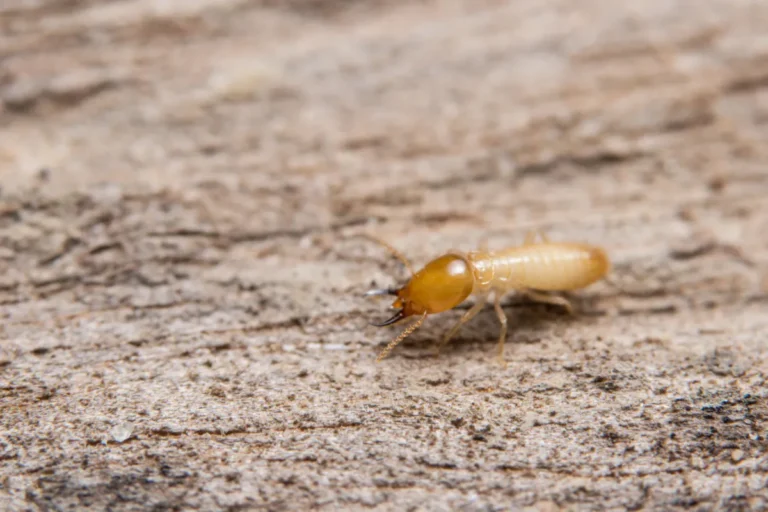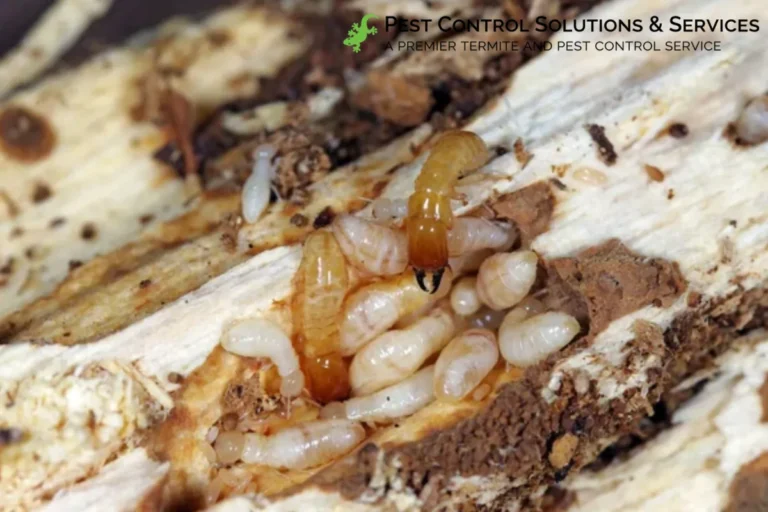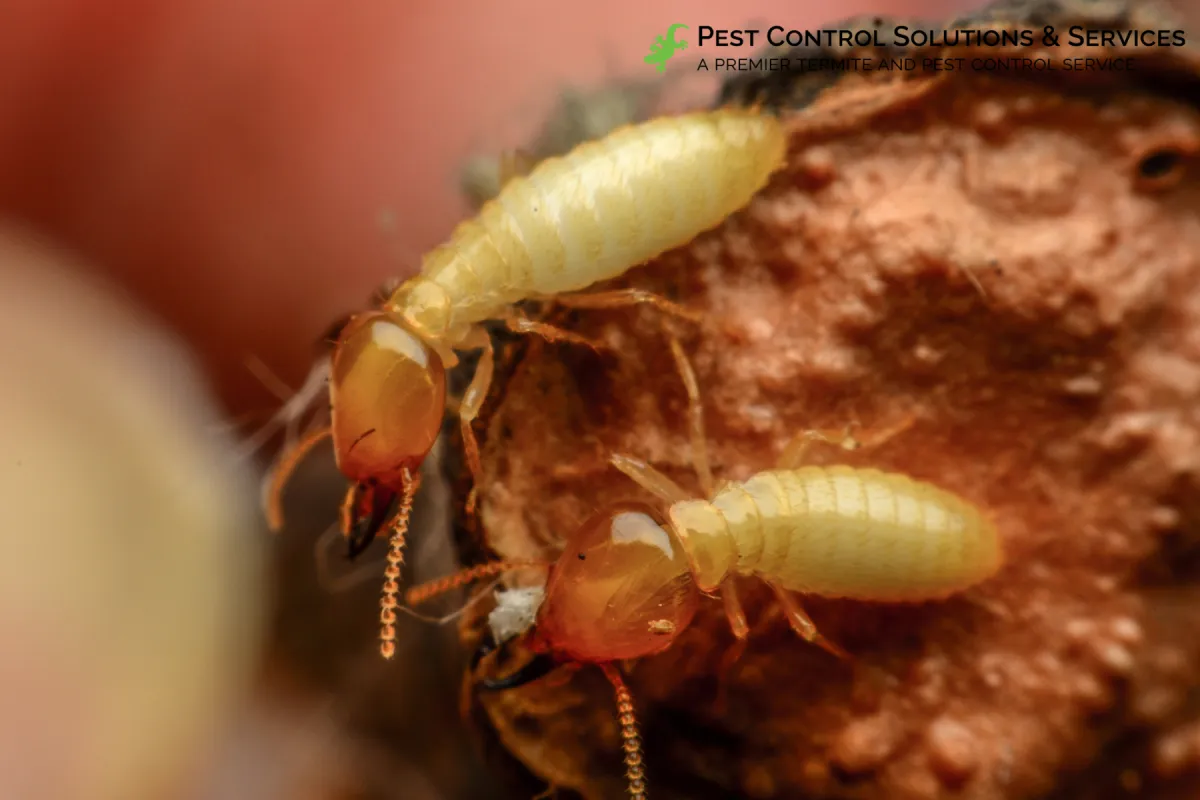
Choosing between a liquid soil barrier and tent fumigation depends entirely on the termite species invading your home. Liquid soil barriers are designed to eliminate subterranean termites by blocking ground-level entry, whereas structural tent fumigation is required for drywood termites to penetrate the hidden wood structures of a home.
Wood-destroying insects compromise structural integrity and trigger thousands of dollars in property damage. When structural wood faces an invasion, selecting an accurate remediation protocol determines whether the building stays secure or suffers long-term damage. Property owners often struggle to choose between a localized perimeter option and a full structural closure. These two industry-standard methods operate on completely different mechanical and biological levels.
Every year, structural assets undergo rapid degradation because owners deploy solutions that fail to match the target pest’s nesting biology. Subterranean and drywood variants represent entirely separate risks. Ground-based protection does nothing to stop insects nested deep inside attic trusses, while an airborne gas remediation will not prevent soil-borne colonies from returning to the foundation. Selecting a targeted termite treatment plan is the single most important step in saving a home or business from continuous structural loss.
Comparing Termite Treatments: Core Differences
To determine the best path forward, homeowners must evaluate how these remediation choices function under real-world conditions. These options are not interchangeable. A continuous perimeter system targets ground-to-structure transition points using specialized, environmentally friendly solutions to insulate foundation footprints. Conversely, a total structural gas treatment handles deep, internal timber infestations by saturating exposed wooden framings. Property owners seeking reliable Land O Lakes pest control should focus on how these options address specific property vulnerabilities.
| Feature | Liquid Soil Barrier | Structural Tent Fumigation |
| Primary Target Species | Subterranean Termites | Drywood Termites (and Wood-Boring Beetles) |
| Application Location | Soil perimeter around the home’s foundation | Entire exterior and interior building structure |
| Residual Protection | Long-lasting defensive shield (typically 5 to 10 years) | None (eliminates active internal colonies instantly) |
| Homeowner Evacuation | Not required (all work occurs on the exterior) | Mandatory clearance required (usually 2 to 3 days) |
| Pre-Treatment Preparation | Minimal (clearing basic foliage from foundation walls) | Extensive (removing food, plants, pets, bagging loose goods) |
Analyzing these parameters prevents property owners from wasting capital on systems that do not resolve the primary threat. While a soil barrier works as an ongoing preventative shield, a structural gas treatment serves as an immediate, total clean slate for the inside of the property.
Step-by-Step Breakdown: When to Choose Each Method
Identifying the correct strategy depends on tracking the physical evidence left by the invading colony. Technicians providing expert pest control in Land O Lakes, FL rely on field indicators to differentiate between soil-dwelling populations and dry-wood populations.
Three Signs You Need a Liquid Soil Barrier
- Presence of Mud Tubes: Subterranean colonies require constant ground moisture to survive. They build pencil-thin mud travel tubes along foundation blocks, concrete slabs, and baseboards to move between soil and structural timber.
- Direct Ground-to-Wood Contact: Wooden siding, porch steps, deck supports, or doorframes that sit directly against exterior soil provide an open pathway for pests. An underground liquid barrier line intercepts these travel lanes completely.
- Low-Level Swarming Activity: Seeing discarded wings or swarming insects concentrated near baseboards, crawl space entry points, or garage floors points directly to a mature subterranean colony living beneath the surface.
Three Signs You Need Structural Tent Fumigation
- Accumulations of Pelleted Frass: Drywood insects do not use soil or construct mud tubes. They spend their life cycles inside dry structural timbers, pushing out tiny, hard, hexagonal fecal pellets through small exit holes, creating sand-like piles on windowsills or floors.
- Infiltration of Inaccessible Timbers: When active colonies settle inside hidden roof trusses, structural ridge beams, or deep within wall voids, topical applications cannot reach them. A gaseous treatment is the only reliable way to ensure complete structural penetration.
- Multi-Floor Structural Signs: If a comprehensive inspection uncovers separate active infestations across multiple levels or distinct wings of a building, localized spot treatments fail. Enclosing the structure ensures that no isolated colony survives.
Debunking the Myth: “Fumigation Keeps Termites Away Permanently”
A common misconception within the property maintenance sector is that a structural tenting process provides long-term immunity against future wood-destroying insect damage. Many owners believe that because a building was completely sealed and cleared of pests, it remains protected for years to come.
The factual operational reality is that structural gas treatments offer zero residual protection. The specialized gas utilized during the tenting process replaces oxygen inside the wood pores to kill active insects on contact. However, once the tenting material is removed and the property is aerated, the gas completely dissipates into the atmosphere, leaving behind no lasting defense. If a new swarm lands on your roof structural tiles the next week, your property is fully vulnerable to a fresh infestation. This is why pairing an immediate eradication strategy with long-term monitoring is vital for real asset protection across our Florida service areas.
Applying our State-of-the-Art Products and Techniques to Solve This
Rather than using generic, one-size-fits-all options, our approach relies on advanced treatment systems designed to solve individual infestation profiles. At Pest Control Solutions & Services, our proprietary methodology combines high-tier products with strategic deployment to ensure complete structural safety and environmental peace of mind.
Termidor H.E. termiticide: A state-of-the-art liquid product applied to the soil perimeter. It creates a highly uniform, protective boundary line that binds tightly with soil particles, ensuring the treatment remains locked in place without washing away.
Exceptional efficiency and fast-acting transfer effect: Our liquid applications take advantage of natural pest behavior. Because the insects cannot detect this product, they travel freely through the treated soil, coat their bodies, and transfer the material throughout the entire underground colony for total population elimination.
Advanced treatment delivery systems: We utilize specialized trenching and precision injection tools to apply treatment straight to critical structural zones. This minimizes landscaping disruption while maximizing safety for your family and household pets.
Professional termite monitoring services: To protect your property long after the initial application, we install and manage underground monitoring stations. This proactive early-warning setup allows our team to detect and manage localized subterranean threats before they ever reach your foundation walls.
By bringing together these sophisticated tools, our team delivers a comprehensive defense suite that addresses active threats while simultaneously establishing a multi-layered preventative shield around your foundation.
People Also Ask
Do I need to discard household food items after a structural tenting process?
No, food items do not need to be thrown away if they are prepped correctly. Items sealed in their original, airtight glass or metal packaging from the manufacturer can stay inside. Any items in cardboard boxes, open containers, or plastic bags must be removed from the property or sealed inside specialized, double-layered protective bags provided by your technician.
Can a liquid soil barrier protect an attic space from drywood infestations?
No, a ground-level barrier only targets subterranean varieties that must travel down to the earth for moisture. Drywood colonies get their moisture directly from the air and the wood they inhabit, meaning they can fly straight onto your roof or upper siding, bypassing ground treatments entirely.
How safe is it to enter a property after the tenting material is removed?
It is completely safe once a licensed technician issues a formal clearance. Safety protocols require using electronic monitoring devices to test the indoor air quality. The property will not be cleared for re-entry until gas concentration levels measure 1 part per million or less, leaving your living space clean, safe, and free of residues.
Conclusion & Next Steps
Selecting the correct termite treatment requires an accurate initial diagnosis. Property owners searching for a dependable exterminator in Land O Lakes, FL, need expert advice to protect their financial investments and family health. During a recent structural audit for a residential property, our team uncovered an active subterranean colony that had bypassed an amateur spot treatment, proving that professional precision matters.
As a local, family-focused company with the advanced scale of a mid-sized enterprise, Pest Control Solutions & Services delivers personalized, reliable care with absolute integrity. We focus on family safety, using green, safe pesticides tailored to your home or business. If you need a thorough inspection from an experienced team that values customer satisfaction, we are ready to assist.
Protect Your Investment Today
Do not let hidden wood damage threaten your peace of mind or property value. Contact us today to schedule an expert inspection and secure your customized property defense plan.