How “In2Care” Stations Use Mosquitoes to Kill Their Own Larvae
In2Care stations use to kill their own larvae through a biological process called auto-dissemination. The station attracts egg-laying female mosquitoes, coating them with a slow-acting

In2Care stations use to kill their own larvae through a biological process called auto-dissemination. The station attracts egg-laying female mosquitoes, coating them with a slow-acting

A structural audit identifies hidden entry points by systematically examining a property’s physical envelope from foundation to roofline. By identifying structural vulnerabilities such as gaps

To identify subterranean termite mud tubes vs. drywood frass, look for dirt-based tunnels on foundations or walls compared to loose piles of sand-like pellets. It

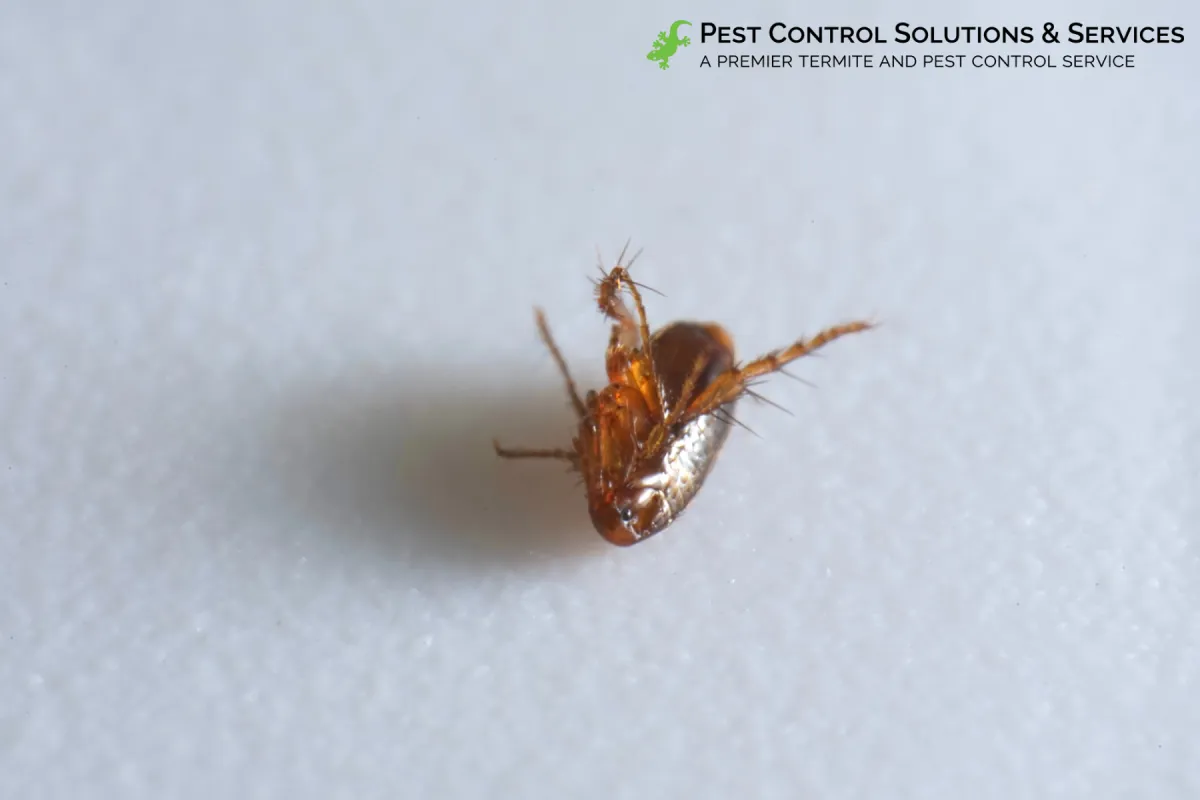
Fleas can persist for weeks after a professional treatment due to the highly resilient pupal stage of their life cycle. Professional insecticide applications eliminate adult

To find hidden cockroach nests, use the flush-and-gap method: apply a pyrethrin-based aerosol into tight crevices (gaps) to force insects out of hiding, then inspect

You must wait at least four hours before returning home after an exterminator sprays to allow the treatment to dry completely and settle onto surfaces.

You can tell a termite treatment worked if you notice a complete lack of new mud tubes, no live swarmers indoors, and the physical drying

Store-bought bug sprays are effective for killing visible pests on contact, but they generally fail to resolve large infestations because they lack the residual strength

To identify the difference between common house spiders and brown recluses, look for a dark, violin-shaped marking on the cephalothorax and a unique eye pattern