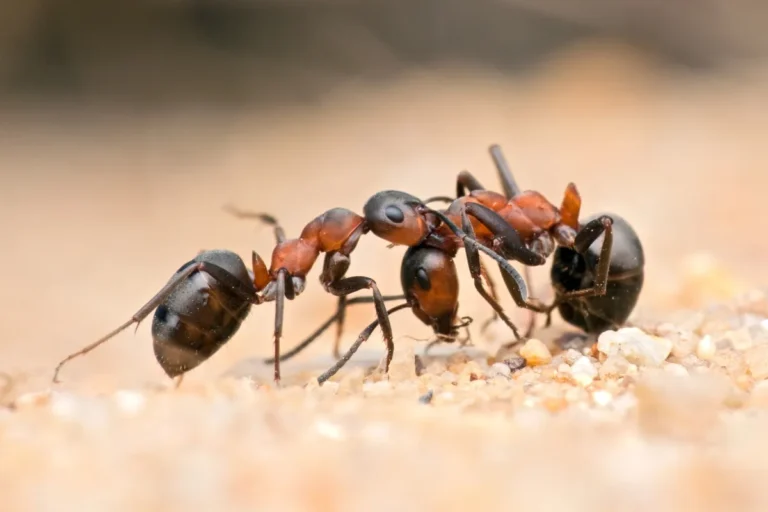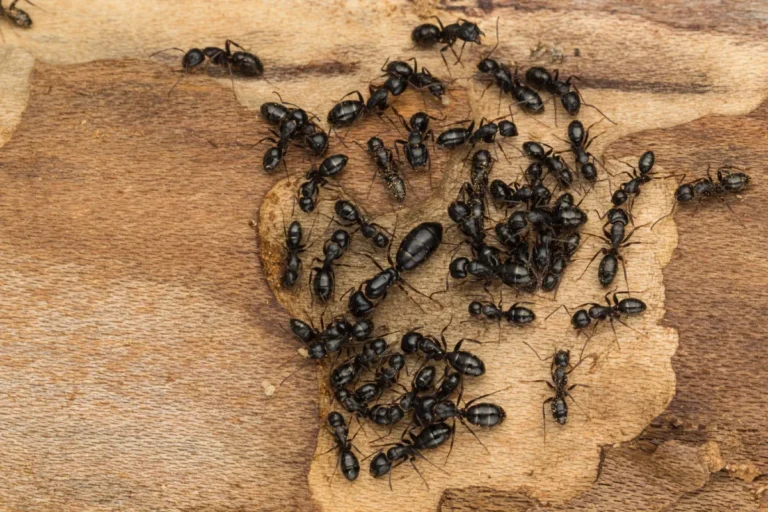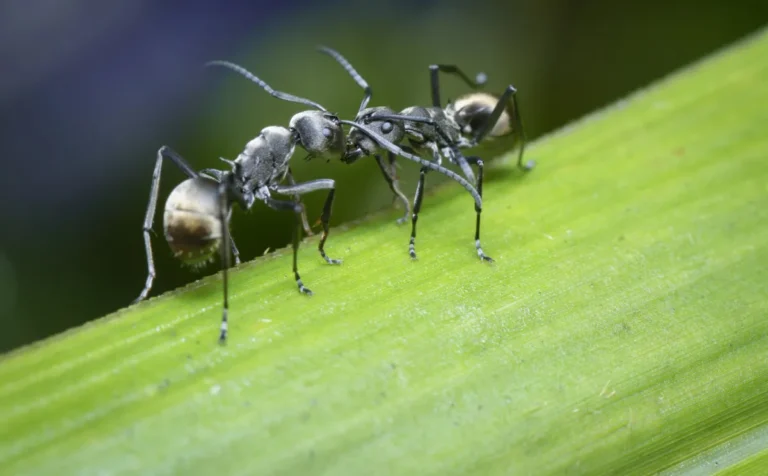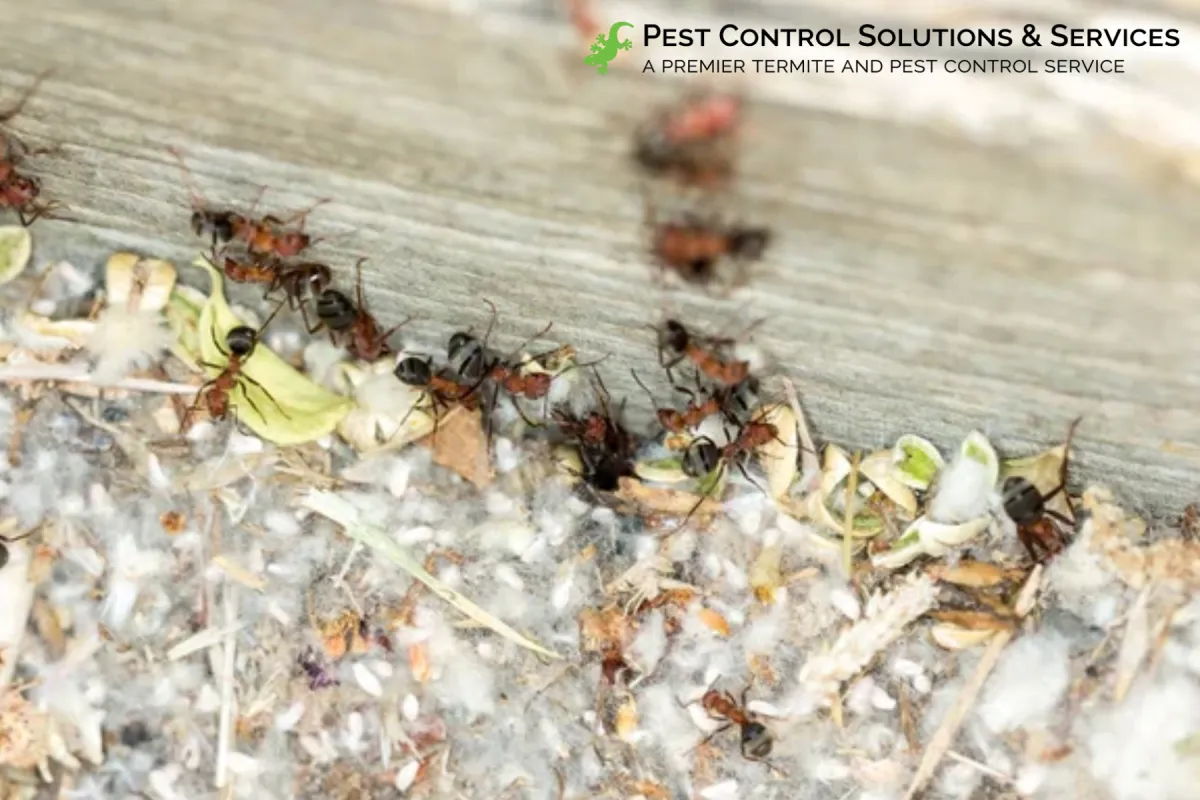
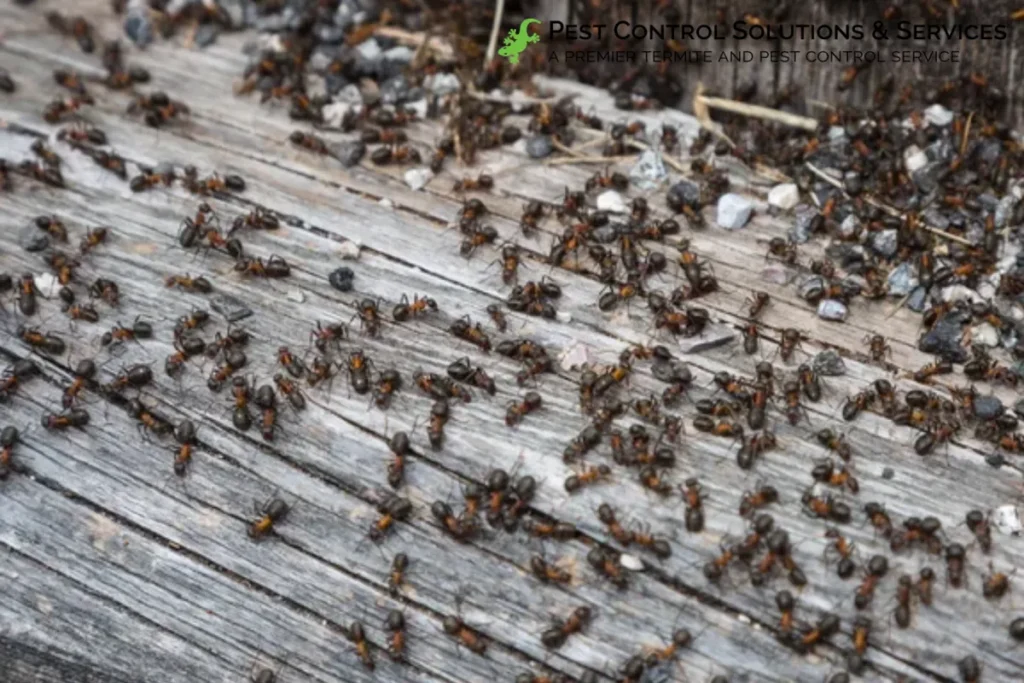
Spotting a trail of ants marching across your kitchen counter or bathroom floor can be frustrating, and your first instinct might be to grab a paper towel or bug spray. However, acting on this impulse can make the problem worse. The ants you see are foragers sent out to gather food for a larger colony hidden outside your home. Instead of killing the ants or wiping away their pheromone trail, use slow-acting liquid bait. This will allow you to track the ants back to their nest and eliminate the colony at its source, providing a long-term solution to the issue. By patiently following their movements, you can address the root cause and ensure your home stays ant-free.
4 Steps to Successfully Track an Ant Trail
Patience is your greatest tool when dealing with trailing insects. Follow these numbered steps to safely and effectively trace worker ants back to their hidden source without alerting the colony to danger, using professional ant control methods to ensure long-lasting results.
- Provide a High-Value Food Source: Ants are driven by the needs of their colony. To get them moving in a clear, visible line, place a few drops of a slow-acting, sweet liquid ant bait directly next to the active trail. Do not place the bait on the ants, as this will startle them; just place it near their path. Wait 30 to 60 minutes for the scouts to discover it and signal the rest of the foragers to swarm the bait.
- Observe the Direction of Traffic: Once the bait is swarmed, you will notice a distinct two-way highway forming. Focus your attention strictly on the ants leaving the bait. Their abdomens will likely be slightly swollen with liquid, and they will walk in a purposeful, organized line away from the food source and back toward the nest.
- Trace the Indoor Path: Slowly and carefully follow the exiting ants along baseboards, under carpets, or across countertops. Take your time. Note exactly where they disappear into the architecture of your home. They might slip under a windowsill, squeeze through a microscopic crack in the caulk around a plumbing pipe, or vanish behind an electrical outlet cover. During a recent service call in the Fox Wood neighborhood, a homeowner was baffled by ants in her living room, only to find they were tracking perfectly beneath a loose piece of quarter-round molding.
- Locate the Exterior Entry Point: Once you know where they exit the interior, go outside and inspect the exterior wall directly opposite that indoor disappearance point. Look closely for trailing ants moving down the foundation, marching along the siding, or disappearing into the soil, mulch beds, or nearby vegetation. This external point is the gateway to their hidden nest.
Identifying Common Ant Trails and Nesting Habits
Different species of ants leave distinct types of trails and prefer entirely different nesting environments. Knowing what kind of ant you are tracking helps you pinpoint the nest much faster and understand the specific threats they pose to your property.
| Ant Species | Trail Behavior | Typical Exterior Nest Location |
| Odorous House Ants | Follow distinct, dense, fast-moving trails along edges and baseboards. Emit a rotten coconut smell if crushed. | Shallow nests under mulch, landscape rocks, or yard debris near the foundation. |
| Carpenter Ants | Forage individually or in loose, sparse trails. Mostly active at night. | Inside decaying tree stumps, damp firewood piles, or wet, compromised structural wood. |
| Pavement Ants | Form thick, relatively slow-moving trails, often pushing up small piles of dirt along their path. | Under driveways, sidewalks, patio stones, or right along the foundation slab. |
| Argentine Ants | Form massive, wide “super-trails” spanning long distances, aggressively seeking food and water. | Deep, expansive nests in moist soil, thick leaf litter, or under concrete slabs. |
Debunking a Common Industry Myth: “Spraying the Trail Solves the Problem”
A widely believed, frustrating, and counterproductive myth is that if you see a line of ants in your kitchen, aggressively spraying them with a household bug spray or wiping them away with bleach will solve the infestation.
The Reality: Spraying visible foragers only kills the tiny fraction of the colony currently looking for food, which is usually less than 10% of the total population. Worse, the harsh chemicals in over-the-counter sprays are strong repellents. When the surviving worker ants fail to return with food, the queen senses danger and enters a state of panic. In many species, this triggers a survival mechanism called “budding,” in which the colony fragments into multiple new colonies, spreading the infestation to new areas of your home.
Wiping away the trail also destroys the invisible pheromone path the ants rely on, forcing the colony to find a new, potentially harder-to-find route into your house. The only way to permanently stop an infestation is to let the ants live long enough to carry specialized bait back to the queen. This scientific reality is exactly why partnering with a professional exterminator in Trinity, FL, is vastly superior to relying on temporary, store-bought sprays.
Applying Our Proprietary Approach to Total Ant Elimination
When dealing with a persistent infestation, you need more than just temporary relief. You need a trusted partner who understands the science of pest behavior. At our company, we pride ourselves on delivering top-tier Trinity pest solutions that combine the personalized care of a local mom-and-pop business with the resources and scale of a mid-sized industry leader.
To permanently eradicate the colony and protect your home, we utilize a comprehensive, multi-step protocol:
- In-Depth Property Evaluations: We never guess. Our process begins with thorough, meticulous property evaluations. We inspect both the interior and exterior of your home, identify the exact species of ant, map their pheromone trails, and find the hidden conditions that draw them to your property. While servicing homes across the Champions Club area, these evaluations routinely uncover hidden moisture issues that attract pests in the first place.
- Individualized Treatment Plans: We do not believe in cookie-cutter pest control. Because every home and every infestation is unique, we design individualized treatment plans. We match our strategy to the specific biology and dietary preferences of the ants invading your space, ensuring maximum effectiveness.
- Advanced Products for Safety and Efficacy: The safety and well-being of your family and pets are our highest priorities. We use top-tier, advanced, eco-friendly products that are meticulously selected for their safety profiles. These include slow-acting, non-repellent treatments that foraging ants unknowingly carry back to the queen, effectively collapsing the colony from the inside out without exposing your living spaces to harsh chemicals.
- Establishing a Solid Barrier: Once the active infestation is eliminated, we focus on prevention. Our highly trained technicians treat the exterior foundation, eaves, and entry points to create a solid barrier around your home. This invisible shield keeps outdoor pests exactly where they belong: outside.
- Year-Round Coverage: Pests in Florida are a 365-day-a-year problem. To ensure your home remains safe and comfortable, we provide year-round coverage. Our ongoing maintenance plans adapt to seasonal pest pressures, guaranteeing that your property stays protected long after the initial treatment.
When you need dependable, effective pest control in Trinity, FL, our tailored approach ensures you get the lasting results and peace of mind you deserve.
People Also Ask
Why do ants suddenly appear in my house?
Ants enter homes seeking food, water, or shelter, often driven indoors by weather changes like flooding or extreme heat. Even small crumbs or a dripping faucet can attract scout ants, who leave a pheromone trail for the colony to follow.
Can I use vinegar to get rid of ant trails?
Vinegar is a temporary deterrent that erases an ant trail but doesn’t kill the colony or queen. Ants will find a new route into your home within a few days.
How long does it take for ant bait to work?
Professional ant baits take 48 to 72 hours to show results, with full colony elimination taking one to two weeks. Patience is key, allowing ants to carry the bait back to the queen.
Do ants cause structural damage?
While nuisance ants like odorous house ants don’t cause damage, Carpenter ants excavate wood, potentially hollowing out structural beams, wall studs, and subflooring.
Protect Your Home with Professional Care
Dealing with an ant infestation can leave you feeling frustrated and overwhelmed, but you don’t have to tackle it alone. As a trusted, customer-centric team, we are committed to delivering effective solutions with absolute integrity. Your safety, satisfaction, and peace of mind are our highest priorities.
At Pest Control Solutions and Services, we understand the fear of property damage and the health risks associated with pests, which is why our technicians undergo rigorous vetting and comprehensive training. We use only the safest, most effective products available, tailored specifically to your home to ensure you never have to deal with the frustration of ineffective, recurring treatments.
Would you like to schedule a property evaluation so we can trace your ant problem to its source and build a customized defense plan for your home? Contact us today to request your free consultation and discover the difference personalized care makes.
LEARN MORE HERE:
Ant Eggs 101: What They Are and Why They Matter
How to Safely Track an Indoor Ant Trail Back to Its Exterior Nest
How Essential Pest Control Services Keep Your Home Safe and Pest-Free