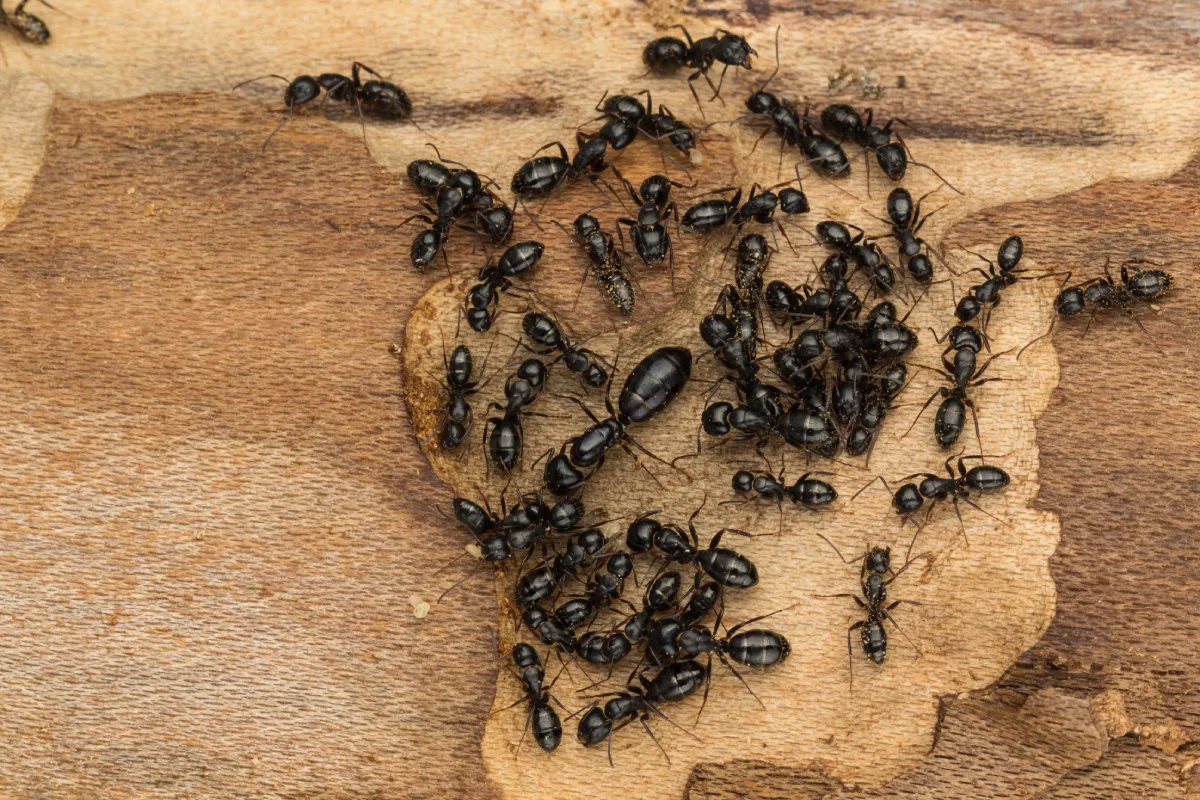
Carpenter ants are one of the most destructive pests that can invade your home. Unlike termites, which feed on wood, carpenter ants tunnel through wood to create nests. These ants can cause significant damage if left unchecked, and the worst part is that they often remain hidden for months or even years. The good news is that there are several preventative measures you can take to keep your home safe from these invasive pests. In this blog post, we’ll explore how to protect your home from carpenter ants all year round.
Understanding Carpenter Ants
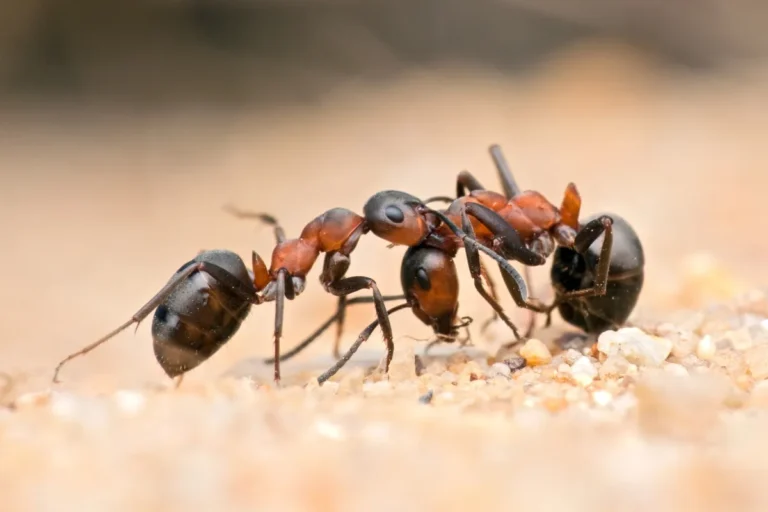
Before diving into prevention methods, it’s essential to understand what carpenter ants are and why they are so destructive. Carpenter ants are large, dark-colored ants that typically nest in moist or decaying wood. Unlike termites, they don’t consume the wood they tunnel through; instead, they remove wood fragments to create their nests, leaving behind piles of sawdust-like debris. Over time, carpenter ants can weaken your home’s structure by creating extensive tunnels and galleries in wooden beams and walls.
Carpenter ants are particularly problematic because they can be challenging to detect in the early stages of an infestation. Often, the first sign of an issue is sawdust or ants inside your home. Once they establish a colony, they can quickly spread throughout your property, causing extensive damage.
How to Get Rid of Carpenter Ants
The first question homeowners ask when they discover carpenter ants is, “How to get rid of carpenter ants?” While a DIY approach can be effective in some cases, a more effective solution often requires professional help. Here are some of the best methods for controlling carpenter ants:
1. Identify and Eliminate the Nest
The most crucial step in eliminating carpenter ants is locating their nest. This can be challenging, as carpenter ants often build nests in concealed areas, such as inside walls or attics. However, by tracking the ants’ movement, you can identify the location of their nest. Once the nest is located, a targeted treatment can be applied to eliminate the colony.
2. Use Carpenter Ant Killer
Once the nest is located, you can apply a carpenter ant killer directly to the infested areas. Many pest control products on the market are specifically designed to target carpenter ants, offering effective and environmentally friendly treatments. These products are typically applied to the nest or areas where ants are frequently seen. It’s essential to use a treatment that’s safe for your family and pets, as some chemical treatments can be harmful.
3. Seal Off Entry Points
Carpenter ants can enter your home through small cracks or gaps around windows, doors, and foundation areas. To keep ants from gaining access to your home, it’s essential to seal off all potential entry points. Check for gaps in caulk around windows, doors, or other entryways and seal them with appropriate weatherstripping or caulk. This can go a long way in preventing carpenter ants from gaining access.
4. Remove Moisture and Repair Wood Damage
Since carpenter ants prefer moist wood, eliminating excess moisture around your home is an important step in preventing infestations. Repair leaky pipes, fix damaged roofs, and remove standing water from around your property. Also, check for areas of decaying wood, as these can attract carpenter ants. Replace any damaged wood with new, dry materials to eliminate potential nesting sites.
Preventing Carpenter Ants Year-Round
Now that we’ve covered how to get rid of carpenter ants, let’s focus on how to protect your home from future infestations. The key to long-term protection is regular maintenance and proactive measures.
1. Regular Pest Control Treatments
One of the best ways to protect your home from carpenter ants is by investing in Hudson pest control services. By scheduling routine inspections and treatments with a professional pest control company, you can ensure that any potential issues are addressed before they become major problems. These professionals can identify vulnerabilities in your home’s structure and provide tailored treatments to prevent pests, including carpenter ants, from invading your space.
Routine treatments may include both interior and exterior applications to create a protective barrier around your home. Regular treatments will also target any nests that might have formed, ensuring that any carpenter ants are eradicated before they can spread.
2. Clean Your Yard
Your yard can be a prime breeding ground for carpenter ants. Keep your outdoor space clean and free of debris, such as fallen leaves, wood piles, and tree stumps. These are all potential nesting sites for carpenter ants, so removing them will make your home less appealing to these pests.
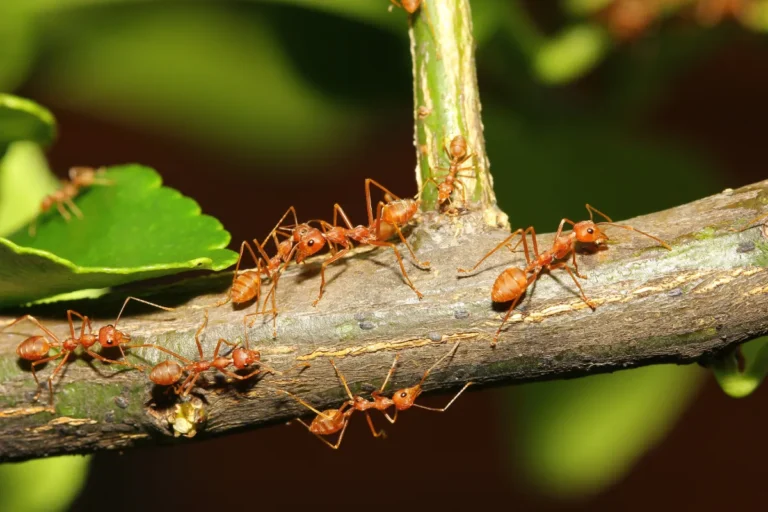
If you have trees or shrubs near your house, be sure to trim them back regularly. Carpenter ants often use tree branches to gain access to your home, so keeping them pruned will help reduce the risk of an infestation.
3. Inspections and Monitoring
Regular inspections are crucial for detecting carpenter ant activity before it becomes a full-blown infestation. Look for signs of carpenter ants, including sawdust piles near wooden structures and the ants themselves. You may also notice winged ants during mating season, which can indicate a nest is nearby.
Professional pest control companies will often offer regular monitoring as part of their pest control services in Hudson, FL . This ongoing treatment can help detect any ant activity early, ensuring that you can take action before an infestation spreads.
4. Ongoing Education and Maintenance
Staying informed about how to protect your home from carpenter ants is critical. Keep up with the latest pest control techniques and best practices. Talk to your pest control professional about new products and strategies that can help keep your home safe from these destructive pests. Ongoing education and maintenance are key to staying ahead of potential infestations.
Frequently Asked Questions
How do I know if I have carpenter ants?
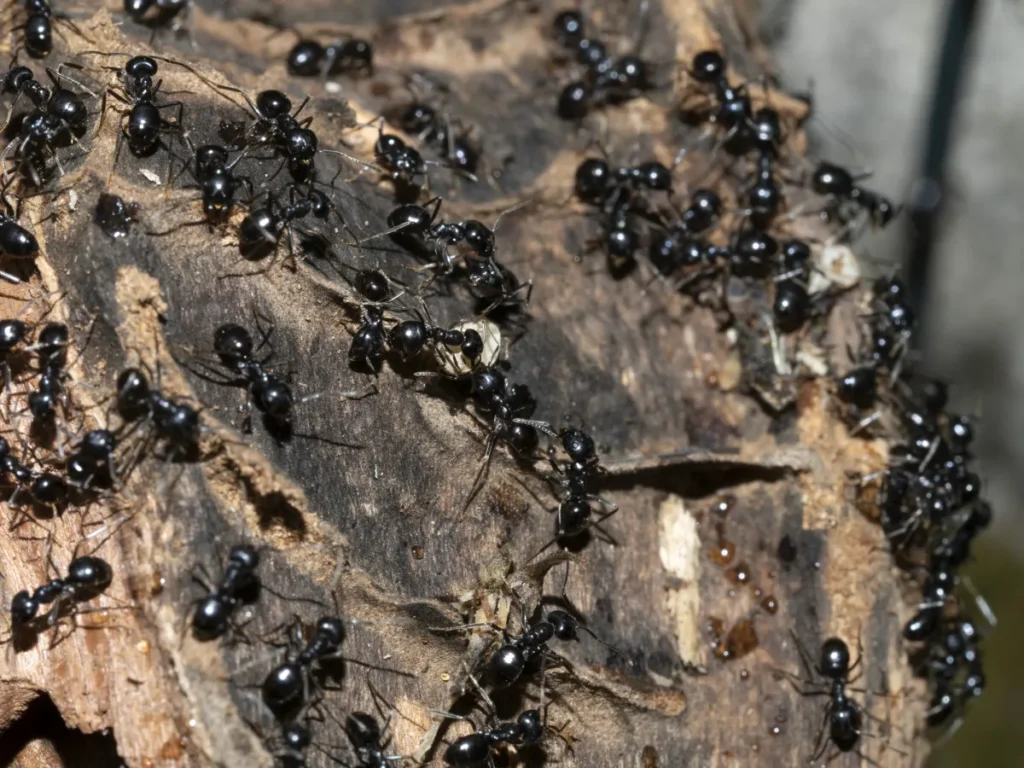
You may have carpenter ants if you see large black or dark brown ants, small piles of sawdust-like debris, rustling sounds in walls, or damaged damp wood around your home.
What attracts carpenter ants to a home?
Carpenter ants are often attracted to moisture, decaying wood, roof leaks, plumbing leaks, tree branches touching the home, and outdoor wood piles near the structure.
Can I get rid of carpenter ants on my own?
Small issues may be reduced with cleaning, sealing gaps, and removing moisture, but established colonies often need professional treatment. A pest professional can locate the nest and apply the right solution.
About Pest Control Solutions & Services
At Pest Control Solutions & Services, we are committed to providing personalized, effective pest control solutions for homes and businesses in Florida. We understand the challenges posed by pests like carpenter ants, and we’re here to help you protect your home year-round. Our team of trained technicians uses the safest, most effective products available to eliminate pests while keeping your family and pets safe.
We offer a range of customized control service plans, ensuring that every treatment is tailored to your specific needs. Whether you need routine services or have a particular concern like carpenter ants, our Hudson pest exterminator team has you covered. Our goal is to ensure that your property remains pest-free and protected.
Protect Your Home From Carpenter Ants
Do not wait for carpenter ants to cause more damage inside your walls or wooden structures. We can inspect your home, identify activity, and create a customized treatment plan for long-term protection. Contact us today to schedule your inspection.
Other related blogs:
Ant Eggs 101: What They Are and Why They Matter
How to Safely Track an Indoor Ant Trail Back to Its Exterior Nest
How Essential Pest Control Services Keep Your Home Safe and Pest-Free