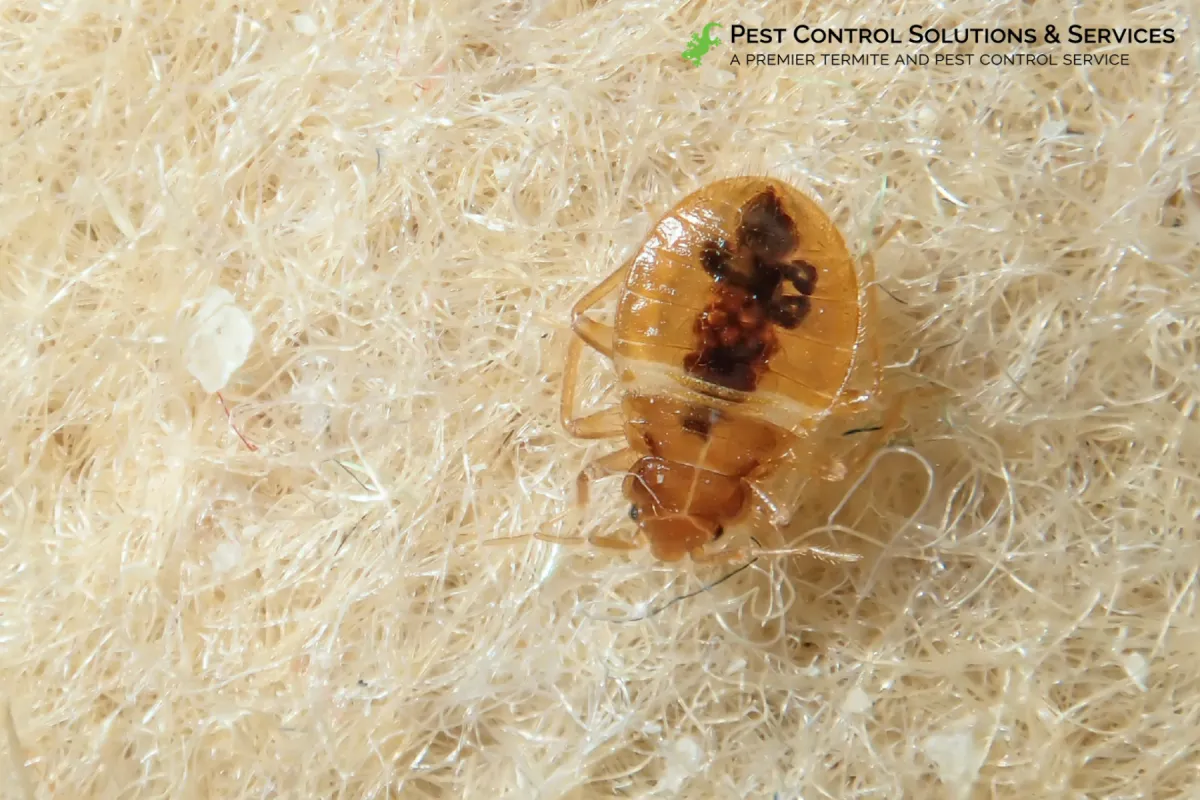
A follow-up inspection after professional bed bug treatment helps determine whether the infestation is under control and whether additional attention is needed. Technicians revisit treated areas to check for live bed bugs, assess the results, and recommend the next steps based on their findings.
Bed bugs can hide in mattress seams, furniture joints, bed frames, and small cracks. Even when you stop seeing live insects after treatment, that does not always mean the infestation is gone. A follow-up inspection gives technicians another opportunity to check affected areas and identify signs that may need attention.
For homeowners and business owners in Ruskin, understanding what happens after treatment can make the process less stressful. Knowing what technicians look for and how to prepare for their visit also helps you follow the treatment instructions correctly.
What Is a Follow-Up Inspection After Bed Bug Treatment?
A follow-up inspection is an additional assessment performed after the initial bed bug treatment. Its purpose is to check the treated areas for signs of continued activity and determine whether further attention is necessary.
During the initial inspection, technicians identify possible hiding places and assess the extent of the infestation. During the follow-up, they revisit affected areas to evaluate the treatment results.
Technicians may look for:
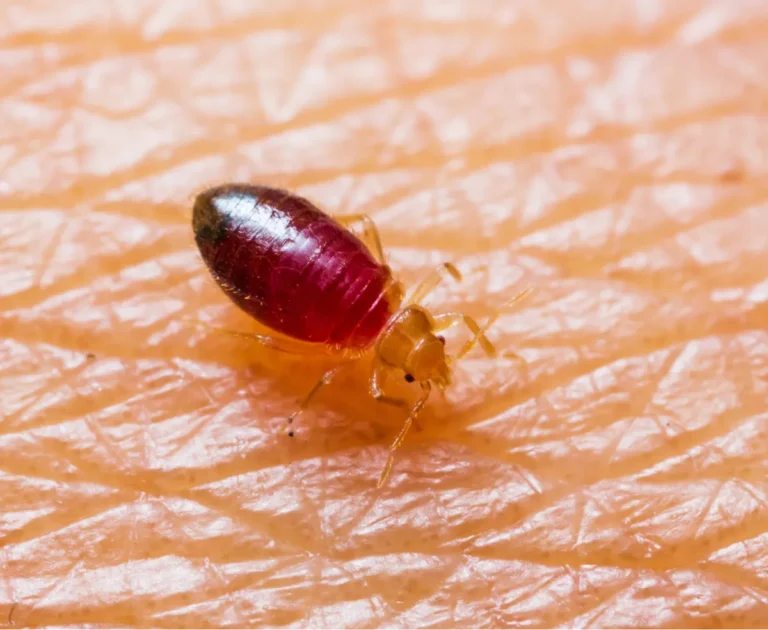
- Live bed bugs: Active insects that may indicate continued activity.
- Bed bug eggs: Small, pale eggs that can be difficult to notice.
- Shed skins: Outer shells left behind as bed bugs grow.
- Dark spots: Possible fecal marks near hiding places.
- Blood stains: Small stains that may appear on bedding or nearby surfaces.
Finding one of these signs does not automatically mean the treatment failed. Technicians consider the type of evidence, where it appears, and how much time has passed since treatment before recommending the next step.
Initial Inspection vs. Follow-Up Inspection
| Initial Inspection | Follow-Up Inspection |
| Looks for signs of an infestation | Checks for signs of continued activity |
| Identifies possible hiding places | Revisits previously affected areas |
| Helps determine the treatment approach | Evaluates the treatment results |
| Establishes which areas need attention | Helps determine whether further steps are needed |
5 Reasons Follow-Up Inspections Are Important
A follow-up inspection helps property owners understand whether treatment is progressing as expected. It also gives technicians another opportunity to assess areas where bed bugs may remain hidden.
1. Confirm Whether the Treatment Is Working
One of the main reasons for a follow-up inspection is to evaluate the treatment results. Technicians revisit areas where bed bugs were previously found and look for changes in activity.
For example, you may no longer see insects around your mattress or headboard after treatment. While this is encouraging, it does not confirm that every bed bug has been eliminated. Other hiding places may still need to be checked.
A technician can review the available evidence and explain whether the treatment appears to be working as expected. This gives you a clearer assessment than relying only on visible sightings.
2. Identify Remaining Bed Bug Activity
Bed bugs hide in narrow spaces that are easy to overlook. They may stay inside mattress seams, bed frames, furniture joints, baseboards, and small cracks.
Even after treatment, these areas may need another inspection. Technicians look for signs that may have been missed during the initial visit or that remain noticeable as the treatment process continues.
This is especially important when an infestation affects several rooms or pieces of furniture. Checking beyond the original sleeping area can help identify whether other parts of the property need attention.
3. Determine Whether Additional Treatment Is Necessary
Not every infestation responds in the same way. The size of the infestation, condition of the property, treatment method, and preparation completed before service can all affect the results.
If a technician finds evidence of continued activity, they can assess whether another treatment or a different approach may be appropriate.
For example, activity in several furniture pieces may require attention beyond the original treatment area. Rather than automatically repeating the same process, a professional can use the inspection findings to recommend suitable next steps.
4. Reduce the Risk of Continued Infestation
Bed bugs can spread when infested belongings, furniture, or other items are moved from one area to another. Moving these items without proper care may introduce the insects into rooms that were not previously affected.
A follow-up inspection gives technicians another opportunity to check affected areas and discuss possible concerns. They can also remind property owners about practical prevention steps, such as keeping potentially infested belongings separate and following instructions for handling clothing and bedding.
When comparing pest control in Ruskin, FL, ask what preparation and follow-up instructions are included. Knowing what to expect after treatment can help you avoid actions that interfere with the process.
5. Give Homeowners More Confidence in the Results
Dealing with bed bugs can be stressful. You may worry about sleeping in your bedroom, protecting your belongings, or keeping your family and pets comfortable.
A professional follow-up inspection gives you a clearer way to assess progress. Instead of guessing whether the treatment worked, you can receive feedback based on the technician’s findings.
It also allows you to ask questions, report new sightings, and understand whether additional steps are recommended.
What Do Professionals Check During a Follow-Up Inspection?
During a follow-up visit, technicians focus on areas where bed bugs are likely to hide. The exact inspection process depends on the property, the extent of the infestation, and the treatment that was performed.
Common inspection areas include:
| Inspection Area | What Technicians Look For |
| Mattresses and box springs | Live bed bugs, eggs, shed skins, and dark spots |
| Bed frames and headboards | Activity around joints, gaps, and narrow spaces |
| Upholstered furniture | Signs along seams and hidden sections |
| Baseboards and wall cracks | Possible hiding places and signs of activity |
| Nearby furniture | Evidence that bed bugs may have moved beyond the original area |
Technicians may also ask whether you have noticed new sightings or changes since treatment. Your observations can help them understand what has happened between visits.
Bites alone cannot confirm whether bed bugs are still present. Some people do not develop visible reactions, while others may continue to notice marks after the insects are no longer active. A proper inspection considers several signs rather than relying on bites alone.
When Should a Follow-Up Inspection Be Scheduled?
The right time for a follow-up inspection depends on the treatment method and the instructions provided by the pest control professional. Different treatment approaches have different application requirements and monitoring periods.
For this reason, follow the schedule recommended by your technician instead of arranging a visit based on a general timeline.
Example: The Seven-Day Follow-Up Inspection
Pest Control Solutions & Services includes a follow-up visual inspection within seven days as part of its specialized Partial Structure Treatment. During this visit, the technician checks the treated areas for signs of live bed bug activity.
It is also possible to see dead bed bugs during or after the inspection. Their presence does not automatically mean that live activity remains, so the technician should assess the overall findings.
The seven-day schedule applies to this specific service. It should not be treated as a universal timeline for every bed bug treatment.
What Should You Do Between Treatment and the Follow-Up Visit?
Following the technician’s instructions helps prevent unnecessary disruption to the treatment process.
- Follow the preparation and post-treatment instructions. Use the guidance provided for your specific service.
- Avoid disturbing treated areas. Do not clean or move items from these areas unless instructed.
- Do not apply additional products. Contact your provider before attempting any self-treatment.
- Keep potentially infested belongings separate. Avoid moving items into rooms that were not affected.
- Report new sightings. Tell your provider if you notice live bed bugs after treatment.
- Prepare questions for the technician. Share any concerns or changes you have noticed since the initial visit.
If you are unsure whether a cleaning task or other activity is allowed, contact your technician before doing it.
What Happens If Bed Bugs Are Still Found During a Follow-Up Inspection?
Finding signs of activity during a follow-up inspection does not automatically mean the entire treatment failed. The technician needs to consider the type of evidence, where it was found, and how much time has passed since the initial service.
The inspection findings help determine whether additional treatment or other steps may be appropriate.
Possible Next Steps After the Inspection
- Review the findings. The technician explains what signs of activity were found.
- Identify affected areas. They determine whether the evidence is limited to the original treatment area or appears elsewhere.
- Assess the treatment results. The technician considers the timing and method of the initial service.
- Discuss further attention if needed. Additional treatment may be considered based on the findings and applicable service terms.
- Provide updated instructions. You receive guidance on preparation, prevention, or any recommended next steps.
The goal is to make decisions based on the actual condition of the property rather than assuming every sighting requires the same response.
Common Bed Bug Treatment Myth: No More Bites Means the Infestation Is Gone
One common misconception is that bed bugs have been eliminated as soon as people stop noticing bites. Unfortunately, this is not a reliable way to confirm treatment success.
There are several reasons why:
- Some people have little or no visible reaction to bed bug bites.
- Bed bugs can remain hidden in furniture, cracks, and other small spaces.
- Bite marks may remain visible for some time after the initial exposure.
- A lack of new bites does not prove that every bed bug has been eliminated.
For these reasons, do not use bite marks as the only way to judge treatment results. The same applies to not seeing live insects. Reduced activity is encouraging, but it does not replace a professional assessment.
Applying Our Tailored Bed Bug Treatment Approach to Solve This
At Pest Control Solutions & Services, we understand that every bed bug problem is different. Our approach focuses on the affected areas, the extent of the infestation, and the specific needs of your property. We combine careful product selection, customized treatment methods, and follow-up inspections to help customers understand what is happening at each stage of service.
Green and Safe Pesticides and Carefully Selected Products
We use green and safe pesticides where appropriate, selecting products based on the affected areas and the needs of the property. Our technicians apply treatment according to product directions and explain any preparation or post-treatment instructions customers need to follow.
The goal is to address bed bug activity while considering the well-being of household members, pets, and the surrounding environment. Product selection is part of a broader treatment plan, not a promise that every product or application is completely risk-free.
Specialized Partial Structure Treatment
Not every bed bug problem requires treatment throughout an entire property. When the inspection shows that activity is limited to certain areas, our specialized Partial Structure Treatment may be an option.
This service focuses on affected parts of the property rather than automatically treating every room. The technician assesses the situation and explains which areas require attention.
Preparation is an important part of this service. Our instructions include:
- Placing clothing from closets into labeled totes or plastic bags for organization.
- Washing and drying packed clothing using high heat.
- Keeping cleaned clothing in clean totes or bags instead of returning it to its original storage area.
- Packing personal or private belongings separately and placing them in designated areas, such as the bathroom or kitchen.
For safety, customers should also follow the technician’s instructions for securing firearms and other personal belongings before treatment.
Homeowners should plan to leave the home for approximately two to four hours during this service. The technician will assess the property on arrival and provide a more accurate estimate of the time needed before treatment begins.
Most Advanced Bed Bug Treatments
Effective bed bug management requires attention to more than the insects that are easy to see. Bed bugs can hide in furniture joints, mattress seams, and narrow openings, so the treatment approach must account for these hiding places.
Our certified and trained technicians use the inspection findings to determine which treatment methods are appropriate for the property. This customized approach helps ensure that attention is directed toward the affected areas instead of relying on the same treatment plan for every customer.
Effective and Environmentally Friendly Products
Product selection is another important part of our service. We aim to use effective and environmentally friendly products responsibly, considering the needs of the property and the people and pets who live there.
Our approach includes:
- Green and safe pesticides: Selected and applied with attention to product directions and appropriate use.
- Advanced treatment methods: Chosen based on the infestation and affected areas.
- Environmentally friendly products: Considered as part of responsible pest management.
- Personalized service: Recommendations are based on the property’s condition rather than a one-size-fits-all plan.
No treatment should be described as completely risk-free or guaranteed to eliminate every bed bug after one visit. Proper preparation, application, and following the technician’s instructions all play a role in managing an infestation.
Why Our Seven-Day Follow-Up Inspection Matters
Our Partial Structure Treatment includes a follow-up visual inspection within seven days. During this visit, technicians return to the treated areas and check for signs of live bed bug activity. Seeing dead bed bugs during or after the inspection can also be part of the process.
It is important to avoid self-treating or disturbing the treated areas during the seven-day processing period. According to the service terms, if self-treatment or treatment disturbances are detected, no further treatments will be applied.
Customers should also understand that Partial Structure Treatment is a one-time service without a warranty. Our team can explain the service terms, preparation requirements, and follow-up expectations before treatment begins.
If you are comparing Ruskin, FL pest control options, ask providers about their inspection process, treatment preparation, and what happens if bed bug activity continues after service.
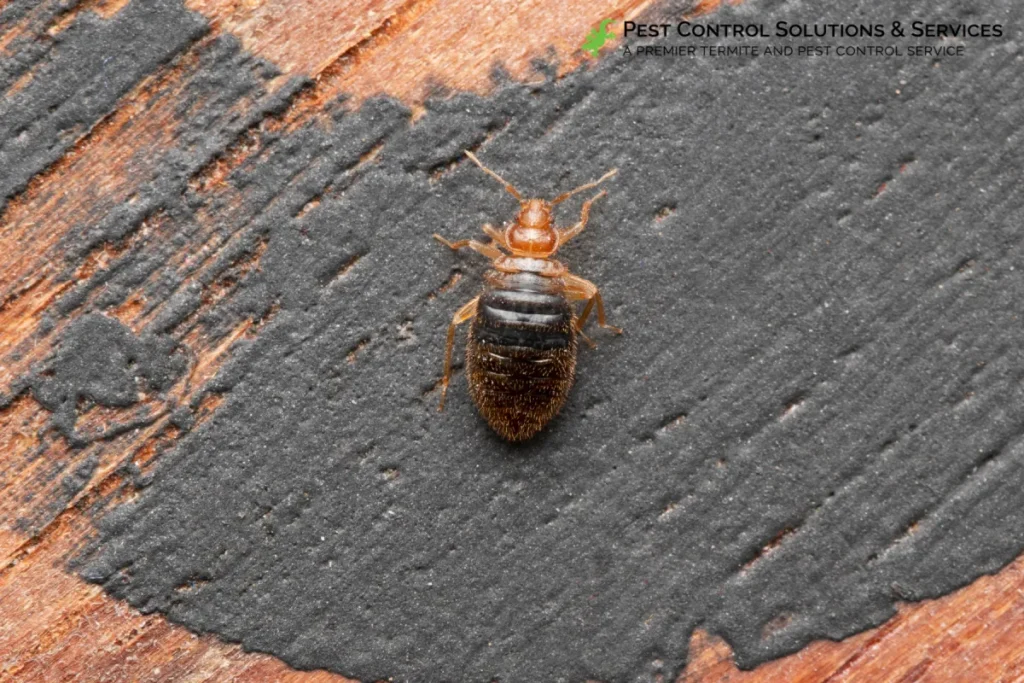
People Also Ask About Follow-Up Bed Bug Inspections
Is a Follow-Up Inspection Necessary After Bed Bug Treatment?
Yes. A follow-up inspection helps professionals evaluate treatment results, check for remaining bed bug activity, and determine whether additional attention is needed. Follow the schedule recommended by your pest control provider.
How Long Should You Wait for a Follow-Up Bed Bug Inspection?
The recommended waiting period depends on the treatment method and the technician’s instructions. Pest Control Solutions & Services includes a follow-up visual inspection within seven days with its Partial Structure Treatment.
Can Bed Bugs Still Appear After Professional Treatment?
Yes. Some activity may still be noticed after treatment, depending on the method used and the condition of the infestation. Report new sightings to your pest control provider so the technician can assess the situation.
Does Seeing One Bed Bug After Treatment Mean the Treatment Failed?
Not necessarily. One sighting should be taken seriously, but it does not automatically prove that treatment failed. A professional should evaluate the sighting, its location, timing, and other signs before recommending the next step.
Should I Clean My Room Before a Follow-Up Inspection?
Follow the cleaning and preparation instructions provided by your technician. Avoid cleaning or disturbing treated areas unless you have been told it is appropriate.
Can I Apply My Own Bed Bug Treatment Between Visits?
It is best to consult your pest control provider before applying additional products. Self-treatment may interfere with the existing service and, under the Partial Structure Treatment terms, may affect whether further treatment can be provided.
Schedule Professional Bed Bug Control With Pest Control Solutions & Services
A follow-up inspection helps determine whether professional bed bug treatment is working as expected. It gives technicians an opportunity to check treated areas, identify signs of continued activity, and explain whether further attention may be needed.
At Pest Control Solutions & Services, we put customer care first. Our trained team provides personalized inspections and treatment recommendations, using carefully selected products and methods with attention to your home, family, and pets.
If you need an exterminator in Ruskin, FL, contact our team to discuss your concerns and request a free estimate. We can explain the available treatment options, preparation requirements, and follow-up process so you know what to expect.
Call us today to request a free consultation or schedule an inspection.