

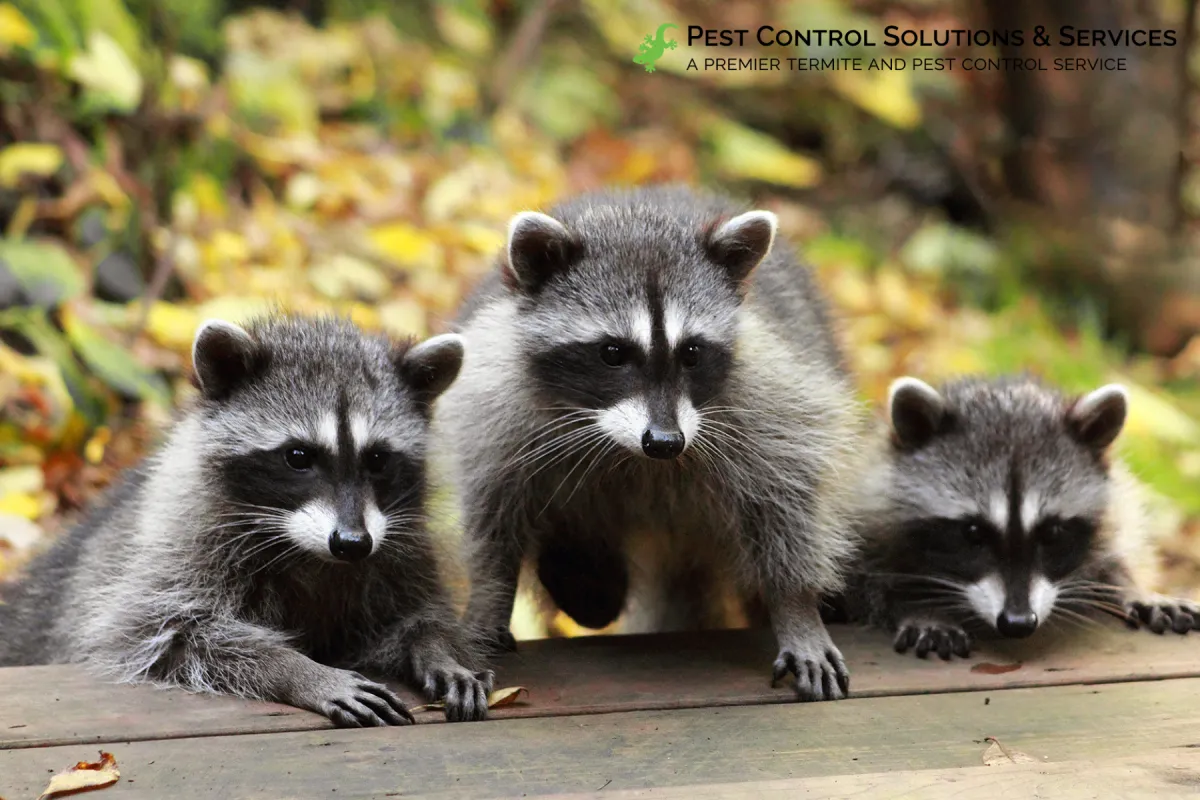
Professional raccoon exclusion helps prevent raccoons from reentering a home by identifying access points, securing openings, and repairing damaged areas. After removal, technicians inspect the property and recommend repairs based on the home’s condition. This approach addresses the openings that allowed the animal inside instead of focusing only on the immediate removal.
Why Can Raccoons Return After Removal?
Removing a raccoon does not automatically protect a home from future wildlife activity. If the original entry point remains open, another raccoon may use it to get inside. Damaged soffits, loose attic vents, gaps around pipes, and openings near roof edges can all provide access.
Raccoons often seek shelter in quiet areas such as attics, crawl spaces, and garages. Once inside, they may damage insulation, roofing materials, and other parts of the structure. Their activity can also leave waste behind and create noise that disrupts daily life.
For homeowners seeking pest control in Dunedin, it is important to understand the difference between removing an animal and securing the property. Removal addresses the immediate problem, while exclusion focuses on the openings and weak areas that could allow another animal to enter.
How Does Professional Raccoon Exclusion Work?
Professional exclusion starts with an inspection. Exterminators in Dunedin look for signs of raccoon activity, identify possible entry points, and determine which areas need attention. The recommended steps depend on the home’s layout, the damage found, and whether any animals may still be inside.
Step 1: Inspect the Property for Entry Points
Technicians check areas where raccoons may enter, including roof edges, soffits, fascia boards, attic vents, chimneys, and openings around utility lines. Crawl-space access points and damaged exterior materials may also need attention.
Signs of activity can include loose vent covers, damaged wood, disturbed insulation, droppings, and marks near openings. These clues help guide the inspection, but they should be assessed carefully rather than treated as proof that every damaged area was used by a raccoon.
A thorough inspection also looks beyond the most obvious opening. Even if one entry point is found, other weak areas may still allow wildlife to get inside.
Step 2: Check Whether Raccoons Are Still Inside
Before sealing an opening, technicians need to consider whether raccoons remain inside the structure. This is especially important when an attic or enclosed space may be serving as a den.
The inspection may involve looking for fresh signs of activity and assessing whether young animals could be present. Closing an opening too early can trap animals inside, creating additional problems for both the animals and the homeowner.
If raccoons are still present, the appropriate removal steps should be addressed before permanent repairs begin. The technician should explain the options and why a particular approach is suitable for the property.
Step 3: Repair and Secure Vulnerable Areas
After the animal’s status has been addressed, technicians can recommend repairs for the identified entry points. Depending on the damage, this may involve securing attic vents, repairing soffits, closing gaps around utility lines, or reinforcing vulnerable sections of the exterior.
The repair materials must suit the opening and the home’s construction. For example, attic vents need to allow proper airflow while preventing wildlife from entering. Gaps around pipes or cables may require a different repair method from a damaged roof edge.
The goal is to secure the opening without interfering with the home’s normal functions. Covering a hole without addressing the surrounding damage may leave another route for raccoons to use.
Step 4: Review the Repairs and Remaining Risks
Once the work is complete, the repaired areas should be checked to confirm that the identified openings have been addressed. Technicians can also review other vulnerable spots and explain whether any additional work may be needed.
Homeowners should understand which areas were repaired, what concerns remain, and what signs to monitor after the service. If new damage or wildlife activity appears later, another inspection may help identify the cause.
Professional exclusion can reduce the risk of repeat entry, but it cannot guarantee that wildlife will never approach the property or find a new opening.
Which Areas of a Home Need Raccoon Exclusion?
Raccoons can enter through several parts of a building. The areas that need attention depend on the home’s design, the condition of its exterior, and the signs found during inspection.
| Potential entry point | What technicians check | Possible repair |
| Roof edges and soffits | Gaps, loose panels, or damaged wood | Repair damaged sections and close access gaps |
| Attic vents | Broken or loose covers | Secure or replace covers with suitable protective materials |
| Chimneys | Damaged or missing protective components | Add suitable protection where appropriate |
| Utility openings | Gaps around pipes and cables | Seal openings with compatible materials |
| Crawl spaces | Damaged panels or open gaps | Repair and secure vulnerable areas |
| Garage and exterior doors | Gaps or damaged fittings | Repair affected areas and improve the fit |
Not every property needs all these repairs. A technician should recommend work based on the openings and damage found during the inspection.
Trees and nearby structures may also give raccoons easier access to a roof. Managing overhanging branches where appropriate can help, but it does not replace repairing an open vent or damaged section of the home.
Professional Exclusion vs. DIY Raccoon Prevention
Homeowners can take steps to make their properties less inviting to raccoons. However, repairs involving roofs, attics, or structural damage may require professional help.
What Can Homeowners Do?
These simple steps can help reduce common risks:
- Secure garbage. Use sturdy containers with tightly fitting lids and avoid leaving food waste exposed.
- Remove accessible food. Keep pet food indoors when possible and manage fallen fruit around the yard.
- Check visible exterior areas. From a safe location, look for loose panels, damaged vents, and gaps.
- Maintain the yard. Where appropriate, manage branches that provide easy access to the roof.
- Watch for new activity. Fresh damage, unusual attic noises, or signs near repaired openings may warrant another inspection.
Do not approach or attempt to handle a raccoon. Avoid climbing onto a roof without the right equipment and experience. If an animal may still be inside, do not seal the suspected entry point before the situation has been assessed.
When Is Professional Exclusion the Better Option?
Professional help may be useful when the entry point is difficult to reach, the damage involves roofing or other structural materials, or the source of the animal’s entry is unclear. If you’re looking for pest control in Dunedin, FL, consider professional assistance if raccoons return after earlier repairs.
| Factor | DIY prevention | Professional exclusion |
| Inspection | Focuses on areas the homeowner can safely see | Provides a more systematic assessment of suspected entry points |
| Repairs | May address simple, visible gaps | Matches repair methods to the opening and building materials |
| Animal activity | Can be difficult to assess | Can be considered as part of the removal process |
| Difficult access | May require outside help | Allows suitable repair options to be assessed |
| Prevention advice | Usually focuses on basic maintenance | Can include recommendations based on inspection findings |
DIY maintenance can help prevent problems, but it may not be enough when an animal is inside the home or the entry point is hard to find.
Applying Our Safe and Humane Solutions to Raccoon Exclusion
At Pest Control Solutions & Services, raccoon management focuses on the animal, the property, and the conditions that allowed the problem to occur. Our approach combines humane removal, careful product selection, trained technicians, and recommendations based on the needs of each home or business.
Prioritizing Humane Removal and Rehabilitation
Our raccoon services prioritize humane removal and rehabilitation. Rather than treating removal as the only goal, the process considers how to handle the animal responsibly and reduce the chance of another intrusion.
The reference for our service explains that our approach includes relocation and responsible re-release after a necessary quarantine period. The appropriate process depends on the situation and applicable requirements. Our technicians assess the property and explain the available options rather than assuming every case can be handled in exactly the same way.
For a property in Dunedin, this means considering where the raccoon entered, whether any animals remain inside, and which openings need to be secured. Addressing these details helps prevent repairs from creating a new problem, such as trapping an animal inside.
Selecting the Safest and Most Effective Products
Our approach emphasizes the careful selection of products for pest management and prevention. Product choices should reflect the problem being addressed, the property’s conditions, and the need to protect people, pets, and the surrounding environment.
Raccoon exclusion often relies on physical repairs, such as securing vents, closing gaps, and reinforcing damaged areas. These measures address the access points directly. Any additional products used should serve a clear purpose and be selected with care.
Homeowners should receive clear information about recommended work, the purpose of any products used, and any safety steps they need to follow. No product should be described as completely risk-free, and products alone cannot replace repairs to an accessible opening.
Following a Thorough Vetting and Training Process
Our thorough vetting process helps support the quality and reliability of our service. Pest Control Solutions & Services states that technicians undergo background checks and extensive training, including online learning and hands-on field training.
Ongoing training helps technicians stay informed about current products and techniques. The company also emphasizes regular training, equipment maintenance, punctuality, and clear communication with customers.
For homeowners, this means receiving an explanation of the inspection findings and the recommended next steps. Technicians should identify the areas that need attention, explain why repairs are being recommended, and answer questions about the service. The plan should reflect the property rather than rely on a generic solution.
Myth vs. Fact: Removing a Raccoon Is Enough to Keep It Away
Myth: Once a raccoon has been removed, the home is protected from future entry.
Fact: Removal addresses the immediate animal problem, but it does not automatically close the opening the raccoon used. If a damaged vent, gap, or weak section of the exterior remains accessible, another raccoon may be able to enter.
The better approach is to inspect the property, address the animal’s status, and repair the vulnerable areas found during the inspection. Regular maintenance can also help homeowners notice new damage before it becomes another access point.
Exclusion reduces known entry risks, but it is not a guarantee against all future wildlife activity. A new opening or fresh damage may still need attention.
How Can Homeowners Help Prevent Raccoons From Returning?
After exclusion work, homeowners can help protect their property by keeping food waste secured, maintaining exterior materials, and watching for new signs of wildlife activity.
- Secure garbage and food waste in containers with tight-fitting lids.
- Repair visible damage to vents, soffits, and other exterior openings.
- Review roof access and manage overhanging branches where appropriate.
- Monitor repaired areas for fresh damage or signs of activity.
- Request another assessment if raccoons return or new entry points are suspected.
These steps support professional exclusion, but they do not replace repairs or a proper inspection when an animal may still be inside.
People Also Ask: Professional Raccoon Exclusion
Does raccoon removal prevent raccoons from coming back?
Not by itself. Removal addresses the animal, while exclusion focuses on securing the openings that allowed it to enter. Repairing these areas can help reduce the risk of repeat entry.
How do professionals keep raccoons from reentering a home?
Professionals inspect the structure, assess whether animals remain inside, and recommend suitable repairs or barriers for vulnerable openings. The method depends on the home’s design and the damage found.
What are the most common raccoon entry points?
Common areas include roof edges, soffits, attic vents, chimneys, utility openings, and crawl-space access points. An inspection helps determine which areas may be involved at a specific property.
Can raccoons get back into a sealed attic?
Yes. Another opening may remain accessible, or new damage may develop. Careful inspection and suitable repairs help reduce these risks, but no exclusion method can guarantee that wildlife will never enter again.
Should an entry hole be sealed immediately after raccoon removal?
Not until the situation has been checked. If an animal or dependent young remain inside, sealing the opening could trap them. The animal’s status should be addressed before permanent repairs are made.
Is professional raccoon exclusion worth it?
It may be helpful when raccoons have entered a home, damaged building materials, or returned after removal. A professional inspection can identify likely access points and help determine which repairs are needed.
Protect Your Home With Professional Raccoon Exclusion
Removing a raccoon is only part of addressing a wildlife problem. Inspecting the property, securing entry points, and repairing damaged areas can help reduce the chance of another animal getting inside.
Pest Control Solutions & Services can help you understand your options for raccoon removal and exclusion. Our team focuses on humane wildlife management, careful inspections, and recommendations suited to your property’s needs.
When looking for an exterminator, ask about the inspection process, humane removal options, and the steps available to help prevent reentry. Clear guidance can help you make an informed decision about protecting your home and family.
Contact our team to request a consultation. We are here to help you address raccoon activity with a practical plan and dependable service.
