


If you are wondering how to prep for fumigation, the main steps include removing food and medications, relocating pets and plants, opening cabinets and drawers, and leaving the home for several days while pest control professionals complete the treatment. Proper preparation ensures the treatment works effectively and keeps your household safe.
Homeowners in Florida sometimes need fumigation when pests like drywood termites or bed bugs spread throughout a structure. In these cases, services can eliminate pests hidden inside walls, wood beams, and other areas that traditional treatments cannot reach. Working with a trusted pest control provider ensures the process is handled safely and professionally.
What Is Home Fumigation
Fumigation is a pest control method in which a structure is sealed and filled with a fumigant gas designed to eliminate pests throughout the home. This process is commonly used when severe infestations occur, and localized treatments are no longer effective.
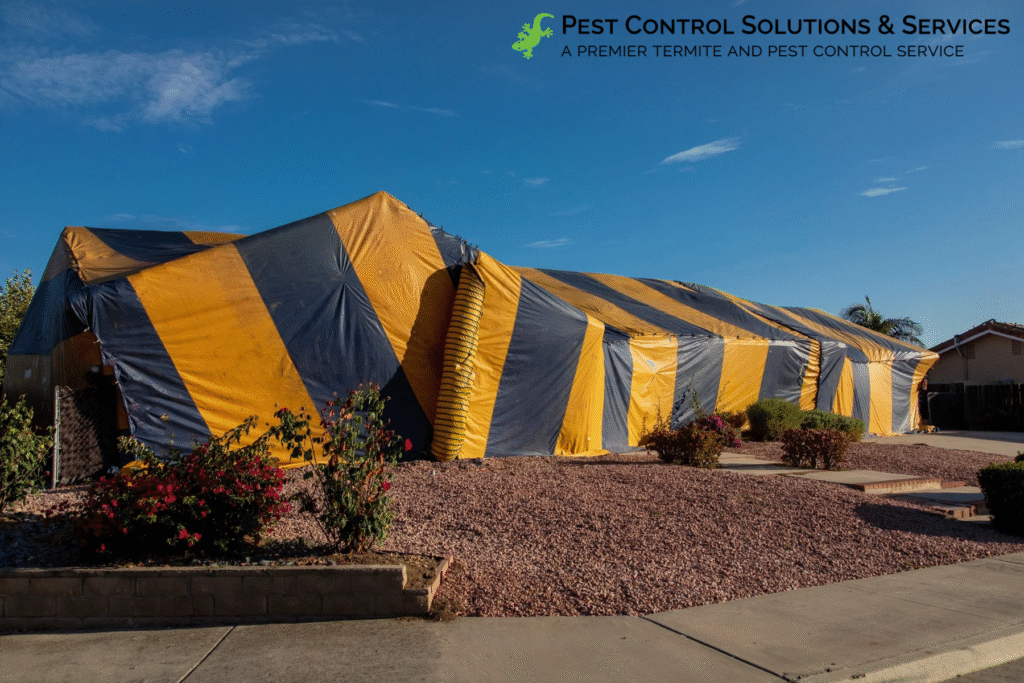
During a fumigation treatment, pest control technicians place a tent over the home and release fumigant gas that penetrates wood structures, cracks, and hidden spaces. After the treatment period ends, technicians ventilate the home and test the air before residents can safely return.
Many homeowners rely on pest control in St. Petersburg when they discover drywood termites because the humid coastal climate makes the area vulnerable to termite activity.
Timeline for Preparing Your Home for Fumigation
Preparing in advance makes the process easier and ensures the fumigation goes smoothly.
Three to Five Days Before Fumigation
Start by scheduling the treatment with a professional St. Petersburg pest control company that offers structural fumigation.
Once the service is scheduled, arrange accommodations for your family since you will need to leave the home during treatment. Most fumigation services require residents to stay out of the house for one to three days.
You may also want to notify neighbors about the upcoming fumigation so they are aware that your home will be tented during the treatment.
One Day Before Fumigation
Most fumigation preparation tasks take place the day before treatment.
All items that could be affected by fumigants must either be removed or sealed in special fumigation bags provided by your pest control company.
These items include:
• Food products
• Pet food
• Medicine and vitamins
• Tobacco products
If refrigerated or frozen foods cannot be moved off-site, they may need to be discarded before fumigation begins.
Day of Fumigation
On the day the treatment begins, homeowners must complete the final termite tenting house preparation steps.
Before leaving the home:
• Remove pets, birds, reptiles, and fish tanks
• Move indoor plants outside
• Unplug electrical devices
• Open cabinets, closets, and drawers
• Unlock gates and provide access to technicians
Opening cabinets and drawers allows fumigants to circulate throughout the structure so technicians can effectively fumigate home.
Complete Fumigation Preparation Checklist
If you are preparing to fumigate a house, use this checklist to make sure everything is ready.
Food and Consumables
Remove or double bag:
• Pantry food
• Refrigerator food
• Freezer food
• Pet food
• Vitamins and medicine
Pets and Plants
Remove from the home:
• Dogs and cats
• Birds and reptiles
• Fish tanks and aquariums
• Indoor plants
Home Access
Help technicians complete the treatment by:
• Unlocking gates and garages
• Opening cabinets and drawers
• Providing attic or crawlspace access
• Moving furniture away from walls if necessary
What Happens During the Fumigation Process
After preparation is complete, technicians begin the fumigation process.
First, the house is covered with a tent to seal the structure. Then a fumigant gas is released inside the home to penetrate wood and hidden areas where pests live.
Once the treatment period ends, technicians ventilate the home and perform safety testing before allowing residents to return.
Professional fumigation services are carefully monitored to ensure the treatment is both safe and effective.
What To Do After Your Home Is Fumigated
Once the fumigation process is complete and the home has been cleared for reentry, homeowners can begin moving back in.
Recommended steps include:
• Opening windows to allow fresh air circulation
• Removing fumigation bags
• Returning pets and houseplants
• Restocking food supplies if needed
Your pest control technician will provide instructions specific to your treatment.
Professional Pest Control and Fumigation Services in St Petersburg
Preparing your home correctly helps you work safely and effectively. If you need guidance on how to prep for fumigation or want to schedule professional treatment, it is best to work with a trusted local pest control company.
Pest Control Solutions & Services provides reliable solutions, including termite inspections, bed bug treatments, and structural fumigation.
Many homeowners searching for St. Petersburg’s best pest control solutions turn to professional providers for serious pest infestations requiring fumigation.
Schedule Fumigation Services in St Petersburg
If termites or other pests are spreading throughout your home, fumigation may be the most effective treatment option. Pest Control Solutions and Services offers professional fumigation services to help eliminate serious infestations and protect homes in the area.
Contact us today to learn more about our fumigation services or to schedule pest control.
Frequently Asked Questions
How long do you have to leave your house during fumigation?
Most homeowners must leave their home for one to three days while the fumigation process is completed and the structure is ventilated.
What should be removed from the house before fumigation?
Food, medicine, pet food, plants, and pets must be removed from the home or sealed in special fumigation bags before treatment begins.
Do you need to wash dishes after fumigation?
Dishes inside cabinets typically do not need to be washed because fumigants dissipate completely during ventilation.
Is fumigation safe for homes?
Yes. Professional fumigation services follow strict safety procedures, including sealing the structure, monitoring levels, and ensuring the home is ventilated before residents return.
When should a home be fumigated?
Fumigation is usually recommended when severe infestations occur, especially with pests such as drywood termites that live deep within wooden structures.
Other related blogs:
How do I prepare my house for fumigation?

