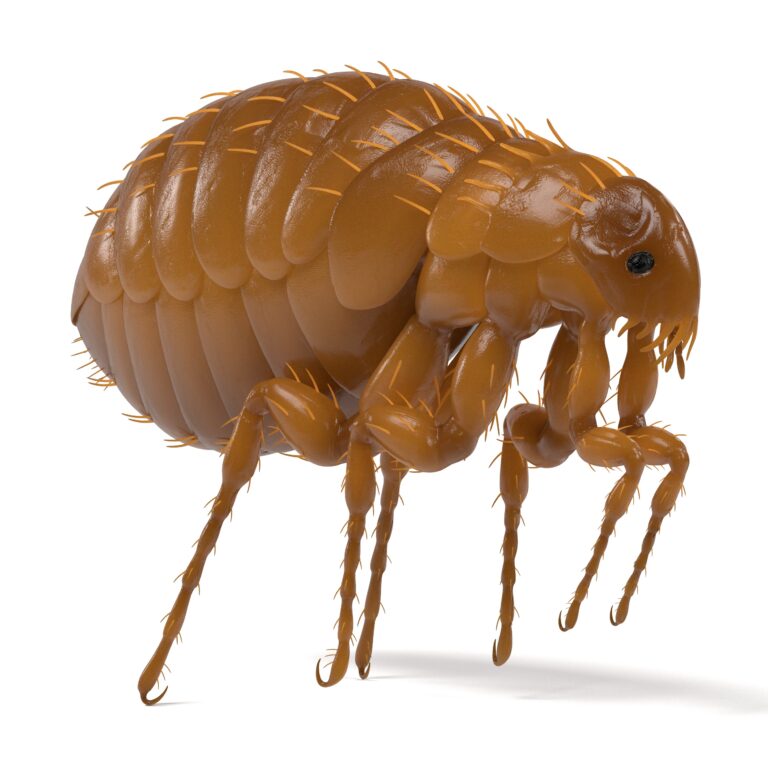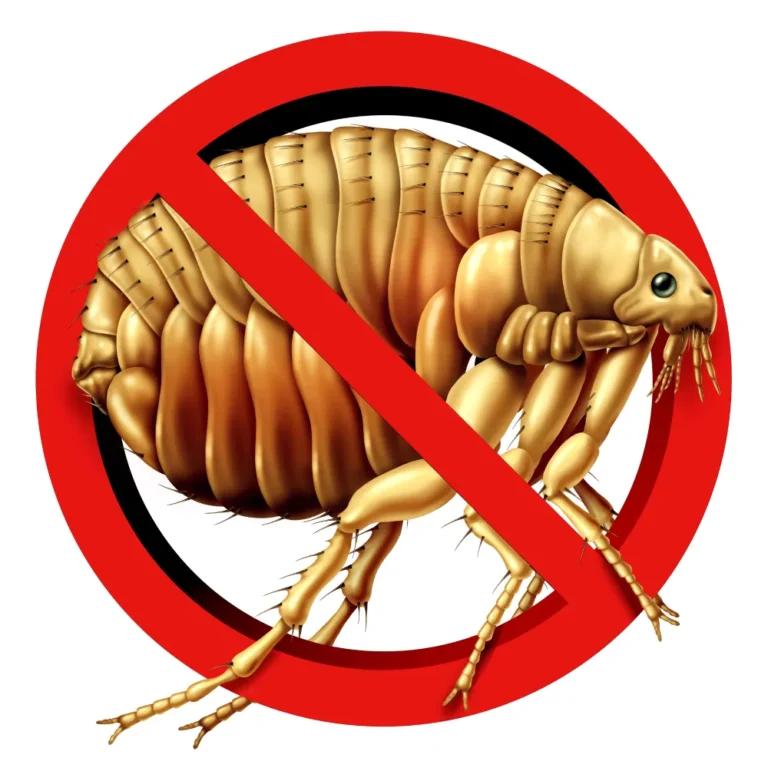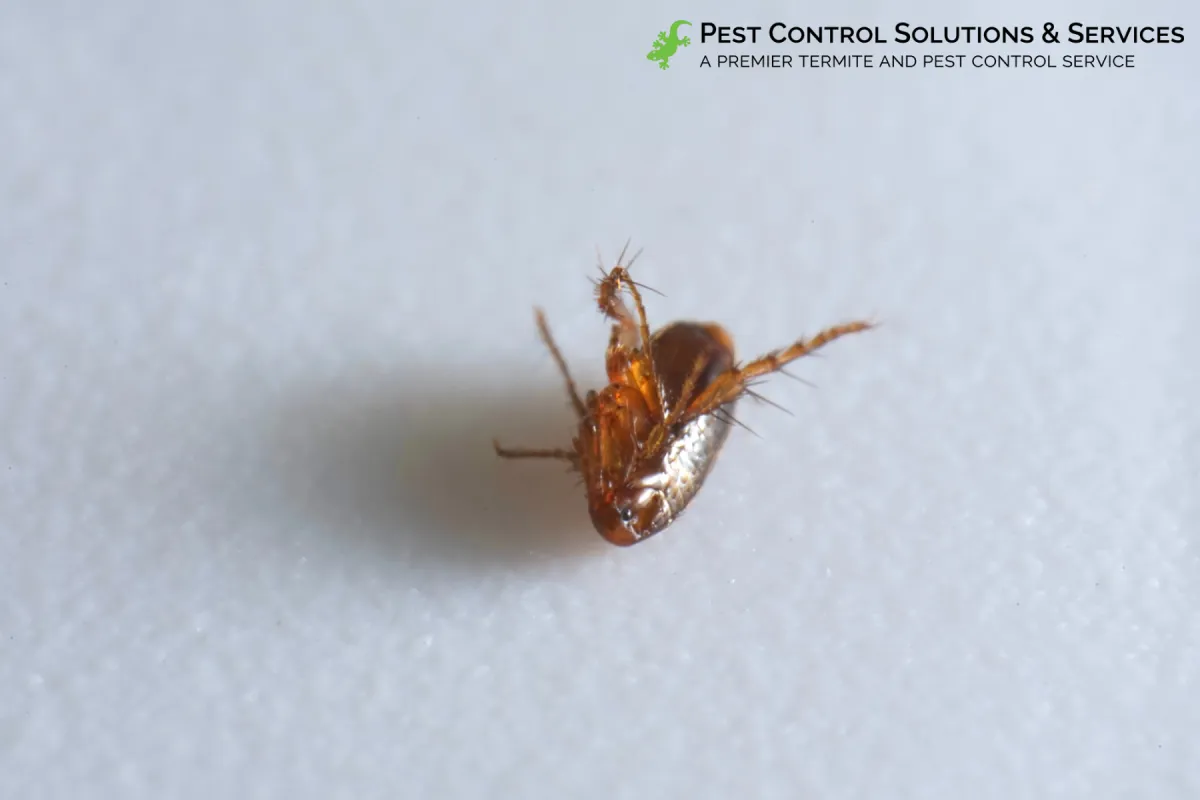
Professional flea control breaks the flea life cycle by combining adulticides for immediate knockdown with Insect Growth Regulators (IGRs) that sterilize adult females and prevent eggs and larvae from maturing into breeding adults. Because impenetrable flea pupae cocoons can hatch weeks after initial application, residual treatments ensure emerging adults contact active ingredients before reproducing.
Dealing with a flea outbreak in your home can feel like a losing battle. Many property owners buy over-the-counter flea sprays or wash their pets, only to see biting insects return a week or two later. This happens because visible jumping adult fleas represent only a tiny fraction of the total population residing in your living space.
Fleas go through four distinct developmental stages: egg, larva, pupa, and adult. While standard bug sprays might kill the active adults on your pet or furniture, they leave behind hundreds of microscopic eggs, larvae, and pupae hidden deep inside carpet fibers, baseboard cracks, and couch seams. Without an integrated plan that addresses all four life stages, those hidden eggs and pupae will simply hatch, start biting, and restart the breeding cycle all over again.
Understanding how professionals target the entire flea control process empowers you to protect your household for the long haul. Here is a clear look at how multi-stage protocols work, how each stage is targeted, why pupae resist chemicals, and how expert care keeps your property safe.
Adulticide-Only Sprays vs. Complete IGR Multi-Stage Protocols
Comparing a basic adult-focused spray with a multi-stage professional protocol reveals why stopping egg and larval development is mandatory for permanent relief.
During a recent home inspection for a family in Palm Harbor, our technician evaluated a living room where flea bites persisted despite weekly store-bought treatments. A previous attempt had only targeted active biting adults, completely ignoring the thousands of flea eggs and larvae buried under heavy carpet pile near the pet’s sleeping area. By applying specialized Insect Growth Regulators (IGRs) alongside targeted vacuuming instructions, our team stopped the immature fleas from maturing, eliminating the infestation within two weeks.
Here is how standard adulticides compare to a professional multi-stage protocol:
| Control Dimension | Adulticide-Only Surface Sprays | Professional Multi-Stage IGR Protocol |
| Target Life Stages | Adult fleas only (approx. 5% of population) | Eggs, larvae, pupae, and adult fleas (100% coverage) |
| Impact on Flea Eggs | Zero impact; eggs continue hatching | Prevents eggs from viable hatching or shell development |
| Impact on Flea Larvae | Minimal; carpet-dwelling larvae survive | Stops larval molting via juvenile hormone mimics |
| Pupal Cocoon Penetration | Cannot penetrate silk cocoon structure | Residual deposits kill newly emerged adults immediately |
| Reinfestation Risk | High; rebound infestations occur within 14–21 days | Low; breaks reproductive cycle for up to 180 days |
The 4 Stages of the Flea Life Cycle and How Professional Treatments Target Each
A complete flea management strategy relies on a four-part systematic approach to eliminate adult fleas while halting the growth of young insects.
1. The Adult Stage (5% of Infestation) – Immediate Knockdown
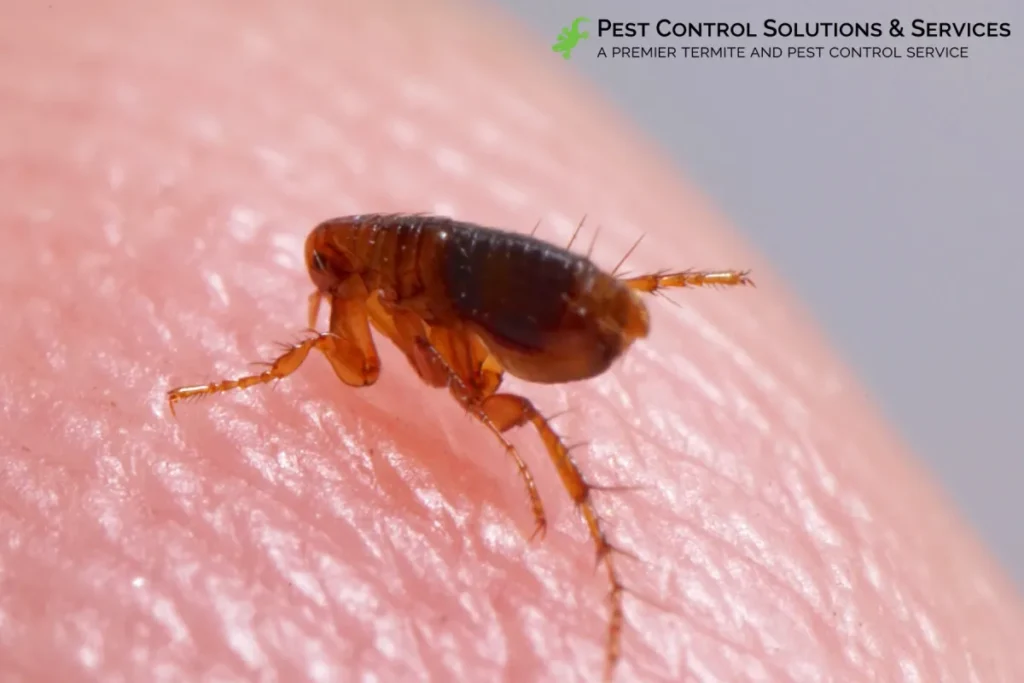
Adult fleas live on host animals, feeding on blood and laying dozens of eggs daily. Fast-acting adulticides rapidly eliminate active biting adults to relieve discomfort and halt immediate egg production.
2. The Egg Stage (50% of Infestation) – Embryonic Disruption
Unattached flea eggs fall off pets into carpets, furniture, and pet bedding. Insect Growth Regulators (IGRs) penetrate eggshells and sterilize adult females, making newly laid eggs non-viable.
3. The Larval Stage (35% of Infestation) – Molting Interception
Worm-like larvae hatch and burrow deep into dark carpet fibers and baseboard cracks to feed on organic debris. IGRs disrupt larval molting cycles, stopping them before they can spin protective cocoons.
4. The Pupal Stage (10% of Infestation) – Emerging Knockdown
Larvae spin silk cocoons that resist chemical sprays. Micro-encapsulated residual products remain active in carpet fibers, destroying emerging adults as soon as they hatch.
Applying Our Protocol at Pest Control Solutions & Services
At Pest Control Solutions & Services, we bring a customer-focused, local approach backed by expert technical training. Serving homes across Palm Harbor, we prioritize the health and safety of your family and pets above all else. We rely on the most reliable products to build personalized pest control solutions tailored specifically to your home’s layout.
Our team performs thorough assessments and customized treatments to deliver quick, honest service without hidden fees. With professional pest control in Palm Harbor, FL, we use straightforward and transparent pricing alongside specialized flea deterrents and targeted treatments to eliminate current infestations and help prevent future outbreaks before they begin.
Here is how our comprehensive flea management protocol protects your property:
- Detailed Micro-Zone Inspections: We examine carpet piles, tile grout lines, upholstery seams, and pet resting zones to pinpoint where flea eggs and larvae gather.
- Dual-Action Chemical Applications: We deploy fast-acting adulticides alongside dual-action IGRs, ensuring biting adults die quickly while young fleas are barred from reaching maturity.
- Long-Lasting Residual Protection: We apply long-lasting micro-encapsulated layers deep into carpet fibers to intercept pupae as they hatch over the following weeks.
- Personalized Mechanical Guidance: We provide step-by-step guidance on strategic vacuuming and fabric washing, helping you stimulate pupal emergence into treated zones safely.
While assisting a homeowner whose cat had brought fleas indoors from an enclosed patio, our technician identified unsealed subfloor gaps and heavy carpet infestation. As part of our pest control in Palm Harbor, we deployed a specialized IGR treatment and sealed exterior entry points, clearing the structure completely without requiring harsh indoor sprays.
Debunking the Myth: “Seeing Fleas 2 Weeks After Treatment Means It Failed”
A widespread myth among property owners is that seeing a few live fleas ten to fourteen days after a treatment means the service did not work. In reality, Palm Harbor pest control professionals understand that newly emerged fleas can appear as eggs and pupae complete their life cycle, making follow-up treatments and monitoring an important part of achieving lasting results.
Here is the science behind what is actually happening during the “pupal window”:
- Impermeable Protective Cocoons: Flea pupae surround themselves in sticky, silk-like cocoons that water and liquid chemical treatments cannot penetrate.
- Stimulated Hatching Requirements: Pupae hatch when they sense warmth, carbon dioxide, or vibrations from footsteps. When they hatch, they emerge from their cocoons into the carpet fibers.
- The Contact Knockdown: Newly emerged fleas MUST walk through the persistent residual treatment layers left in your carpet to pick up the active ingredient and die. Seeing a few hatching fleas during this window is a necessary step toward total eradication.
Flea Biological Specifications & Treatment Glossary
Understanding these biological terms helps you make smart decisions when protecting your home:
Insect Growth Regulator (IGR)
A specialized biorational compound that mimics juvenile insect hormones, halting larval molting and rendering flea eggs non-viable.
Pupal Window
The 2-to-4-week post-treatment period during which protected flea pupae hatch into adults and must contact residual treatments to die.
Flea Dirt (Frass)
Digested blood excreted by adult fleas that falls into pet bedding and carpets, serving as the primary food source for developing larvae.
Dual-Action Protocol
Combining an adulticide for immediate adult knockdown with an IGR to arrest immature development, treating all four life stages at once.
People Also Ask (FAQ)
Why isn’t treating my pet with flea medicine enough to clear my home?
Only 5% of an active flea population lives on host pets. The remaining 95% exists as eggs, larvae, and pupae scattered across carpets, furniture seams, and baseboard gaps, requiring environment-wide treatment.
How long does an Insect Growth Regulator (IGR) stay active in carpets?
Professional-grade indoor IGR applications remain active inside carpet fibers and floor crevices for up to 6 months, preventing newly introduced eggs from developing into breeding adults.
Why is vacuuming so important before and after professional flea treatments?
Vacuuming lifts carpet fibers so treatments penetrate deeply, removes organic larval food, and creates physical vibrations that encourage dormant pupae to hatch into active residual treatments.
How do I know if my flea treatment in Palm Harbor is working?
You will notice fewer bites on your legs and reduced scratching from your pets within a few days. Over two weeks, flea dirt will disappear, and newly hatched fleas will quickly die upon contacting carpet fibers.
Permanently Break the Flea Cycle in Your Home Today
Relying on store-bought sprays or treating pets alone leaves 95% of the flea population thriving deep inside your home’s carpets and furniture. A professional, multi-stage protocol combines fast-acting adult knockdown with long-lasting Insect Growth Regulators to destroy every life stage and prevent reinfestation.
At Pest Control Solutions & Services, we are committed to protecting your property with safe, reliable, and eco-friendly techniques. Our well-trained technicians deliver personalized care, honest advice, and proven results to give your family complete peace of mind.
Ready to break the flea lifecycle and protect your home for good? Contact us today to schedule your free consultation or request a thorough pest inspection with Pest Control Solutions & Services!