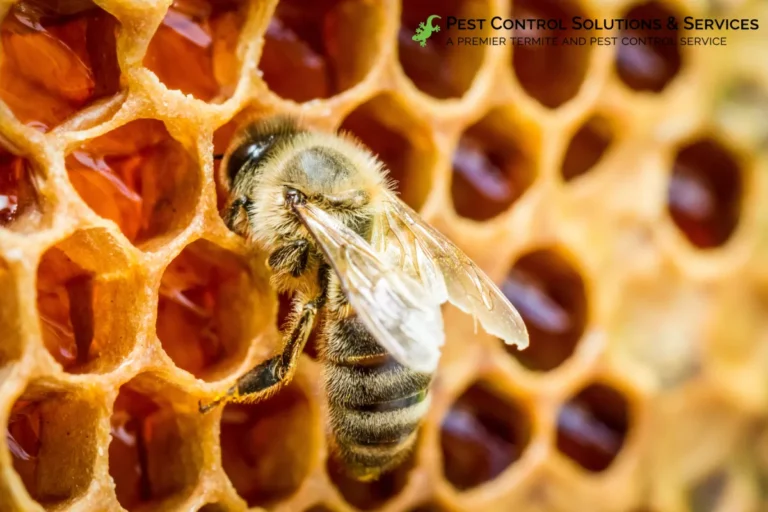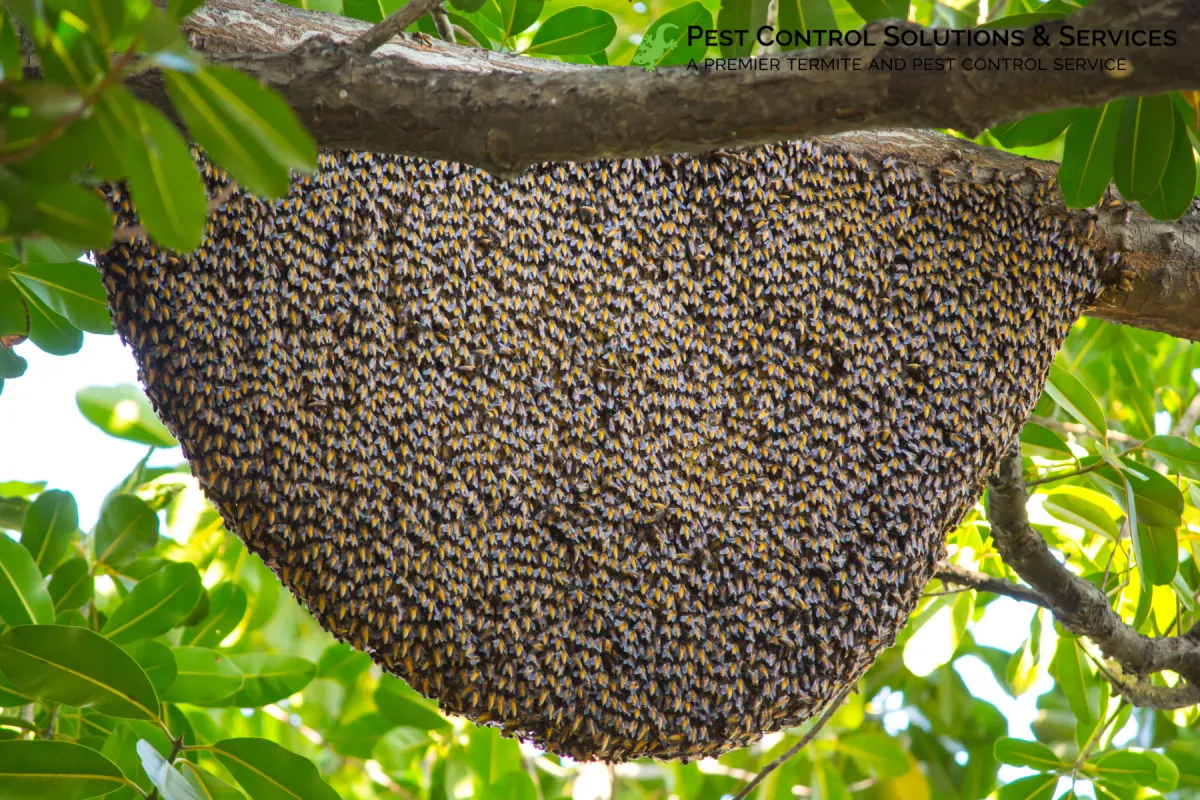
Technicians determine whether a beehive can be relocated or requires treatment by identifying the insect, checking the hive’s location, and assessing access and safety risks. When relocation is practical, it may help preserve the colony; when it is not suitable, a technician can recommend another approach based on the conditions at the property.
What Do Technicians Check Before Deciding How to Handle a Beehive?
Before recommending a solution, a technician needs to identify the insect and understand where it has built its nest. Honey bees, bumble bees, and wasps can look similar from a distance, but their nesting habits and management needs differ.
Correct identification also helps avoid unnecessary treatment. A nest that looks concerning to a homeowner may be manageable through relocation, while another may require a different response.
How Do Technicians Identify the Insect?
Technicians look at several signs to determine which insect is present.
- Appearance: Body shape, size, color, and hairiness can help identify the insect.
- Behavior: Flight patterns and activity around the nest provide useful clues.
- Nest structure: Some bees build wax combs, while certain wasps build paper-like nests.
- Colony activity: Repeated movement in and out of an opening can help technicians locate an established nest.
Homeowners should not approach the nest to get a closer look. A trained professional can assess the insects from a safe distance and decide whether a closer inspection is needed.
Where Is the Hive Located?
The hive’s location can affect both the risk and the work needed to manage it. A visible colony in a tree may be easier to access than one inside a wall or roof.
An exterminator in Ruskin, FL may assess nests in trees, shrubs, sheds, attics, roof spaces, wall cavities, and other sheltered areas. They also consider how close the hive is to doors, walkways, patios, and places people use regularly.
For homeowners in Ruskin, this assessment is especially useful when a hive is near an outdoor living area or a frequently used entrance. The technician needs to understand the site conditions before deciding which option is appropriate.
What Factors Determine Whether a Beehive Can Be Relocated?
Relocation may be an option when the insect is correctly identified, the colony can be reached safely, and the work can be carried out by someone with the right experience. However, not every hive can be relocated easily. The decision depends on the species, location, access, and risks involved.
Which Factors Make Relocation More Practical?
Technicians may consider five main factors:
- Insect identification: The technician first confirms whether the nest belongs to bees or another stinging insect.
- Access to the hive: A visible colony may be easier to reach than one inside a building.
- Colony condition: The specialist assesses the colony and what would be needed to move it.
- Safety around the site: The team considers risks to people, pets, and anyone passing near the hive.
- Relocation options: A suitable specialist and an appropriate destination must be available when relocation is recommended.
When these conditions are favorable, relocation may allow the colony to be preserved while addressing the homeowner’s concerns.
When Might Relocation Be Difficult or Unsuitable?
Relocation can become more complicated when bees have built a nest inside a wall, roof, or other enclosed space. Reaching the colony may require opening part of the structure, and repairs may be needed afterward.
Relocation may also be unsuitable if the insects are not a species that can be handled through the proposed method or if the site presents risks that cannot be managed safely.
In these situations, the technician should explain the available options and why a different approach may be more suitable. If you’re considering pest control in Ruskin, FL, confirm whether the company handles bee relocation directly or recommends a qualified specialist.
Bee Hive Relocation vs. Treatment: What Is the Difference?
Relocation and treatment have different goals. Relocation aims to move a suitable colony, while treatment or another management method addresses the pest concern when relocation is not practical or appropriate.
| Consideration | Hive relocation | Treatment or other management |
| Main goal | Move a suitable colony to another location | Address the pest concern or safety risk |
| Colony preservation | Intended to preserve the colony when feasible | May not preserve the colony, depending on the method |
| Access requirements | May require direct access to the colony | Depends on the insect and chosen method |
| Suitable situations | When the species, location, and conditions allow relocation | When relocation is unsuitable, or another method is needed |
| Follow-up | May include checking the original site and sealing openings | May include monitoring, repairs, or additional work |
The word treatment does not mean every hive should be handled in the same way. The appropriate response depends on the insect, the location, and the risks involved.
A professional assessment helps homeowners understand why a particular option is recommended instead of choosing a method based only on the appearance of the nest.
How Do Safety Risks Affect the Decision?
Safety is a key part of deciding whether a hive can be relocated or needs another form of management. Even a colony that could be relocated may need careful planning if it is close to an entrance, walkway, or outdoor area used by children and pets.
Technicians may assess:
- Nearby activity: Whether people regularly pass or gather near the hive.
- Insect behavior: Whether the colony appears defensive or reacts to nearby movement.
- Access conditions: Whether the nest can be reached without creating unnecessary risks.
- Household concerns: Whether children, pets, or people with known sting allergies may be exposed.
- Property risks: Whether reaching the colony could affect roofing, walls, insulation, or other building materials.
Homeowners should keep a safe distance, avoid hitting or blocking the nest, and never attempt to remove an established hive without suitable training and equipment.
If someone is stung and shows signs of a severe allergic reaction, seek emergency medical help immediately.
What Happens During a Professional Bee Hive Inspection?
A Ruskin pest control professional inspection helps the technician gather the information needed to recommend a suitable course of action. While the exact process varies, a visit may include these steps:
- Discuss the problem. The technician asks where the insects are appearing, how long they have been active, and whether anyone has been stung.
- Observe the nest. The technician checks its location and activity from a safe distance.
- Identify the insect. Appearance, behavior, and nest structure help determine which insect is present.
- Assess access. The technician considers how the nest could be reached and whether the structure may need to be opened.
- Review safety risks. Nearby people, pets, walkways, and property conditions are taken into account.
- Explain the options. The technician discusses whether relocation appears practical or another management method may be needed.
- Recommend follow-up. Depending on the situation, next steps may include monitoring, sealing openings, or arranging repairs.
A thorough assessment is particularly important when the hive is hidden inside a building or close to an area people use daily.
Applying Our Environmentally Friendly and Minimally Disruptive Approach, Green and Safe Pesticides, and Robust Training Program
Pest Control Solutions & Services focuses on identifying the pest, assessing the property, and selecting an approach that fits the situation. These principles guide how the company handles bee concerns and explains available options to homeowners.
Environmentally Friendly and Minimally Disruptive Methods
The aim is to address the hive without causing unnecessary disruption to the property or surrounding area. This starts with identifying the insect and assessing the location before deciding what action is needed.
PCSS states that it aims to relocate bees responsibly whenever possible. If relocation is not suitable and removal is necessary, the team can recommend an appropriate management approach based on the circumstances. Access, safety, and any repairs needed afterward should be discussed before work begins.
Green and Safe Pesticides
PCSS describes its approach as using green and safe pesticides when removal is necessary. This means the company focuses on carefully selected products and responsible treatment practices rather than using the same method for every situation.
The choice of product and method should reflect the insect, the location of the nest, and the risks to people, pets, and the surrounding environment. No product should be assumed to be risk-free, and all treatments should follow applicable product-label directions and safety requirements.
Our Robust Training Program
A sound recommendation depends on the technician’s ability to identify the pest, assess the site, and explain the available options. PCSS describes a training program that combines online learning with hands-on field training led by certified experts.
The company also requires monthly training to help technicians stay up to date with products and pest management practices. This ongoing education supports consistent service and helps technicians explain why a particular approach may be appropriate for a homeowner’s situation.
Bee removal is a specialized, one-time service rather than part of PCSS’s standard service plan. Homeowners should ask whether relocation is available for their specific situation and whether a qualified specialist may be needed.
Myth vs. Fact: Every Beehive Should Be Relocated
Myth: Every bee hive can and should be relocated.
Fact: Relocation depends on the insect species, nest location, accessibility, safety risks, and whether the colony can be moved responsibly. Some colonies may be suitable for relocation, while others may require a different management option.
It is also important not to assume that every nest outdoors belongs to honey bees. Wasps and other stinging insects may build nests in similar areas, but their behavior and management needs can differ.
Rather than disturbing the nest or trying to identify it up close, keep your distance and arrange a professional assessment. Correct identification gives the technician a better basis for recommending the next step.
What Happens After a Beehive Is Relocated or Managed?
The work may not end when the colony is moved or the immediate concern is addressed. Depending on the location, the technician may recommend additional steps to reduce the chance of another colony nesting in the same area.
After the visit, homeowners should:
- Follow the technician’s instructions. Keep people and pets away from the work area for the recommended period.
- Watch for continued activity. Observe from a safe distance and report concerns.
- Check access points. Ask whether cracks, gaps, or other openings need to be sealed.
- Arrange repairs if needed. Accessing a nest inside a wall or roof may leave areas that need repair.
- Discuss prevention. Ask what practical steps may reduce the chance of future nesting in unwanted areas.
Do not seal an active hive entrance yourself. Doing so could trap insects inside a building or cause them to seek another way out. Ask the technician when and how any opening should be closed.
The right follow-up depends on the insect and the work performed. Your provider should explain what to watch for and when to request another assessment.
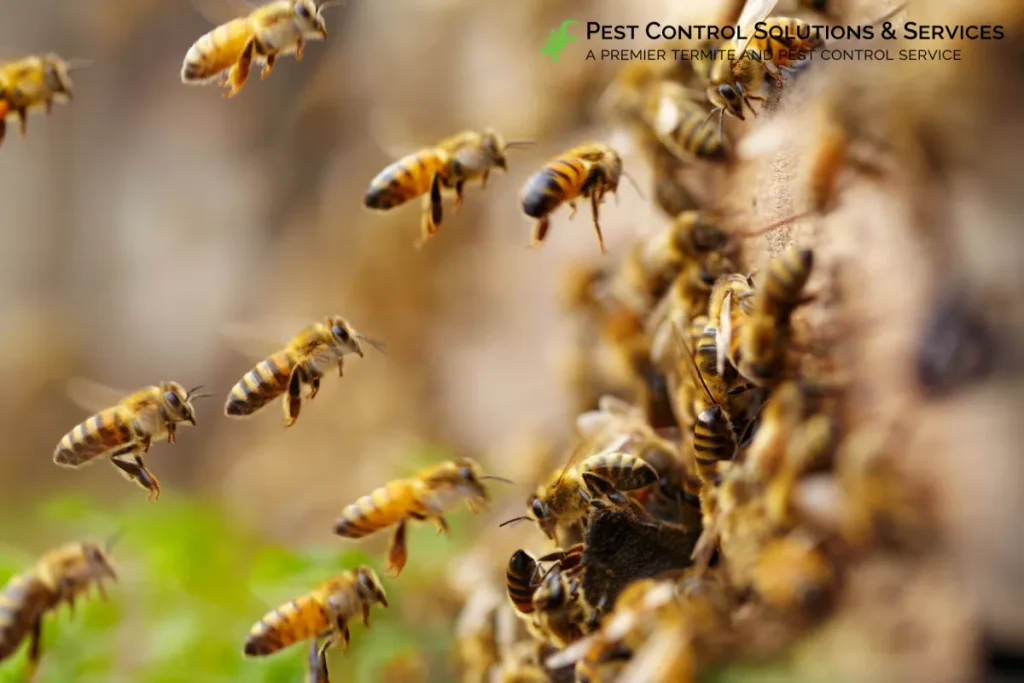
People Also Ask: Bee Hive Relocation and Treatment
Can All Bee Hives Be Relocated?
No. Relocation depends on the insect species, the hive’s location, safe access, and whether a qualified specialist can handle the colony. A professional assessment helps determine whether relocation is practical.
How Do Technicians Know Whether a Nest Contains Bees or Wasps?
Technicians examine the insects’ appearance, behavior, and nest structure. Correct identification matters because bees and wasps may require different management methods.
Is It Safe to Leave a Beehive Alone?
It depends on where the hive is located and whether people or pets may come into contact with it. A nest away from regular activity may pose less immediate risk than one beside a doorway or walkway. Keep your distance and seek professional advice if the hive creates a concern.
What Happens If Bees Are Nesting Inside a Wall?
The technician assesses the entry point, the colony’s location, and the access needed to reach it. The recommended plan may involve specialist removal and repairs. Ask whether the work includes sealing openings to help prevent another colony from moving into the same space.
Should Homeowners Remove a Beehive Themselves?
No. Disturbing a hive can lead to defensive behavior and increase the risk of stings. Keep away from the nest and contact a qualified professional who can assess the situation.
What Happens After a Beehive Is Removed?
The technician may recommend monitoring the area, sealing suitable openings, and repairing damaged materials. The next steps depend on where the hive was located and how it was managed.
Get Professional Help With a Beehive
Finding a hive near your home can be worrying, especially when it is close to an entrance, patio, or area where your family spends time. The right response starts with identifying the insect, checking the location, and understanding whether relocation is practical.
Pest Control Solutions & Services takes a customer-focused approach to pest concerns, with an emphasis on careful assessment, suitable management options, and clear guidance. Our team can help you understand the next steps for your property and discuss the options available for your situation.
If you are looking for pest control, contact our team to discuss your concerns and request a consultation. Call us today to learn more about our services. We will help you understand the available options so you can make an informed decision about your property.