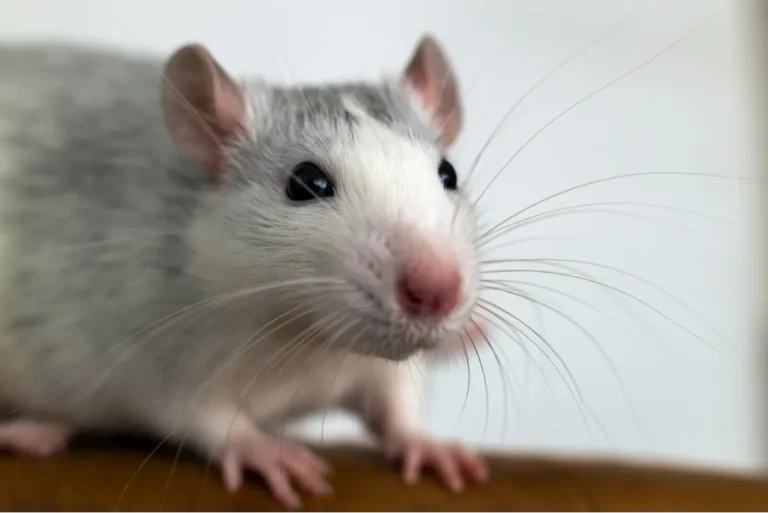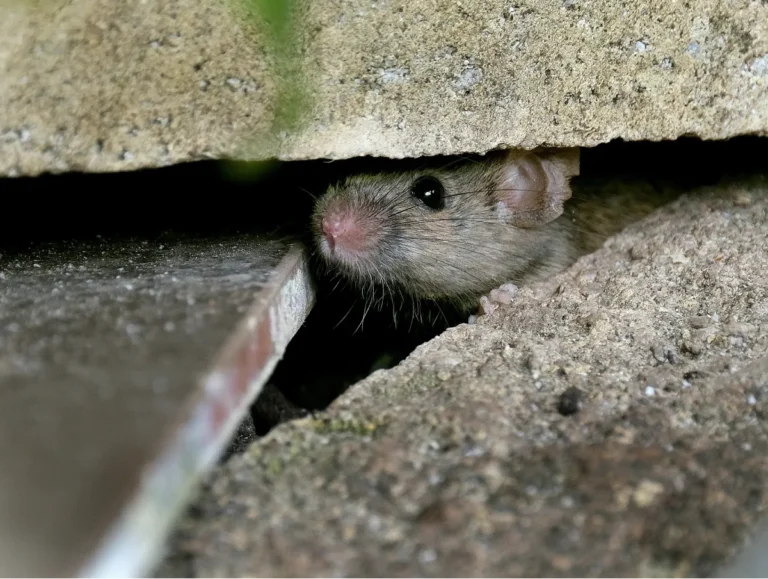
Mice in an attic can be removed by identifying their entry points, using appropriately placed traps, and sealing openings to prevent new rodents from entering. Homeowners should also clean contaminated areas safely and check for damage to insulation or wiring. Addressing both the mice already inside and the ways they enter helps reduce the risk of another infestation.
How Can You Tell If Mice Are Living in Your Attic?
Mice often remain hidden in attics, so you may notice signs of their presence before seeing one. Checking for several indicators can help you determine whether rodents are using the space for shelter or nesting.
Common signs of mice in an attic include:
- Scratching or scurrying sounds: Light movement, scratching, or gnawing noises may be audible in ceilings, particularly when the house is quiet.
- Small, dark droppings: Mouse droppings may appear along accessible paths, near stored belongings, or around suspected nesting areas.
- Shredded nesting materials: Mice may use paper, fabric, insulation, and other soft materials to build nests.
- Gnaw marks: Chewed cardboard, wood, plastic, and other materials can indicate rodent activity.
- Unusual odors: A persistent musky smell may indicate rodent activity, while a stronger odor could come from a dead mouse or accumulated contamination.
- Damaged insulation: Disturbed or compressed insulation may be associated with nesting or repeated rodent movement.
One sign alone does not always confirm an active infestation. For example, scratching sounds could come from squirrels or other wildlife. Look for multiple indicators and avoid entering an unsafe or difficult-to-access attic just to investigate.
How Are Mice Getting Into Your Attic?
Mice can enter buildings through surprisingly small openings. Gaps around rooflines, utility lines, vents, and damaged building materials can provide access to sheltered spaces above the ceiling.
Common entry points include:
Roof Edges and Soffits
Loose soffit panels, damaged fascia boards, and gaps where roofing materials meet can create access points. Mice may climb nearby structures or vegetation to reach vulnerable sections of the roof.
Roof Vents and Openings
Attic vents help with ventilation, but damaged covers or poorly secured openings may allow rodents inside. Ventilation openings should remain functional while being protected with suitable rodent-resistant materials.
Utility Lines and Pipe Openings
Gaps surrounding electrical cables, plumbing lines, air-conditioning lines, and other penetrations can provide routes into wall cavities and attic spaces.
Gaps Around the Garage and Roofline
An attached garage may offer access to wall cavities or roof spaces if openings remain unsealed. Check the junctions between the garage, exterior walls, and roofline for damage or gaps.
When inspecting these areas, use binoculars or inspect from the ground whenever possible. Do not climb onto a roof or step onto attic ceiling joists without appropriate equipment and experience.
What Is the Best Way to Get Rid of Mice in an Attic?
The most effective approach combines removal of existing mice, inspection of entry points, and measures that prevent additional rodents from entering. Simply catching one mouse may not resolve the problem if other mice remain or the access points are still open.
1. Inspect the Attic and Surrounding Areas
Start by identifying where mouse activity is concentrated. Look for droppings, nesting materials, gnaw marks, and signs of movement without disturbing contaminated areas.
Also inspect accessible exterior areas around the roofline, vents, soffits, and utility openings. Finding the likely entry points helps determine which repairs and removal methods are needed.
If you cannot safely access the attic, arrange a professional inspection rather than attempting to investigate confined or unstable spaces.
2. Use Suitable Traps to Remove Mice
Traps can help reduce an active mouse population when selected and placed correctly. Snap traps are a common option for indoor mouse control.
Place traps along suspected travel paths, such as near walls or behind objects where mice move, while keeping them inaccessible to children and pets. Follow the manufacturer’s instructions, use an appropriate bait if recommended, and check traps regularly.
Avoid placing traps where you cannot safely reach them. Do not rely on a single trap if there are multiple signs of activity, and never assume that catching one mouse means the infestation has ended.
Poison baits inside an attic can create additional concerns, including the possibility of mice dying in inaccessible spaces. Rodenticides should only be used in accordance with their labels and applicable requirements. Keep all traps and bait products away from children, pets, and non-target wildlife.
3. Seal Entry Points to Prevent More Mice From Entering
Trapping addresses mice already inside, while exclusion helps prevent new rodents from entering.
Inspect accessible openings around roof edges, soffits, vents, utility lines, and exterior wall penetrations. Depending on the location and opening, repairs may involve suitable metal mesh, metal flashing, durable sealants, or replacement of damaged materials.
Choose materials appropriate for the building component and the size of the opening. Ordinary foam alone may not withstand rodent gnawing, so it should not automatically be treated as a complete exclusion solution.
Plan repairs alongside the removal process. Sealing an opening without accounting for rodents already inside can leave them trapped in a building cavity. If an opening may contain a nest or provide access to a concealed space, have the situation assessed before closing it.
4. Remove Food Sources and Reduce Shelter
Mice may enter a home for shelter even when food is not stored in the attic. However, accessible food around the property can make the environment more attractive.
To reduce potential attractants:
- Store pantry food and pet food in tightly sealed containers.
- Clean up spilled food and avoid leaving pet food out overnight.
- Keep garbage in secure containers with intact lids.
- Remove unnecessary cardboard, paper, and fabric clutter from accessible storage areas.
- Keep vegetation and stored materials from obstructing inspections of exterior walls and entry points.
These measures support rodent control but cannot replace trapping, exclusion, or professional intervention when an infestation is established.
5. Monitor for Continued Activity
After traps are set and suspected entry points are addressed, continue checking for fresh signs of mice. Monitoring should focus on whether new droppings, noises, or gnaw marks appear and whether traps continue to catch rodents.
If activity persists, reassess the inspection findings. An overlooked opening, an inaccessible nesting area, or an incorrect assumption about the animal involved may explain why the problem continues.
Do not treat a quiet attic for a night or two as proof that every mouse has been removed. Look for a sustained absence of new evidence and address any remaining signs before considering the problem resolved.
How Should You Clean Mouse Droppings in an Attic?
Mouse droppings and urine can contaminate surfaces and materials. Cleaning them requires care because disturbing dried waste can release contaminated particles into the air.
Follow these precautions when dealing with a small, accessible area:
- Keep people and pets away. Prevent others from entering the affected space during cleanup.
- Ventilate the area when possible. If safe to do so, open doors or windows to increase ventilation before cleaning and follow applicable public-health guidance.
- Avoid dry sweeping or vacuuming. These actions can disturb contaminated material and send particles into the air.
- Use appropriate protective equipment. Follow public-health recommendations for gloves, disinfectants, and other protection based on the extent of contamination.
- Wet and disinfect contaminated surfaces. Use a suitable disinfectant according to its label, allowing the required contact time before wiping up the material.
- Dispose of waste carefully. Place contaminated disposable materials in suitable sealed bags and follow local disposal guidance.
Never mix cleaning products, particularly bleach and ammonia. If droppings are widespread, nesting material is extensive, or insulation is heavily contaminated, avoid disturbing the area and seek professional advice on safe cleanup and removal.
Can Mice Damage Attic Insulation or Electrical Wiring?
Yes. Mice can damage insulation by nesting in it, moving through it, or contaminating it with urine and droppings. Damaged insulation may need to be assessed to determine whether cleaning, repair, or replacement is appropriate.
Rodents can also gnaw on electrical wiring and other building materials. Damaged wiring can create a potential electrical or fire hazard, although not every mouse infestation involves electrical damage.
Watch for exposed or chewed cables, damaged ventilation components, and disturbed building materials. Do not touch exposed wiring or attempt repairs yourself. If you suspect electrical damage, have a qualified electrician assess it before using affected equipment or disturbing the area.
Addressing structural damage is an important part of resolving an attic mouse problem because damaged materials and unsealed openings can contribute to recurring access.
How Can You Prevent Mice From Returning to Your Attic?
Long-term prevention depends on reducing access, limiting attractants, and checking for signs of renewed activity.
Use this prevention checklist:
- Repair damaged soffits, fascia boards, and other exterior building materials.
- Secure suitable covers over vents without obstructing required airflow.
- Seal gaps around utility penetrations using appropriate materials.
- Store food and pet supplies in sealed containers.
- Keep garbage covered and remove unnecessary clutter from storage areas.
- Inspect accessible roofline areas and exterior openings periodically.
- Investigate new scratching sounds, droppings, or gnaw marks promptly.
If mice repeatedly return despite repairs and trapping, the original entry point may not have been identified, or additional openings may remain. Consulting an Eastlakes exterminator can help identify overlooked access routes and determine whether further exclusion work is needed.
When Should You Call a Professional for Mice in Your Attic?
Professional help may be appropriate when mouse activity continues despite trapping, when entry points are difficult to access, or when contamination and damage extend beyond a small, manageable area.
Consider arranging an inspection if:
- You continue hearing scratching or scurrying after taking control measures.
- Fresh droppings appear repeatedly in the attic.
- You suspect mice are entering through the roof, soffits, or concealed wall cavities.
- You find damaged wiring, ventilation components, or extensive insulation contamination.
- You cannot safely access the affected area.
- You are unsure whether the animal is a mouse, rat, squirrel, or another type of wildlife.
A professional inspection should do more than identify visible signs. It should help establish where rodents are active, determine likely access points, assess the extent of the problem, and recommend an appropriate removal and prevention plan.
For homeowners comparing East Lakes pest control options, it is worth checking whether the provider addresses both active rodent removal and the openings that allow rodents to enter. Trapping alone may not resolve a recurring problem when access points remain unaddressed.
An exterminator in East Lakes, FL can assess the attic and accessible exterior areas to help determine which control measures are appropriate. Homeowners looking for an exterminator should ask how the inspection, removal, exclusion, and follow-up process will address their particular situation.

Frequently Asked Questions
How do mice get into an attic?
Mice can enter through gaps around soffits, roof edges, vents, utility lines, and damaged exterior materials. They may climb nearby structures or vegetation to reach openings higher on a building. Identifying these access points is an important part of preventing further entry, particularly when mice continue appearing after traps have been placed.
Should you trap mice before sealing attic entry points?
The removal and exclusion plan should account for mice that may already be inside. Sealing every opening without assessing the situation could leave rodents trapped in a concealed space. Trapping and exclusion should therefore be coordinated so existing mice can be removed while access for additional rodents is restricted.
How can you tell if mice are still active in your attic?
Fresh droppings, new gnaw marks, continued scratching noises, and repeated trap catches can indicate ongoing activity. Check the same accessible areas periodically and investigate new evidence rather than relying on a short period of silence. If signs continue, reassess the entry points and consider a professional inspection.
Is it safe to clean mouse droppings in an attic yourself?
Small, accessible areas may be manageable if appropriate public-health precautions are followed. Avoid sweeping or vacuuming dry droppings, use a suitable disinfectant as directed, and wear appropriate protective equipment. Extensive contamination, heavily affected insulation, or poorly ventilated spaces may require professional cleanup guidance.
Can mice damage attic insulation or electrical wiring?
Yes. Mice can disturb insulation, contaminate materials, and gnaw on wiring or other building components. Not every infestation causes this type of damage, so the affected area should be inspected. Suspected electrical damage should be assessed by a qualified electrician rather than handled as part of routine rodent cleanup.
When should you hire a professional to remove mice from an attic?
Consider professional assistance when activity persists, entry points are inaccessible, contamination is extensive, or damage may affect wiring or building materials. A qualified provider can inspect accessible areas, identify likely entry routes, recommend appropriate removal measures, and explain what repairs or follow-up monitoring may be necessary.
Conclusion
Getting rid of mice in an attic requires more than catching the rodents you can see. Identifying entry points, removing active mice, cleaning contamination safely, and preventing reentry all contribute to a more complete solution.
Monitor the attic for continued activity and address suspected damage promptly. If the infestation persists or the affected areas are difficult to access, Pest Control Solutions & Services can help assess the situation and recommend the appropriate next steps.
Need Help With a Rodent Problem in Eastlake?
Pest Control Solutions & Services provides rodent control services that include property inspections, trapping, and entry-point exclusion. If mice keep returning to your attic, visit our pest control page to learn more about local service options or contact the team to discuss your concerns.