During a professional silverfish control visit, homeowners can expect a technician to inspect areas where silverfish hide, look for signs of activity, and identify conditions that may attract them. Based on the findings, the technician can recommend a targeted treatment plan and explain how to reduce the chances of silverfish returning.
What Happens During a Professional Silverfish Inspection?
A silverfish inspection starts with finding out where the pests are active and what may be allowing them to stay in your home. Silverfish often hide in dark, quiet spaces, so seeing one in a bathroom or storage area does not always show the full extent of the problem.
A technician may inspect bathrooms, kitchens, laundry rooms, closets, attics, and other areas where silverfish could find shelter. They may also check around baseboards, plumbing, cracks, and stored belongings.
Which Areas of the Home Will the Technician Check?
During the inspection, the technician may look at:
- Bathrooms and laundry rooms: Damp areas, plumbing connections, and spaces with poor airflow can provide suitable hiding places.
- Kitchens: Cabinets, gaps around pipes, and spaces behind appliances may shelter silverfish.
- Attics and storage areas: Cardboard boxes, books, paper products, and clutter can provide food sources and places to hide.
- Closets and shelves: Undisturbed belongings may show signs of insect activity or damage.
- Baseboards and cracks: Small openings and narrow spaces can give silverfish places to stay out of sight.
The inspection will depend on the layout of your property and where you have noticed activity. If you’re looking for an exterminator in Palm Harbor, FL, tell the technician about recent sightings and any damage to books, wallpaper, paper goods, or fabrics so they can better assess the problem.
What Signs of Silverfish Activity Should Homeowners Look For?
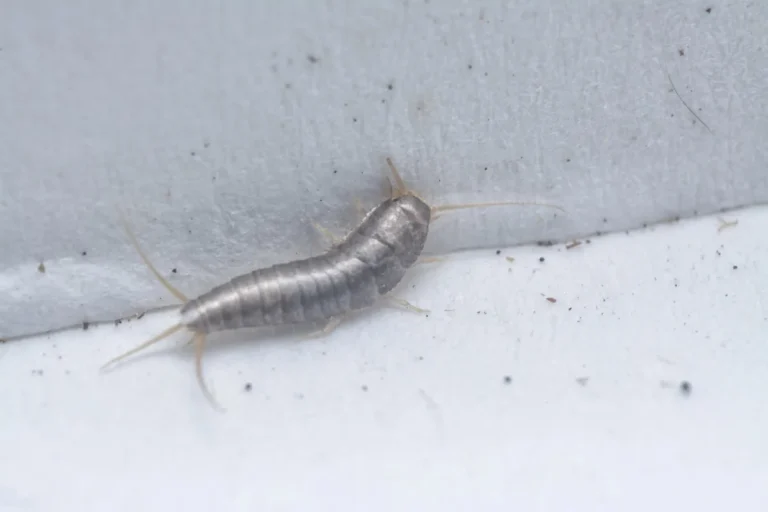
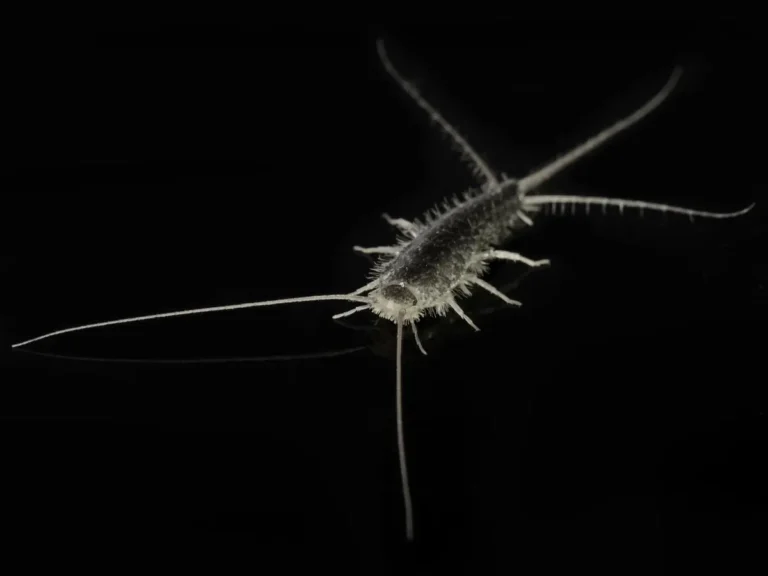
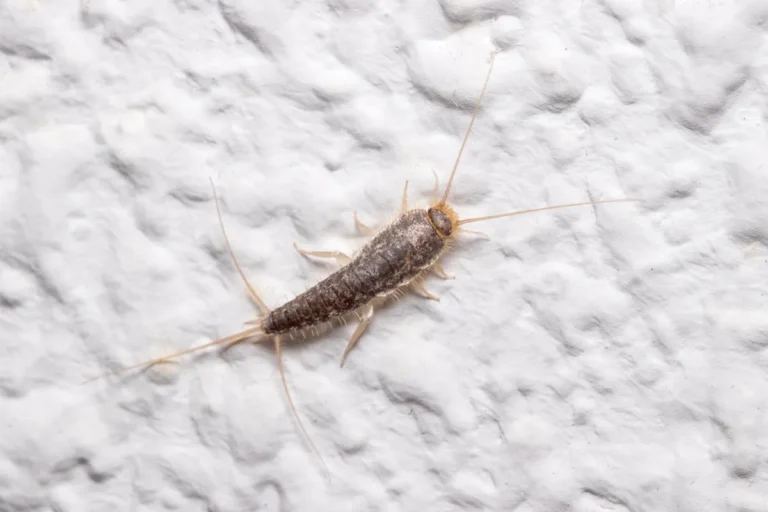
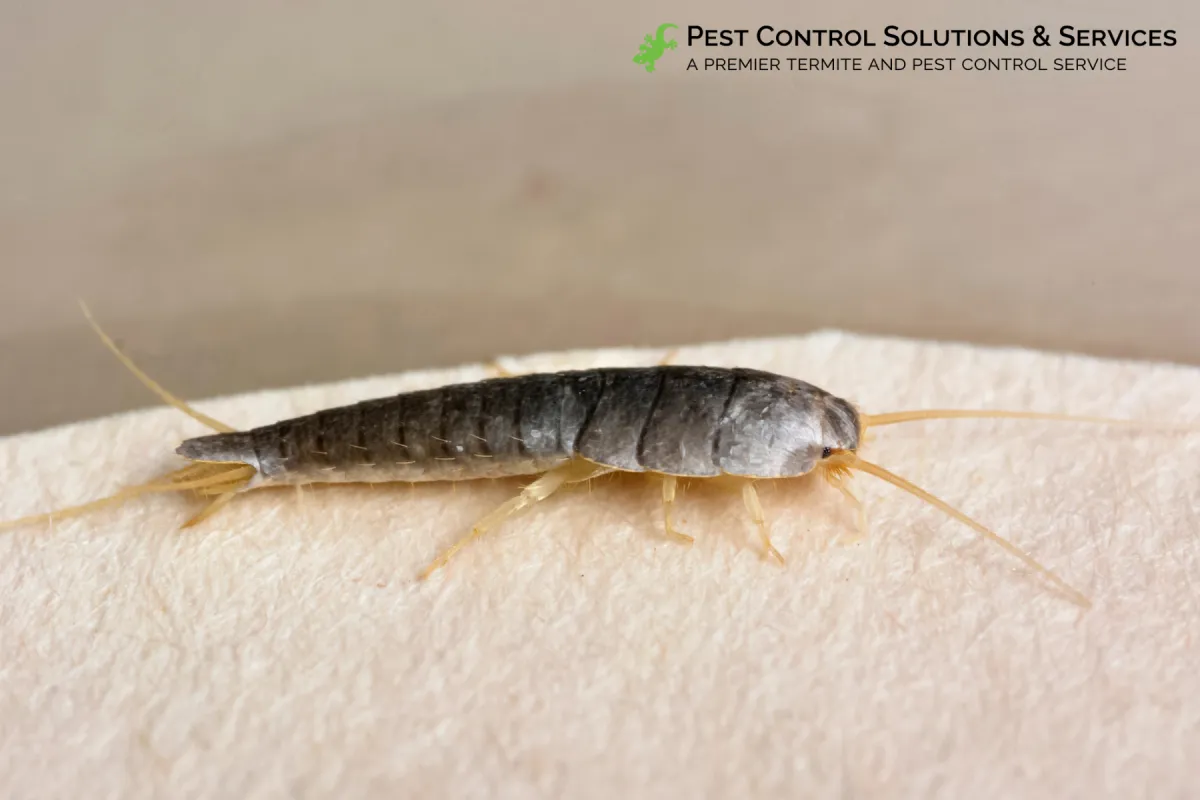
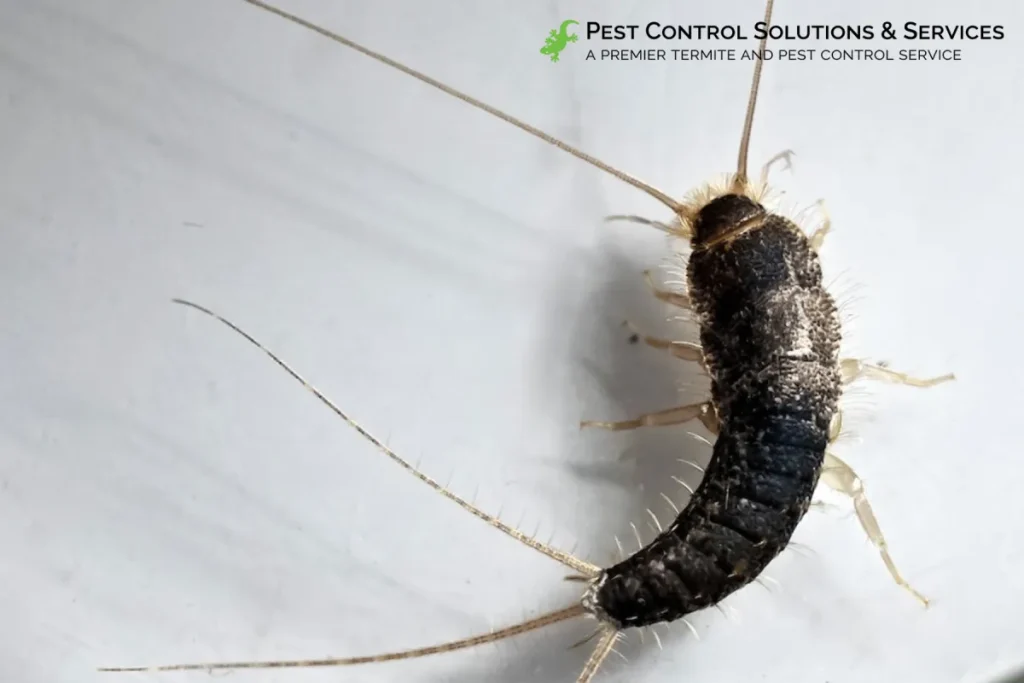
Silverfish are small, fast-moving insects with a tapered body, long antennae, and a silver or gray appearance. They often move quickly when disturbed and tend to hide during the day.
A technician may look for live silverfish, shed skins, droppings, and damage to materials such as paper, book bindings, wallpaper, cardboard, and certain fabrics. They may also check for moisture problems and other conditions that could support ongoing activity.
One sighting does not automatically mean your home has a large infestation. However, repeated sightings in several areas are a good reason to arrange an inspection.
How Is a Silverfish Inspection Different From a General Pest Inspection?
A general pest inspection looks for signs of different pests. A silverfish-focused inspection pays closer attention to the places where silverfish hide, the materials they may feed on, and the moisture conditions that can make an area more suitable for them.
| Inspection focus | Silverfish inspection | General pest inspection |
| Main purpose | Identify silverfish activity and favorable conditions | Look for signs of a range of pests |
| Moisture checks | Pays close attention to damp or humid areas | Depends on the pest being investigated |
| Possible food sources | Checks paper goods, cardboard, and other suitable materials | Varies by pest type |
| Hiding places | Checks cracks, storage spaces, and sheltered areas | Focuses on areas relevant to the pests found |
| Prevention advice | May include moisture control, better storage, and sealing gaps | Depends on the inspection findings |
A focused inspection helps the technician decide which areas need attention. If other pests are present, the technician may recommend a broader assessment.
For homeowners looking for pest control in Palm Harbor, FL, a thorough inspection can help identify the conditions behind silverfish activity before a treatment plan is chosen.
How Do Technicians Choose the Right Silverfish Treatment?
After inspecting the property, the technician uses the findings to recommend an appropriate treatment approach. The plan may depend on where silverfish are appearing, how often they are seen, and whether moisture or storage issues are contributing to the problem.
What Factors Affect the Treatment Plan?
Several factors may influence the recommendation:
- Location of activity: Silverfish found in one storage area may need a different approach from repeated sightings across several rooms.
- Moisture conditions: Leaks, damp surfaces, and poor ventilation may need to be addressed alongside pest treatment.
- Available hiding places: Cracks, gaps, and cluttered areas may affect where treatment is appropriate.
- Household needs: The technician should consider children, pets, and any areas that require special care.
- Prevention needs: Better storage, reduced clutter, and repairs may help make the property less suitable for silverfish.
What Is the Difference Between Targeted Treatment and Prevention?
Targeted treatment addresses identified pest activity, while prevention focuses on reducing conditions that may attract or shelter silverfish.
| Approach | Purpose | What homeowners should know |
| Targeted treatment | Addresses silverfish activity in suitable areas | The method depends on the inspection findings |
| Preventive steps | Reduce favorable hiding and feeding conditions | May include cleaning, better storage, and moisture control |
| Home repairs | Address leaks, cracks, and other contributing conditions | Some repairs may require a separate professional |
These steps work together. Treatment can address active pest concerns, while changes to moisture and storage can help reduce the chance of recurring activity.
What Should Homeowners Do Before a Treatment Visit?
Preparing your home helps the technician reach the areas that need inspection and treatment. You do not necessarily need to empty every cabinet or move all your furniture. Follow the instructions provided for your appointment.
Before the visit:
- Clear access to key areas. Move belongings away from walls, plumbing, and storage spaces when practical.
- Point out recent sightings. Tell the technician where you found silverfish and how often you have seen them.
- Mention leaks or damp areas. Report moisture concerns, even if they seem minor.
- Discuss household needs. Let the technician know about pets, children, and any access restrictions.
- Follow preparation instructions. Requirements may vary depending on the products and treatment methods used.
During the visit, ask which areas will receive treatment, why they were selected, and what you should do afterward. Clear instructions help you understand the process and follow any necessary precautions.
Applying Our Green and Safe Pesticides and Personalized Solutions to Silverfish Control
Pest Control Solutions & Services focuses on inspecting the property, identifying pest activity, and selecting a treatment approach that fits the situation. This reflects the company’s commitment to personalized service rather than using the same plan for every home.
Green and safe pesticides describe the company’s focus on carefully selected products and responsible treatment practices. The technician considers the pest, the areas involved, and the needs of the household when deciding how to apply treatment. Homeowners should still follow all product-specific safety instructions, since no treatment product should be assumed to be risk-free.
Personalized solutions mean the treatment plan is based on the property’s actual conditions. For example, silverfish activity near a damp bathroom may call for different recommendations from activity around stored books or cardboard boxes. The technician can explain which areas need attention and whether moisture control, better storage, or repairs should be part of the plan.
PCSS also emphasizes technician training and ongoing education. According to the company’s service information, its technicians receive hands-on and other training, with monthly training to help keep their knowledge current.
What Should Homeowners Ask About Treatment Safety?
Before the visit ends, ask the technician:
- Which areas will be treated, and why?
- Do I need to move or cover any belongings?
- What precautions should I follow for children and pets?
- When can I use the treated areas again, if restrictions apply?
- What should I watch for after treatment?
- When should I contact the company if silverfish activity continues?
The answers should reflect the specific treatment used at your property. Following the technician’s instructions helps you understand how to manage the treated areas safely.
How Can Homeowners Help Prevent Silverfish From Returning?
Treatment is only one part of silverfish management. Reducing moisture and limiting access to suitable hiding places can help make your home less inviting to these pests.
- Fix leaks promptly. Check faucets, pipes, and other areas where moisture collects.
- Improve ventilation. Use suitable ventilation in bathrooms and laundry rooms where dampness persists.
- Store paper goods carefully. Keep books, documents, and cardboard in dry, organized spaces.
- Reduce clutter. Leave enough room to clean and inspect storage areas.
- Seal suitable gaps. Repair cracks and openings where practical, especially around pipes and baseboards.
- Monitor activity. Note where silverfish appear after treatment and share recurring concerns with your pest control provider.
In Palm Harbor, Florida, warm and humid conditions can make moisture management an important part of home maintenance. However, the best prevention steps depend on the conditions found inside each property.
Myth vs. Fact: Seeing One Silverfish Means the Problem Is Minor
Myth: If you see only one silverfish, there is no need to check for other activity.
Fact: One sighting cannot tell you how many silverfish may be hiding elsewhere. These insects often stay in sheltered spaces, so a technician considers other signs, the location of sightings, and the conditions inside the home before recommending treatment.
The opposite is also true: one sighting does not automatically mean you have a serious infestation. An inspection gives you a clearer picture of the situation and helps determine whether treatment is needed.
What Happens After a Silverfish Treatment Visit?
Before leaving, the technician should explain the work completed, any precautions to follow, and the steps that may help prevent future activity.
After the visit, homeowners should:
- Follow the treatment and re-entry instructions provided.
- Address recommended moisture or storage concerns.
- Watch for new sightings and note where they occur.
- Avoid disturbing treated areas when instructed not to do so.
- Contact the provider if activity continues or a follow-up assessment is recommended.
Results and timelines vary depending on the treatment method and the conditions inside the home. If you continue to see silverfish, contact your provider so the situation can be reviewed and any additional steps can be discussed.
People Also Ask: Silverfish Inspection and Treatment
How Long Does a Silverfish Inspection and Treatment Visit Take?
The time required depends on the size of the property, the number of areas that need inspection, and the recommended treatment. Ask your provider about the expected appointment length when scheduling.
Do Homeowners Need to Leave During Silverfish Treatment?
That depends on the products and methods used. Your technician should explain whether people or pets need to stay away from certain areas and when they can return. Always follow the instructions given for your specific treatment.
Will Silverfish Disappear Immediately After Treatment?
Not always. Results depend on the treatment approach and the conditions supporting silverfish activity. Follow your technician’s guidance on monitoring and reporting continued sightings.
Why Do Silverfish Keep Appearing in Bathrooms or Storage Areas?
Silverfish may favor humid, sheltered spaces and can feed on materials such as paper and cardboard. Persistent moisture, clutter, and undisturbed storage may provide suitable hiding places.
Is Professional Silverfish Treatment Enough Without Fixing Moisture Problems?
Treatment can address active silverfish, but unresolved leaks, dampness, and suitable hiding places may contribute to recurring activity. Combining treatment with practical prevention steps can provide a more complete approach.
When Should Homeowners Schedule a Professional Silverfish Inspection?
Consider an inspection if silverfish appear repeatedly, show up in several rooms, or cause damage to books, paper goods, or stored items. A professional assessment can help identify the problem and explain the next steps.
Schedule a Silverfish Inspection With Pest Control Solutions & Services
Finding silverfish in your home can be frustrating, especially when they keep appearing in places you have already cleaned. Pest Control Solutions & Services takes a hands-on approach to identifying pest activity, explaining treatment options, and helping homeowners understand how to reduce the conditions that attract silverfish.
If you are looking for Palm Harbor pest control, our team can discuss your concerns and help you determine the right next step. We focus on clear communication, personalized recommendations, and treatment plans based on your property’s needs.
Call us today to request a consultation or pest inspection. You can also visit our silverfish control page to learn more about our approach.