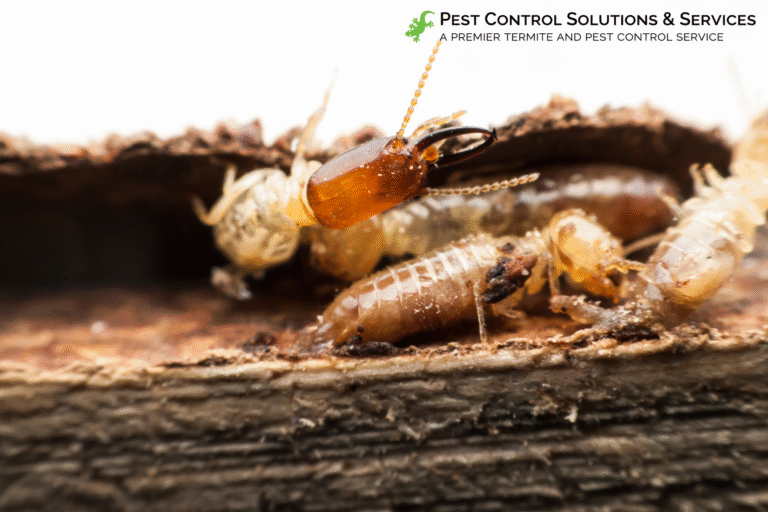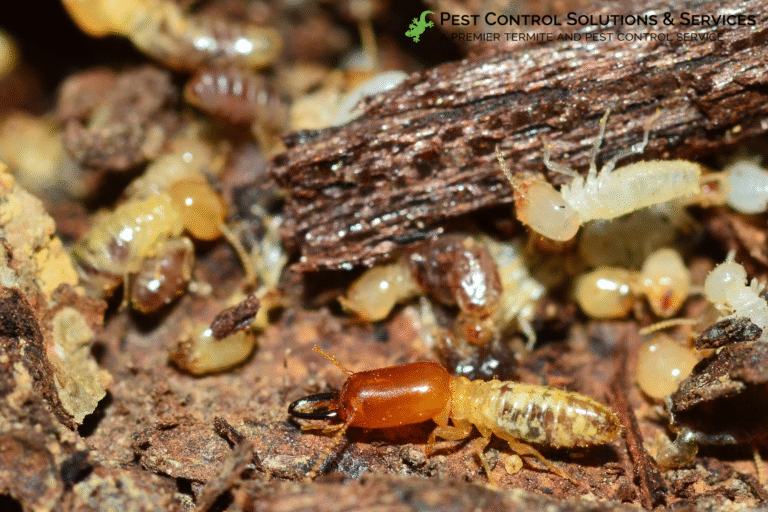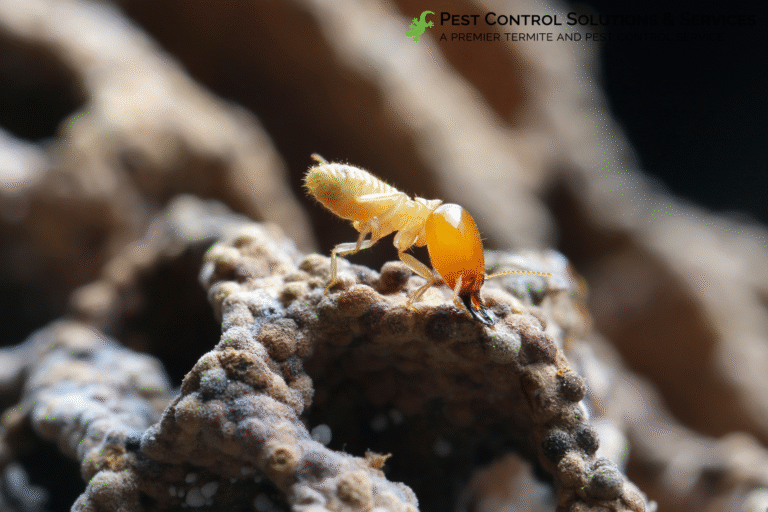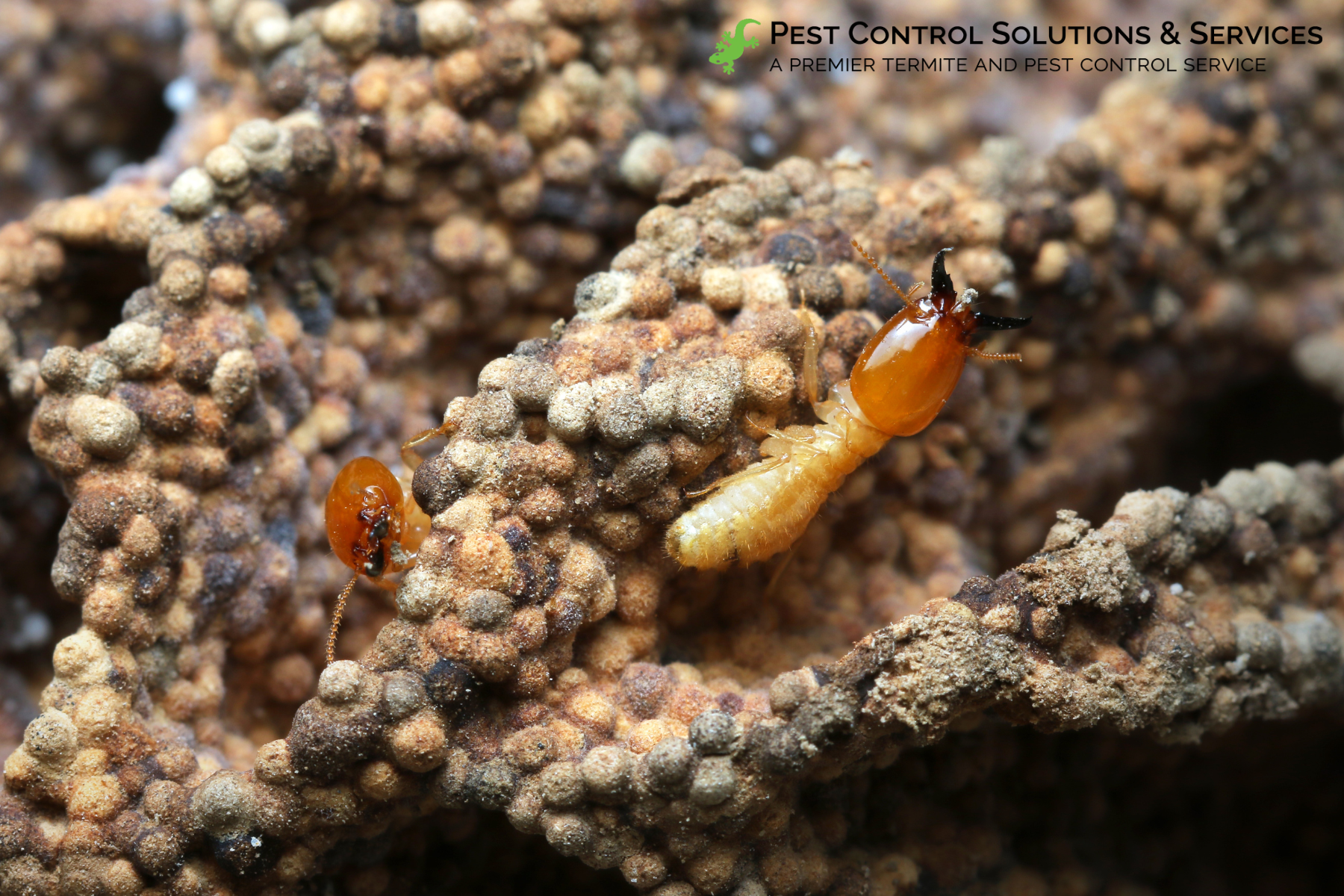
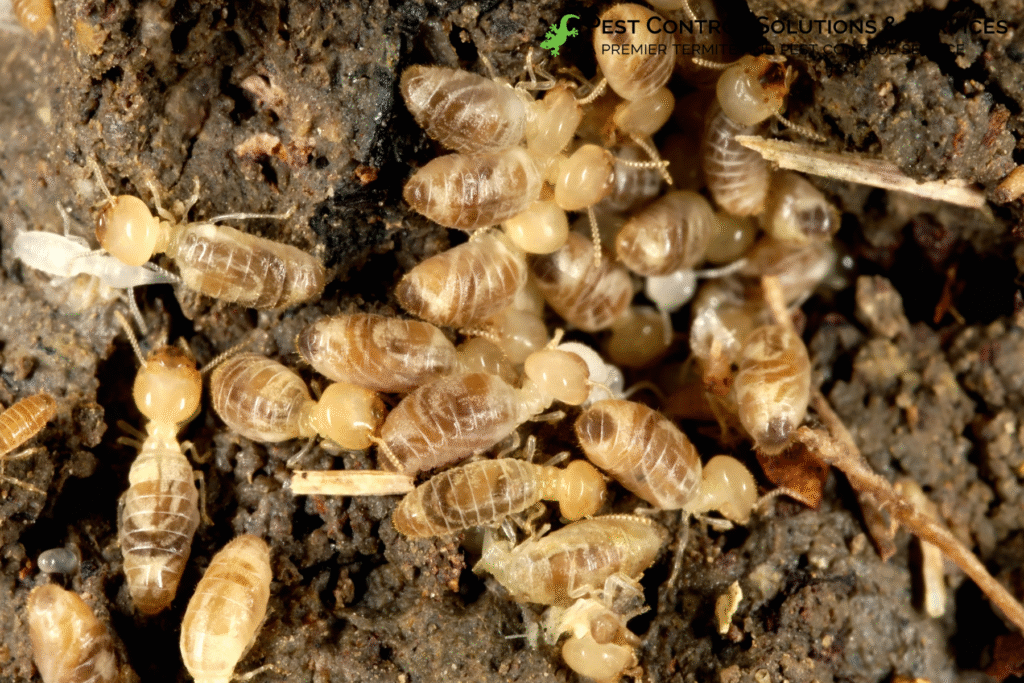
If you are wondering what do baby termites look like, they are tiny, pale insects with soft bodies, six legs, and straight antennae that resemble miniature adult termites. These tiny baby termites are often found hidden inside wood or soil near an active termite colony.
Although termite babies may seem small and harmless, their presence usually means a colony is already established nearby. Spotting baby termites inside your home can be an early warning sign of a growing infestation that may lead to structural damage if left untreated.
For homeowners dealing with termite activity, contacting professionals who provide solutions that can help identify the problem early and protect your property from costly damage.
What Are Baby Termites
Often called termite nymphs or larvae, baby termites are newly hatched members of a termite colony. These young termites eventually grow into workers, soldiers, or reproductive swarmers.
At this early stage, termite babies are still developing and have not yet been assigned a specific role within the colony.
They are typically:
• Pale white or translucent
• Soft-bodied
• Small and oval-shaped
• Found clustered together in wood or soil
Because they are still developing, tiny baby termites can sometimes be mistaken for maggots or other insect larvae. However, their six legs and straight antennae distinguish them from other pests.
Baby Termites Size and Physical Characteristics
One of the most common questions homeowners ask is about baby termites size.
Most baby termites measure around 1/10 of an inch or smaller, making them extremely difficult to notice unless you are actively inspecting damaged wood.
Key identifying features include:
Color: Creamy white to translucent
Size: Approximately 1/10 inch or smaller
Body: Long oval shape with soft exterior
Legs: Six small legs near the head
Antennae: Straight and bead-like
Because of their small size and pale color, tiny baby termites are often hidden deep inside wooden structures where they remain protected from light and predators.
The Life Cycle of Termites
Understanding the termite life cycle helps explain why finding baby termites is a serious warning sign.
Termites develop through several stages:
Egg
Larvae (baby termites)
Nymph
Adult termite
As termite babies grow, they molt several times before developing into specialized roles within the colony.
Some become worker termites responsible for feeding and building tunnels. Others become soldiers that defend the colony, while some develop into reproductive swarmers that start new colonies.
A single termite colony can eventually contain thousands or even millions of termites, which is why early detection is so important.
Baby Termites vs Ants
Many homeowners mistake tiny baby termites for ants or other insects.
Here are the key differences that can help identify them correctly.
Feature | Termites | Ants
Waist | Thick and straight | Narrow waist
Antennae | Straight | Bent
Color | Pale white | Dark brown or black
Wings | Equal length | Uneven lengths
Because baby termites are so small and pale, they are often mistaken for larvae from other insects.
If you are unsure what you are seeing, a professional exterminator in Wesley Chapel can inspect the property and confirm whether termites are present.
Signs You May Have Baby Termites in Your Home
Seeing termite babies is often only one of several warning signs of a termite infestation.
Other signs may include:
Mud tubes along walls or foundations
Hollow-sounding wood
Discarded wings near windows or doors
Small piles of termite droppings
Damaged wooden structures
If you notice baby termites along with these symptoms, it may indicate a mature colony already exists within the structure.
Homeowners should contact a professional pest control in Wesley Chapel, FL, to inspect the property and determine the best treatment approach.
Why Baby Termites Should Never Be Ignored
While they may appear harmless, baby termites can quickly grow into worker termites that actively feed on wood and other cellulose materials.
Here is why spotting termite babies should always be taken seriously.
Early Warning of Infestation
Finding tiny baby termites may be the first visible clue that termites are already living inside your walls or foundation.
Rapid Colony Growth
Termite queens can lay thousands of eggs, meaning the population can grow rapidly if the infestation is not treated.
Structural Damage
As baby termites mature into workers, they begin feeding on wood framing, flooring, and structural supports.
Without treatment, termite damage can lead to costly repairs and compromised building integrity.
Common Places to Find Baby Termites
Because they prefer dark and moist environments, tiny baby termites are most often found in areas such as:
Inside wooden walls or flooring
Behind baseboards
Near foundation cracks
In crawl spaces or basements
Under mulch or wooden debris outside the home
These hidden environments provide the moisture and protection termites need to survive.
If you discover baby termites size insects in any of these locations, it is important to schedule an inspection immediately.
Professional Termite Treatment Options
Termites rarely disappear on their own, which is why professional treatment is necessary to eliminate the colony.
Many termite infestations in Florida are caused by subterranean termites that build underground colonies. Professional Subterranean Termite Services are designed to target these colonies before they cause extensive damage.
At Pest Control Solutions & Services, our termite treatments include advanced solutions such as:
Trelona ATBS termite baiting systems
Termidor H.E trench and treat method
These treatments target the colony directly and provide long-term protection for your property.
Working with experts who provide pest control in Wesley Chapel ensures termite activity is addressed effectively and safely.
How to Prevent Termites in Your Home
While termites are common in Florida, there are several steps homeowners can take to reduce the risk of infestation.
Helpful prevention strategies include:
Reducing moisture around the foundation
Repairing leaks and drainage problems
Keeping wood and mulch away from the foundation
Scheduling annual termite inspections
Preventative inspections by a qualified exterminator can detect early-termite activity before serious damage occurs.
Why Choose Pest Control Solutions & Services
Pest Control Solutions & Services offers professional termite inspections and long-term pest management solutions.
Our team is committed to delivering treatments that are effective, environmentally responsible, and safe for families and pets.
What makes our service different:
Rigorous technician vetting, including background checks and drug screening
Continuous technician training on the latest pest control methods
Customized treatment plans based on each property
Transparent communication and responsive service
Whether you are dealing with baby termites, swarmers, or an established infestation, contact our team for the expertise you need to protect your home.
Frequently Asked Questions
What do baby termites look like
Baby termites are tiny white insects with soft bodies, six legs, and straight antennae. They resemble miniature adult termites but do not yet have wings.
How big are baby termites
The typical baby termites size is around one tenth of an inch or smaller, which makes them difficult to spot without close inspection.
Are baby termites dangerous?
While tiny baby termites do not cause damage immediately, they quickly grow into worker termites that feed on wood and structural materials.
Where are baby termites usually found?
Termite babies are usually found inside wood, underground tunnels, or areas with high moisture, such as crawl spaces or basements.
What should I do if I see baby termites?
If you discover baby termites inside your home, contact a professional provider of pest control to schedule a termite inspection and treatment plan.
Other related blogs:
What does termite damage look like?