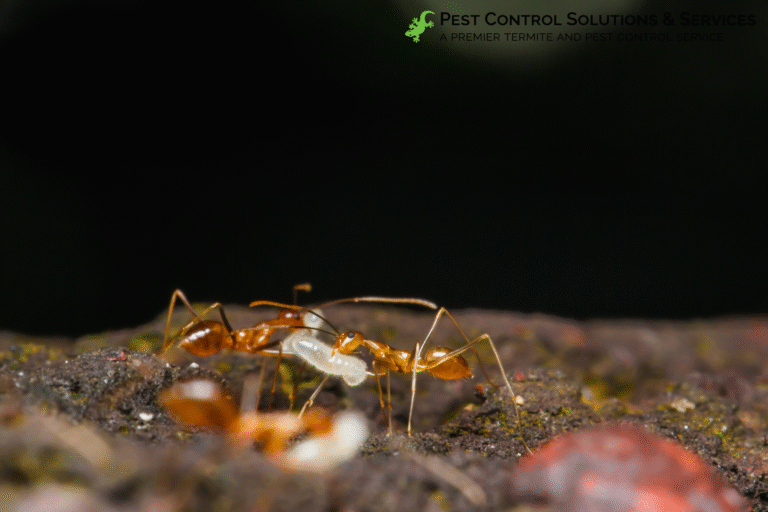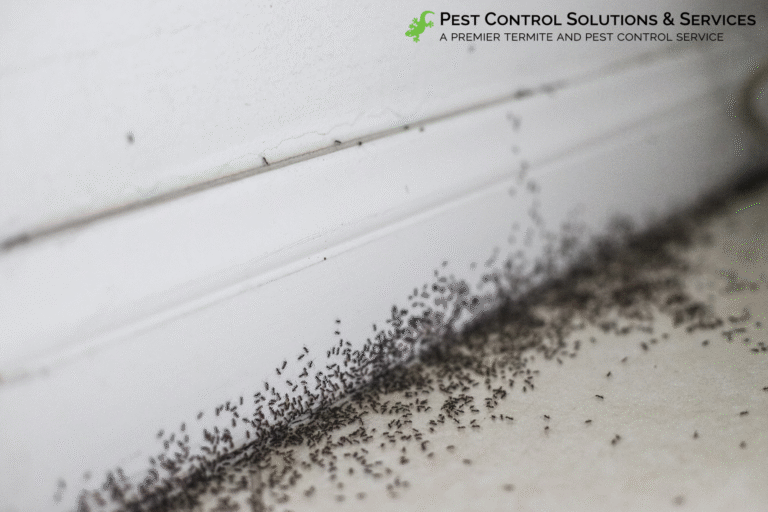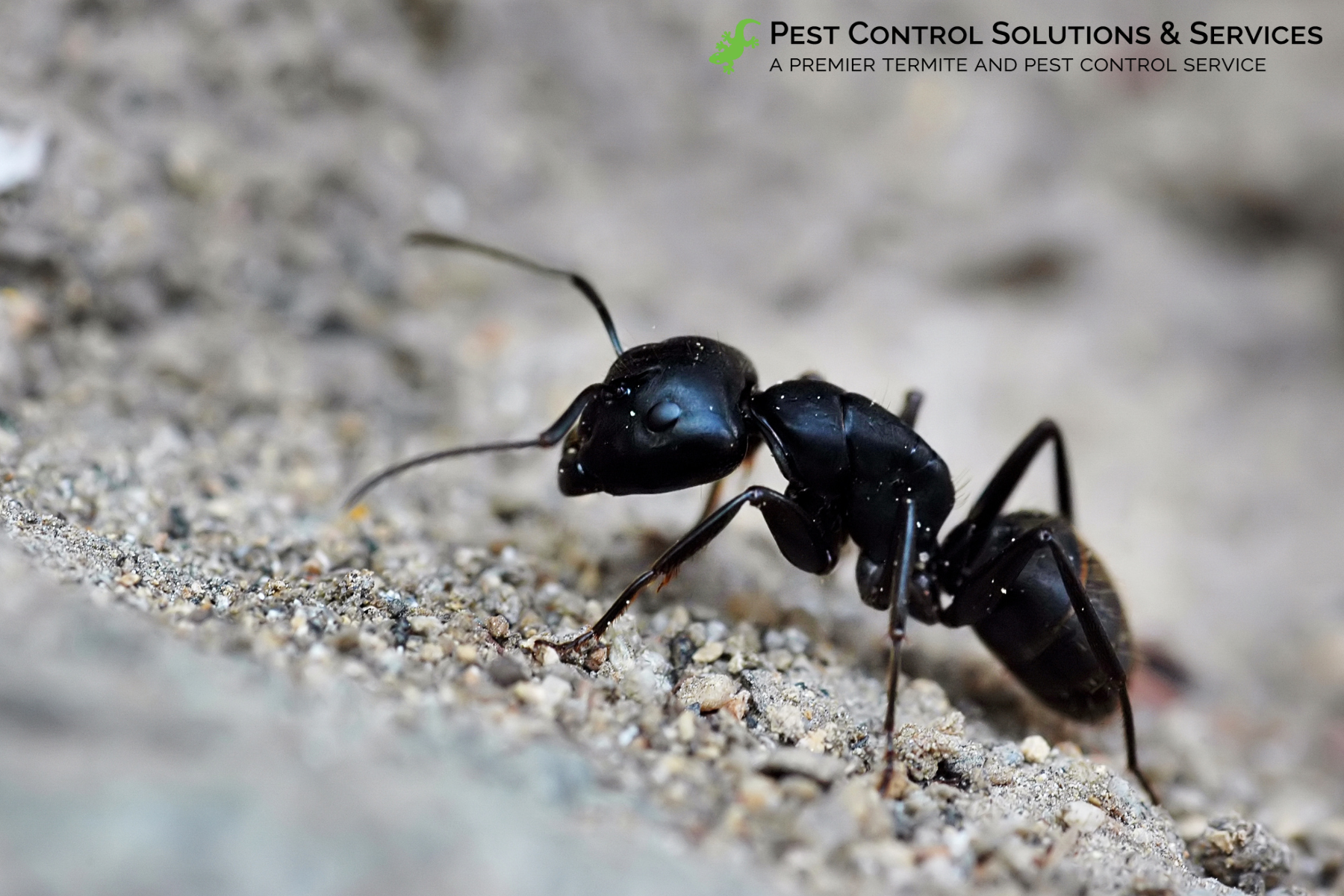
A carpenter ant infestation occurs when large ants tunnel into the wood structures of your home, causing potential damage. Carpenter ants don’t eat the wood; they excavate it to create smooth tunnels where they build their colonies. These ants are attracted to moist, decaying wood but can also infest sound wood and insulation. Early detection of signs of carpenter ants in house is crucial to prevent costly repairs and structural damage. For expert help, contact pest control Hudson FL to address any infestations before they worsen.
5 Key Signs of Carpenter Ants in Your House
- Rustling Sounds in Walls
Carpenter ants are nocturnal and often make subtle rustling noises at night as they move through wood. This sound typically comes from within walls, ceilings, or floors as they tunnel. Hearing this noise is one of the first damage signs of carpenter ants in house. - Presence of Frass (Sawdust-like Material)
Carpenter ants push out wood shavings, soil, and insect body parts from their tunnels, creating frass. If you see piles of frass near wooden items or along baseboards, it’s a strong sign that carpenter ants have nested inside the walls or furniture. - Winged Ants (Swarmers)
During the mating season in the spring or early summer, carpenter ants send out winged swarmers to start new colonies. These ants are often mistaken for termites. If you find winged carpenter ants or discarded wings near windows, light fixtures, or walls, it indicates the presence of a nearby colony. - Visible Ant Trails
Carpenter ants can forage long distances from their nests in search of food. If you notice visible trails of large ants moving toward your kitchen, pantry, or other food sources, there may be a nest nearby. This is a strong indicator of a carpenter ant infestation. - Hollow-Sounding Wood
Tapping or knocking on wooden surfaces that sound hollow could indicate that carpenter ants have hollowed out the wood inside. If beams, door frames, or furniture feel weak or produce a hollow sound, it’s time to investigate for hidden nests.
Do Carpenter Ants Bite?
Yes, carpenter ants do bite. While they aren’t venomous, their bites can be painful due to their strong mandibles. In some cases, they may also inject formic acid, causing a mild burning sensation. Although their bites are not dangerous, the presence of carpenter ants should be addressed quickly to prevent further damage. Contact a Hudson pest exterminator to handle the infestation before it causes more harm to your home.
Why Are Carpenter Ants Attracted to Homes?
Carpenter ants are primarily attracted to homes due to food, moisture, and shelter. Here’s why they might invade: For effective ant control, addressing these factors is key.
- Moisture: Leaky pipes, roof leaks, or damp wood create the ideal environment for nesting.
- Wooden Structures: Porches, decks, and wood siding are attractive nesting sites.
- Accessible Food: Carpenter ants forage for sugary snacks, pet food, and crumbs.
Once inside, they may nest in wall voids, insulation, hollow doors, or behind baseboards.
Steps to Prevent Carpenter Ants from Infesting Your Home
- Fix Moisture Issues
Repair any leaks around pipes, roofs, or windows. Moisture in wood is one of the primary attractants for carpenter ants. - Seal Entry Points
Check for gaps around windows, doors, and vents that ants can use to enter your home. Sealing these gaps can prevent them from getting inside. - Regularly Inspect Wooden Structures
Periodically inspect your home’s wooden structures for signs of damage, such as soft spots, hollow sounds, or visible frass. Early detection can save you from costly repairs. For thorough inspections and effective treatments, contact pest control Hudson to protect your home from carpenter ants. - Keep the Home Clean
Store food in sealed containers, clean up crumbs, and don’t leave pet food out to minimize food sources that attract ants.
Conclusion
Carpenter ants can cause significant damage if left unchecked, especially to wooden structures and insulation. Spotting the signs of carpenter ants in house early is essential to prevent structural harm and costly repairs. If you notice signs such as rustling, frass, or hollow-sounding wood, it’s time to call Pest Control Solutions and Services for professional pest control.
If you’re dealing with carpenter ants in Hudson, FL, don’t wait; consult with a local exterminator for a thorough inspection and treatment. Our expert team is ready to protect your home from further damage. Call us today for fast and reliable pest control services in Hudson, FL.
FAQ – People Also Ask
What are the signs of carpenter ants in the house?
Signs of carpenter ants in your house include rustling sounds in walls, frass (wood dust), visible ant trails, winged ants, and hollow-sounding wood. Early detection is essential to prevent structural damage.
How do you tell the difference between carpenter ants and termites?
Carpenter ants have elbowed antennae and are typically black or reddish, while termites have straight antennae and are lighter in color. Carpenter ants tunnel through wood, but termites eat it.
Do carpenter ants damage drywall?
Yes, carpenter ants can damage drywall if they nest inside your walls. Damage signs of carpenter ants in the house include hollow wood and frass.
Can carpenter ants live in drywall?
Carpenter ants can nest inside drywall if it’s damp or if there’s moisture in the wood behind it. Drywall signs of carpenter ants include soft spots, frass, or hollow-sounding areas where they’ve tunneled.
How can I prevent carpenter ants from entering my home?
Prevent carpenter ants by fixing moisture issues, sealing cracks, inspecting wooden structures regularly, and keeping food sources cleaned up. Professional pest control can also help safeguard your home year-round.
Do carpenter ants bite humans?
Yes, carpenter ants can bite if threatened, but their bites are not dangerous. They may also release formic acid, which can cause mild irritation or a burning sensation.