Where Should You Place Silverfish Traps in an Apartment for Better Results?
Silverfish traps work best when placed along walls and near areas where silverfish are likely to travel or hide. In an apartment, prioritize damp spaces, plumbing access points, closets, and storage areas. Placing traps near recent sightings can help you identify where activity is concentrated and determine whether additional steps are needed.
However, putting traps in random corners may not provide useful results. Their placement should reflect the apartment’s layout, moisture conditions, and signs of silverfish activity. Understanding where these pests hide and how they move can help make monitoring more effective.
Where Should You Place Silverfish Traps in an Apartment?
The most useful locations are usually dark, quiet areas close to moisture, food sources, or potential hiding spots. Silverfish tend to avoid open, brightly lit spaces, so placing traps along walls and near sheltered areas can improve the chances of intercepting them.
Consider these locations when setting up traps:
| Apartment Area | Recommended Trap Placement | Why It Matters |
|---|---|---|
| Bathroom | Along the wall beneath the sink or near plumbing access points | Moisture and dark spaces can attract silverfish |
| Kitchen | Inside suitable cabinet areas or along walls near recent sightings | Food residue, paper packaging, and moisture may provide favorable conditions |
| Bedroom closet | Along the wall near stored clothing, cardboard, or paper items | Silverfish can feed on materials containing starch and other carbohydrates |
| Laundry area | Near plumbing connections and damp corners | Moisture can make these areas attractive hiding places |
| Bookshelves and storage areas | Along wall edges near books, paper, and cardboard boxes | These materials can provide food and shelter |
| Utility or storage closet | Near baseboards and concealed corners | Undisturbed spaces may allow silverfish to remain hidden |
Always follow the trap manufacturer’s placement instructions. Some products are designed for specific surfaces or locations, and not every trap is suitable for every apartment area.
1. Bathroom: Focus on Plumbing and Moisture
Bathrooms are among the first places worth checking because silverfish prefer humid environments. Look beneath the sink, around plumbing access points, and near areas where moisture regularly collects.
Place traps along the wall rather than directly in the middle of the floor. If you have noticed silverfish near the bathtub, toilet, or vanity, position a suitable trap close to that area without exposing it to water.
Also check for dripping faucets, leaking pipes, condensation, and damp cabinets. Traps can help monitor activity, but reducing excess moisture addresses one of the conditions that may support silverfish.
2. Kitchen: Check Cabinets and Dark Corners
Silverfish may enter kitchens in search of food and shelter. They can feed on starchy materials, including crumbs, paper products, and certain food residues.
Consider placing traps along cabinet edges or near areas where you have recently spotted silverfish. Check spaces beneath the sink, behind stored items, and around pantry shelving.
Avoid placing traps directly beside food preparation surfaces or where they could come into contact with food. Keep food in sealed containers, clean crumbs promptly, and address plumbing leaks that may create damp conditions.
3. Bedroom Closets: Monitor Stored Fabrics and Paper
Closets can provide dark, undisturbed hiding places, especially when they contain cardboard boxes, paper, or stored fabrics. Silverfish may damage certain natural-fiber materials and items containing starch.
Place traps along the closet wall near the floor, particularly close to storage containers or areas where you have noticed damage. Avoid placing them where clothing or stored belongings will constantly cover them.
For better monitoring, reduce clutter and use sealed plastic storage containers when appropriate. Keeping stored items dry and allowing air to circulate can also make the space less favorable to silverfish.
4. Laundry Areas: Check Damp Corners
Laundry spaces often contain plumbing connections, washing machines, and areas where moisture can accumulate. These conditions may attract silverfish if leaks or poor ventilation are present.
Place traps near wall edges and plumbing areas where there are signs of activity. Do not position them where water from appliances, cleaning, or routine maintenance could damage them.
Inspect hoses, drain connections, and nearby surfaces for leaks. If moisture keeps returning despite regular cleaning, notify your property manager or maintenance team.
5. Bookshelves and Storage Spaces: Protect Paper Materials
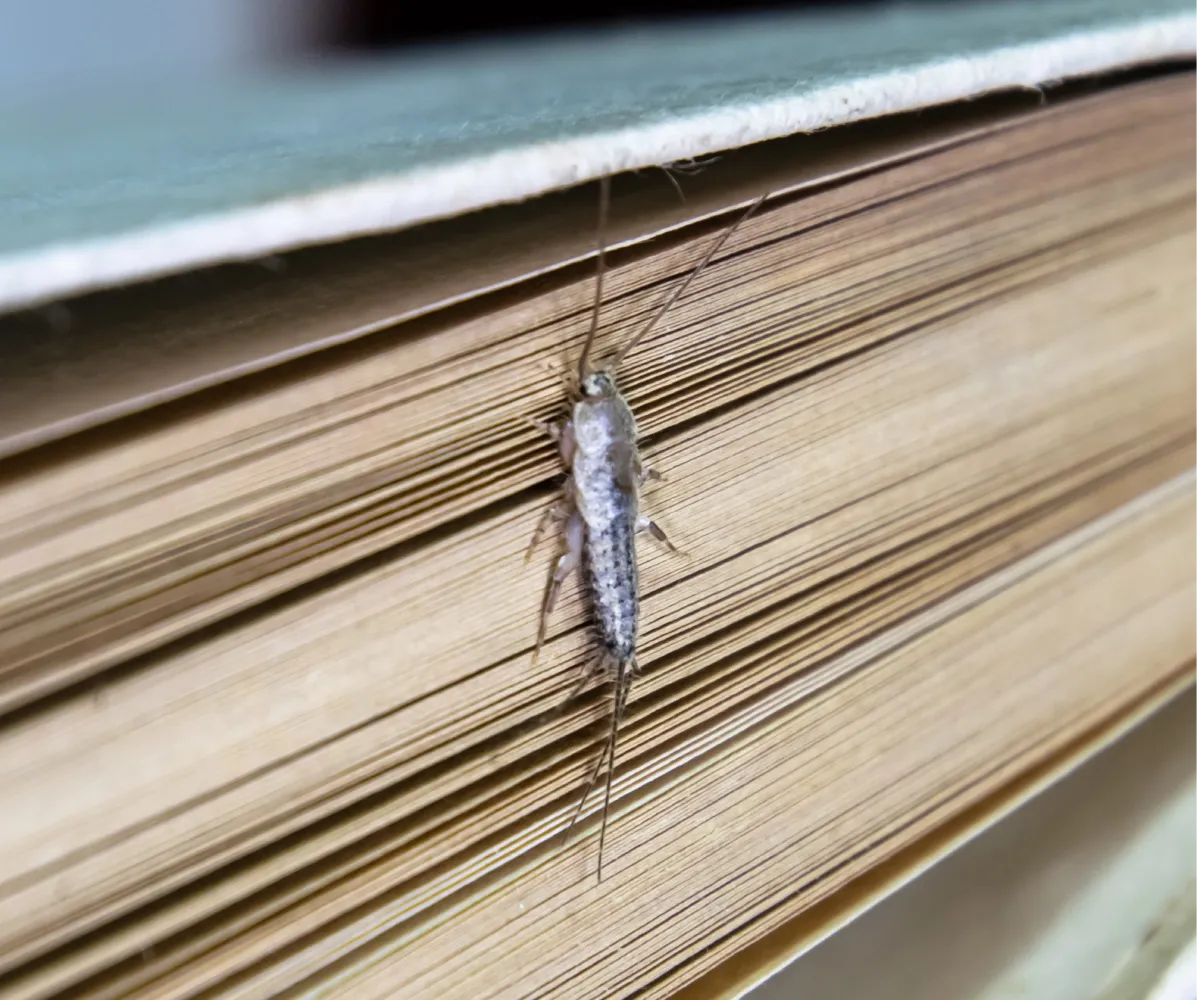
Silverfish can feed on paper, book bindings, cardboard, and other materials containing starch or cellulose-based components. This makes bookshelves, storage closets, and boxes worth monitoring.
Place traps along the wall near affected shelves or storage areas. If you notice irregular holes, surface scraping, or other unexplained damage to paper materials, inspect the surrounding space for additional signs.
Keep books and documents in dry areas, avoid storing unnecessary cardboard, and leave enough space between storage items and walls for routine inspection.
How Do You Choose the Best Spot for Each Trap?
Room selection is only the first step. The exact placement should be based on evidence of silverfish activity rather than assumptions about where they might be hiding.
Use these factors to identify suitable locations:
- Recent sightings: Prioritize places where you have actually seen silverfish, especially if sightings happen repeatedly.
- Wall edges and corners: Place traps near baseboards and along likely travel paths, following the product instructions.
- Moisture sources: Check under sinks, around pipes, and near condensation or leaks.
- Possible food sources: Look near paper, cardboard, book collections, and other materials that may attract silverfish.
- Signs of activity: Inspect for shed skins, droppings, or damage to paper and stored belongings.
Avoid moving traps repeatedly without a reason. Keeping them in consistent locations makes it easier to compare results over time and identify areas with recurring activity. If silverfish activity continues despite proper placement and monitoring, professional pest control in New Port Richey, FL may help identify the underlying problem and determine the next steps.
Use Recent Sightings to Guide Placement
A trap placed near a confirmed sighting may provide more useful information than one placed in an unrelated room. For example, if silverfish repeatedly appear beneath the bathroom sink, start by monitoring that area.
If you see them near a bedroom closet, inspect the stored materials and nearby wall edges before deciding where to place additional traps.
This approach helps narrow down the areas that deserve closer attention instead of distributing traps randomly throughout the apartment.
How Many Silverfish Traps Should You Use in an Apartment?
There is no universal number of traps that works for every apartment. The appropriate amount depends on the size and layout of the unit, the number of areas showing activity, the type of trap, and the manufacturer’s instructions.
A small apartment with activity limited to one bathroom may require a different monitoring setup from a larger unit with sightings in several rooms.
Rather than focusing on a fixed number, consider these guidelines:
- Start with the areas where silverfish have been seen.
- Prioritize rooms with moisture, plumbing, or potential food sources.
- Add monitoring points when activity appears in separate areas.
- Follow the product label for the recommended number and placement of traps.
- Keep a record of where each trap is positioned and when it was checked.
More traps do not automatically mean better results. Correct placement and consistent monitoring are more useful than using an excessive number of products without a clear plan.
How Can You Tell If Silverfish Traps Are Working?
Traps can help reveal whether silverfish are active in particular areas. However, catching insects is only one part of evaluating the situation.
Check traps according to the manufacturer’s instructions and look for patterns over time. Record the location, inspection date, and number of silverfish caught, if any.
These observations can help you determine whether activity is concentrated in one room or appearing in multiple areas.
Signs That Your Monitoring Is Providing Useful Information
- Repeated catches in one area: This may indicate that silverfish activity is concentrated near that location.
- Catches in different rooms: This suggests that monitoring should extend beyond a single hiding area.
- Fewer catches over time: This may indicate reduced activity, although it does not prove that all silverfish are gone.
- No catches despite sightings: The trap may not be positioned along the insects’ travel paths, or the product may not be suitable for the situation.
An empty trap does not necessarily mean an apartment is free of silverfish. These insects can remain concealed in cracks, storage spaces, and other locations that traps may not reach.
If you continue seeing silverfish, reassess the placement and inspect nearby areas for moisture and possible hiding spots.
What Mistakes Make Silverfish Traps Less Effective?
Even a suitable trap may provide limited results when it is placed incorrectly or used without addressing the conditions attracting silverfish.
Avoid these common mistakes:
Placing Traps in Open Areas
Silverfish often prefer dark, sheltered spaces. A trap placed in the center of a brightly lit room may not be positioned where the insects are most likely to travel.
Move monitoring points closer to wall edges, baseboards, and confirmed activity areas, provided the product instructions allow it.
Ignoring Moisture Problems
Traps cannot correct a leaking pipe, persistent condensation, or poor ventilation. If an area remains damp, silverfish may continue finding suitable conditions even when traps are present.
Inspect the source of the moisture and report maintenance issues to the property manager when necessary.
Using Traps Without Checking Them
Leaving traps unattended for long periods can make monitoring less useful. Follow the product’s inspection and replacement instructions so you can evaluate activity consistently.
Relying Only on Traps
Traps may catch individual silverfish, but they do not necessarily eliminate every insect or reach concealed hiding places. Cleaning, moisture management, proper storage, and inspection should support any trapping effort.
Overlooking Nearby Storage
Cardboard boxes, old papers, and clutter can provide shelter and potential food sources. Placing a trap nearby without addressing these materials may leave favorable conditions unchanged.
What Should Apartment Residents Do Alongside Trap Placement?
Silverfish management involves more than setting traps. Reducing moisture, limiting access to food sources, and keeping storage areas organized can help make an apartment less attractive to these pests.
Try these practical steps:
- Fix or report leaks: Address dripping faucets, damaged plumbing, and other sources of recurring moisture.
- Improve ventilation: Use bathroom exhaust fans when available and allow damp areas to dry after use.
- Reduce cardboard storage: Replace unnecessary cardboard boxes with suitable sealed storage containers.
- Protect paper items: Keep books, documents, and other paper materials in dry, organized spaces.
- Clean hidden areas: Vacuum along baseboards, beneath furniture, and around shelves where dust and debris collect.
- Seal accessible gaps: Report or address suitable openings around pipes, baseboards, and other potential entry points, depending on your rental agreement.
- Monitor recurring activity: Keep track of sightings and trap results to identify areas that need further inspection.
Renters should avoid making unauthorized structural changes. If you discover a leak, damaged wall, or opening around plumbing, document the issue and contact property management.
Why Does Moisture Control Matter in New Port Richey Apartments?
The humid conditions common in Florida can make moisture management especially important. Bathrooms, laundry areas, kitchens, and poorly ventilated storage spaces may retain moisture, creating conditions that silverfish can use for shelter.
Apartments in New Port Richey can benefit from regular checks for plumbing leaks, condensation, and damp storage areas. Even when traps are positioned correctly, persistent moisture may continue to make certain parts of a unit attractive to silverfish.
If moisture problems involve shared plumbing, walls, or building maintenance, coordinate with property management rather than attempting repairs outside your responsibility.
When Should You Contact a Pest Control Professional?
Consider professional assistance when silverfish sightings continue despite consistent monitoring and basic preventive steps. Repeated catches, recurring damage to stored belongings, or activity in multiple rooms may indicate that the problem requires a closer inspection.
Professional inspection can help identify potential hiding places, contributing moisture conditions, and areas that may be difficult to access with household traps.
A qualified technician can also determine whether the issue is limited to one part of the apartment or may involve adjoining spaces. This is particularly relevant in multi-unit buildings, where plumbing routes, wall openings, and shared structural areas can complicate pest management.
When comparing options for pest control in New Port Richey, look for a provider that can explain its inspection process, treatment recommendations, and any preparation steps residents should follow.
If activity persists, a professional can help determine whether additional measures are appropriate. Residents who need an exterminator in New Port Richey should also ask how the inspection will address concealed areas and moisture-related conditions.
Frequently Asked Questions About Silverfish Traps in Apartments
Where is the best place to put silverfish traps in an apartment?
Place traps along wall edges and near areas where silverfish have been seen, such as beneath sinks, inside suitable closet spaces, and near storage areas. Prioritize dark, damp locations and follow the manufacturer’s placement instructions.
Should silverfish traps be placed against walls?
Many silverfish traps are designed to be placed along walls or near edges where insects may travel. Check the product instructions to confirm the correct orientation and placement for the specific trap you are using.
How many silverfish traps should I use in an apartment?
The number depends on the apartment’s size, layout, and level of activity. Start with the rooms where silverfish have been observed and add monitoring points when there are separate areas of activity. Always follow the product label.
How often should I check silverfish traps?
Check traps according to the manufacturer’s instructions. Regular monitoring helps you identify where silverfish are being caught and whether activity changes over time.
Why are my silverfish traps empty even though I keep seeing silverfish?
The traps may be positioned away from the insects’ travel paths, or the silverfish may be hiding in areas the traps do not reach. Reassess placement near recent sightings and inspect nearby cracks, storage spaces, and damp areas.
Get Help With Persistent Silverfish Activity
Correct trap placement can help you monitor silverfish activity, but recurring sightings may point to conditions that household traps cannot address on their own. Pest Control Solutions and Services can help identify moisture sources, concealed hiding places, and possible access points to determine the appropriate next steps.
If silverfish continue appearing in your apartment, consider a professional inspection to understand the extent of the activity and identify appropriate control measures.
Contact us today to discuss your silverfish concerns and learn more about available pest management options.
LEARN MORE HERE:
What Do Silverfish Eggs Look Like?
Why Are Silverfish in My House? 5 Things Attracting Them Without You Knowing
Worried About Silverfish Bites? Here’s What You Really Need to Know