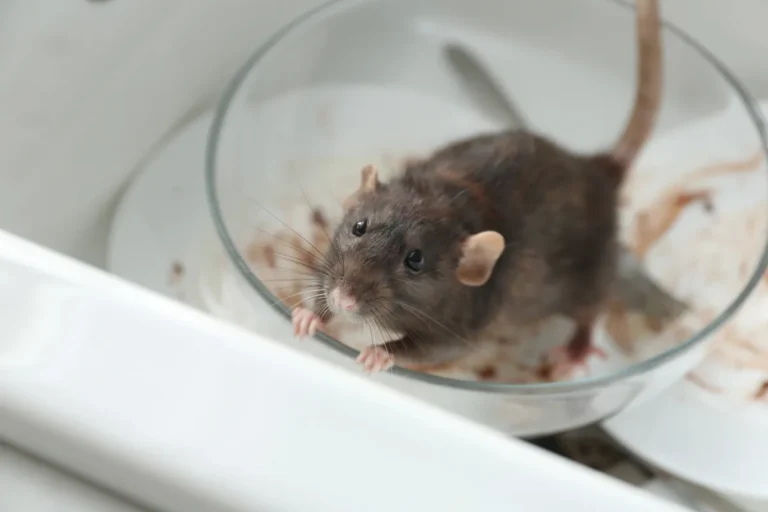
Professional rodent control may be necessary when you find repeated signs of activity, discover damaged wiring or extensive contamination, or continue seeing rodents despite reasonable prevention efforts. A professional inspection can help determine the extent of the problem, identify likely entry points, and establish appropriate next steps. Knowing when to seek help can prevent a manageable issue from becoming a more difficult problem.
What Signs Suggest You Have a Rodent Problem?
Rodents often stay hidden in walls, attics, crawl spaces, and storage areas. You may notice evidence of their presence before seeing a live mouse or rat. Recognizing these signs early can help you decide whether further investigation is needed.
Common indicators include:
- Droppings: Rodent droppings may appear near food storage, along walls, inside cabinets, or around suspected nesting areas.
- Scratching and scurrying sounds: Noises inside ceilings, walls, or floors may indicate rodent activity, particularly when the house is quiet.
- Gnaw marks: Chewed packaging, wood, plastic, and other materials may indicate that rodents are exploring or feeding in an area.
- Nesting materials: Shredded paper, fabric, and other soft materials may suggest that rodents are using a concealed space for nesting.
- Food contamination: Damaged packaging, missing food, or droppings near stored supplies can indicate rodent access.
- Unusual odors: Persistent musky odors may be associated with rodent activity, while stronger localized odors may have other causes, including a dead animal.
- Grease marks or repeated travel paths: In some cases, rodents leave marks along frequently used routes near walls or openings.
A single sign does not always confirm an active infestation. Scratching sounds, for example, can also come from squirrels or other wildlife. Look for multiple indicators and consider where and how frequently the evidence appears.
When Is a Rodent Problem Serious Enough to Need Professional Help?
Not every rodent sighting requires the same response. The decision to seek professional assistance depends on the frequency of activity, the areas affected, the presence of contamination or damage, and whether reasonable control measures are working.
Rodents Keep Returning After Trapping
If you continue finding fresh droppings or catching rodents after setting traps, the underlying problem may not be resolved. Additional rodents may remain in concealed spaces, or accessible entry points may still allow new ones to enter.
Repeated activity is a reason to reassess the situation rather than continuing to use the same approach without investigating why it is not working.
You Find Signs in Multiple Areas
Rodent evidence in several rooms, storage spaces, or building cavities may indicate that the problem extends beyond one isolated location. A more comprehensive assessment can help determine whether rodents are using multiple access routes or moving between connected spaces.
You Cannot Reach the Affected Areas Safely
Rodents may occupy attics, crawl spaces, wall cavities, and other areas that are difficult to inspect. Attempting to reach these spaces without appropriate equipment or experience can expose you to falls, electrical hazards, and contaminated materials.
A professional inspection is worth considering when the activity occurs in an inaccessible or unsafe location.
You Find Possible Electrical or Building Damage
Rodents can gnaw on wiring, insulation, and other building materials. Exposed or damaged wiring should be assessed promptly by a qualified electrician. Extensive insulation contamination or damage to inaccessible building components may also require specialized assistance.
Do not touch exposed wiring or attempt to repair electrical components as part of routine rodent control.
Can You Handle a Rodent Problem Yourself?
Some limited rodent problems may be manageable with careful prevention, appropriate traps, and attention to sanitation. However, DIY measures are less likely to resolve a recurring problem when the source of entry or the extent of activity remains unknown.
When DIY Measures May Be Reasonable
Basic measures may be appropriate when the signs are limited, the affected area is accessible, and there are no indications of significant contamination or hazardous damage.
You can begin by:
- Storing food and pet supplies in tightly sealed containers.
- Keeping garbage covered and cleaning up food debris.
- Reducing clutter that provides potential nesting or hiding places.
- Using suitable traps according to the manufacturer’s instructions.
- Inspecting accessible exterior areas for gaps and damaged materials.
- Monitoring for fresh droppings, new gnaw marks, and continued activity.
Keep traps inaccessible to children and pets. Use rodenticides only according to their labels and applicable requirements, and consider the risks to non-target animals.
When DIY Methods May Not Be Enough
Trapping may reduce rodent activity without resolving the underlying cause. If entry points remain open, rodents may continue entering the property. Similarly, sanitation improvements may reduce attractants but will not necessarily eliminate an established infestation.
If fresh signs continue to appear, reassess the likely access points and the areas affected. Professional assistance may be appropriate when the source cannot be identified, the activity persists, or the situation presents safety concerns.
What Risks Should You Never Ignore?
Some signs call for prompt action because they may involve hazards beyond the inconvenience of having rodents indoors.
Suspected Electrical Damage
Rodents can gnaw through wire insulation, potentially creating an electrical hazard. If you discover chewed or exposed wiring, avoid touching it and arrange an assessment by a qualified electrician.
Extensive Droppings or Contamination
Rodent urine, droppings, and nesting materials can contaminate surfaces and stored belongings. Large accumulations or heavily affected insulation may require more extensive cleanup than ordinary household cleaning.
Avoid sweeping or vacuuming dry droppings because doing so can disturb contaminated particles. Follow applicable public-health guidance for disinfection and protective equipment, and seek professional cleanup advice when contamination is extensive.
Rodents in Food Preparation or Storage Areas
Droppings, urine, and gnawing can contaminate food and food-contact surfaces. Discard food that may have been exposed to rodents, clean affected surfaces appropriately, and address any access points that allow rodents to reach stored supplies.
Persistent Activity in Concealed Spaces
Repeated noises or signs inside walls, ceilings, and other inaccessible areas can be difficult to investigate safely. Avoid opening building cavities without understanding the potential electrical, structural, or contamination risks.
An appropriate inspection can help determine where activity is occurring and whether further investigation or repairs are needed.
Why Do Rodents Keep Coming Back?
Recurring rodent activity can have several causes. Identifying the likely reason is important because repeating the same treatment may not address the conditions allowing the problem to continue.
Unsealed Entry Points
Gaps around utility lines, roof edges, vents, doors, and damaged exterior materials can provide access to a building. Even after existing rodents are removed, new ones may enter if these openings remain accessible.
Accessible Food and Waste
Unsecured food, pet supplies, garbage, and spilled food can provide attractants. Improving storage and sanitation can help reduce these opportunities, although it may not be enough to resolve an established infestation.
Concealed Nesting Areas
Rodents may occupy wall cavities, attics, crawl spaces, and storage areas where activity is difficult to observe. Removing visible rodents does not necessarily establish that all activity has stopped.
Incomplete Monitoring
A temporary reduction in sightings does not always mean the problem has been resolved. Monitoring accessible areas for fresh droppings, gnaw marks, and other evidence can help determine whether additional action is necessary.
For homeowners comparing Eastlake pest control options, it is useful to look for providers that consider both active rodent evidence and possible entry points. A plan focused only on trapping may overlook conditions that contribute to recurring activity.
What Happens During a Professional Rodent Inspection?
A professional inspection should help establish the nature and extent of the problem before control measures are recommended. The exact process depends on the property, the signs present, and the areas that can be accessed safely.
1. Assessment of Rodent Activity
The inspection begins with an assessment of visible evidence, which may include droppings, gnaw marks, nesting materials, damaged packaging, and signs of movement.
The location and distribution of these signs can help determine where further investigation may be necessary. Because some evidence can be confused with activity from other animals, identification should be based on the available findings rather than assumptions.
2. Inspection of Accessible Entry Points
The professional may examine accessible areas around exterior walls, doors, utility penetrations, rooflines, and other possible access points.
The goal is to identify openings or building conditions that may allow rodents to enter. Not every gap necessarily provides rodent access, so recommendations should reflect the location and characteristics of the opening.
3. Assessment of the Extent of the Problem
The inspection should consider whether evidence is limited to one area or appears in multiple parts of the property. This helps inform the choice of control measures and whether additional investigation may be needed.
Concealed spaces may require further assessment if the available evidence suggests activity beyond accessible areas.
4. Recommendations for Removal and Prevention
Based on the findings, the professional may recommend appropriate traps, other permitted control measures, exclusion repairs, sanitation improvements, or monitoring.
An exterminator in East Lake, FL should be able to explain the recommended approach in understandable terms, including what the measures are intended to address and whether repairs or follow-up visits may be necessary.
Homeowners should also ask what signs to monitor after treatment and what steps are needed to reduce the risk of recurring activity. Recommendations should reflect the actual inspection findings rather than rely on a one-size-fits-all solution.
How Can You Prevent Rodents From Returning?
Prevention works best when several practical measures are combined. While no approach can guarantee that rodents will never enter a property, reducing access and attractants can lower the likelihood of recurring problems.
Use the following checklist:
- Seal appropriate openings: Repair gaps around doors, utility penetrations, vents, and damaged exterior materials using suitable rodent-resistant materials.
- Store food securely: Keep pantry supplies and pet food in sealed containers.
- Manage garbage: Use containers with secure lids and clean up food waste promptly.
- Reduce clutter: Limit unnecessary cardboard, paper, and other materials that may provide shelter or nesting opportunities.
- Maintain the exterior: Keep vegetation and stored materials from obstructing inspections of walls and potential entry points.
- Monitor for new evidence: Check accessible areas periodically for droppings, gnaw marks, and other signs of activity.
- Address repairs promptly: Investigate damaged vents, doors, soffits, and other building components that may provide access.
If activity continues despite these measures, a more detailed assessment may be needed to identify overlooked openings or concealed areas.
How Do You Choose the Right Rodent Control Professional?
Choosing a provider involves more than comparing prices. Homeowners should look for clear explanations, an inspection process suited to the problem, and recommendations that address both existing activity and potential access points.
Consider asking these questions before proceeding:
- Does the inspection consider the areas where rodent activity has been observed?
- Will the provider assess accessible entry points and recommend suitable exclusion measures?
- How will the recommended control methods account for children, pets, and non-target wildlife?
- What should you do if fresh signs of rodent activity appear after treatment?
- Are repairs, cleanup, or follow-up visits included, recommended separately, or outside the scope of the service?
- What can reasonably be expected from the recommended approach, and what factors might affect the outcome?
A reliable provider should explain the scope of the work and avoid guaranteeing results that cannot be supported by the inspection findings.
When evaluating an Eastlake exterminator, prioritize a clear assessment, appropriate control recommendations, and practical prevention guidance rather than promises of permanent elimination.

Frequently Asked Questions
How do I know if a rodent infestation is getting worse?
Repeated fresh droppings, new gnaw marks, continued noises, or signs appearing in additional areas may indicate ongoing activity. Compare findings over time rather than relying on a single observation. If evidence continues to accumulate despite reasonable prevention measures, consider arranging a professional inspection.
When should I call a professional instead of using traps?
Professional help may be appropriate when trapping does not resolve the problem, rodent activity occurs in inaccessible spaces, or you find extensive contamination or suspected electrical damage. A professional assessment can help determine whether additional control measures, exclusion repairs, or specialized cleanup are needed.
Can rodents be present even if I rarely see them?
Yes. Mice and rats often remain hidden in walls, attics, crawl spaces, and other sheltered areas. Droppings, gnaw marks, nesting materials, and scratching sounds may reveal activity even when rodents are rarely seen. Multiple signs should be considered together to determine whether further investigation is warranted.
What should I do if I find signs of rodents near electrical wiring?
Do not touch exposed or damaged wiring. Arrange an assessment by a qualified electrician, particularly if you suspect that wire insulation has been damaged. Rodent control may also be needed, but electrical safety should be addressed before disturbing the affected area.
What happens during a professional rodent inspection?
A professional typically assesses available evidence, examines accessible areas for possible entry points, and determines what additional investigation may be necessary. The recommendations may include trapping, exclusion repairs, sanitation improvements, or monitoring. The precise process depends on the property and the findings.
How can I tell whether rodent control measures are working?
Look for a sustained reduction in new signs, including fresh droppings, gnaw marks, noises, and trap activity. A short period without sightings does not necessarily confirm that the problem is resolved. If new evidence appears, reassess the likely entry points and consider whether further professional evaluation is appropriate.
Conclusion
Knowing when to seek professional rodent control starts with recognizing the difference between isolated signs and a persistent or potentially hazardous problem. Repeated activity, inaccessible nesting areas, extensive contamination, and suspected property damage can all justify further assessment.
Combining appropriate control measures with exclusion, sanitation, and monitoring can help address the current problem while reducing the risk of recurrence. When the cause or extent of rodent activity remains unclear, Pest Control Solutions & Services can help assess the situation and recommend appropriate next steps.
Need Help With a Rodent Problem in Eastlake?
Pest Control Solutions & Services provides rodent control services to help homeowners address rodent activity and potential entry points. Contact us today to learn more about local service options or contact the team to discuss your concerns.
LEARN MORE HERE:
How to Locate and Permanently Seal Mouse Entry Points in a Brick Foundation
Preventing Mice from Entering Your Parrish Home After Extermination: Essential Tips
How Do I Get Rid of Mice in My Attic in Eastlakes, Especially Near Neighborhoods Like Meadowbrook